

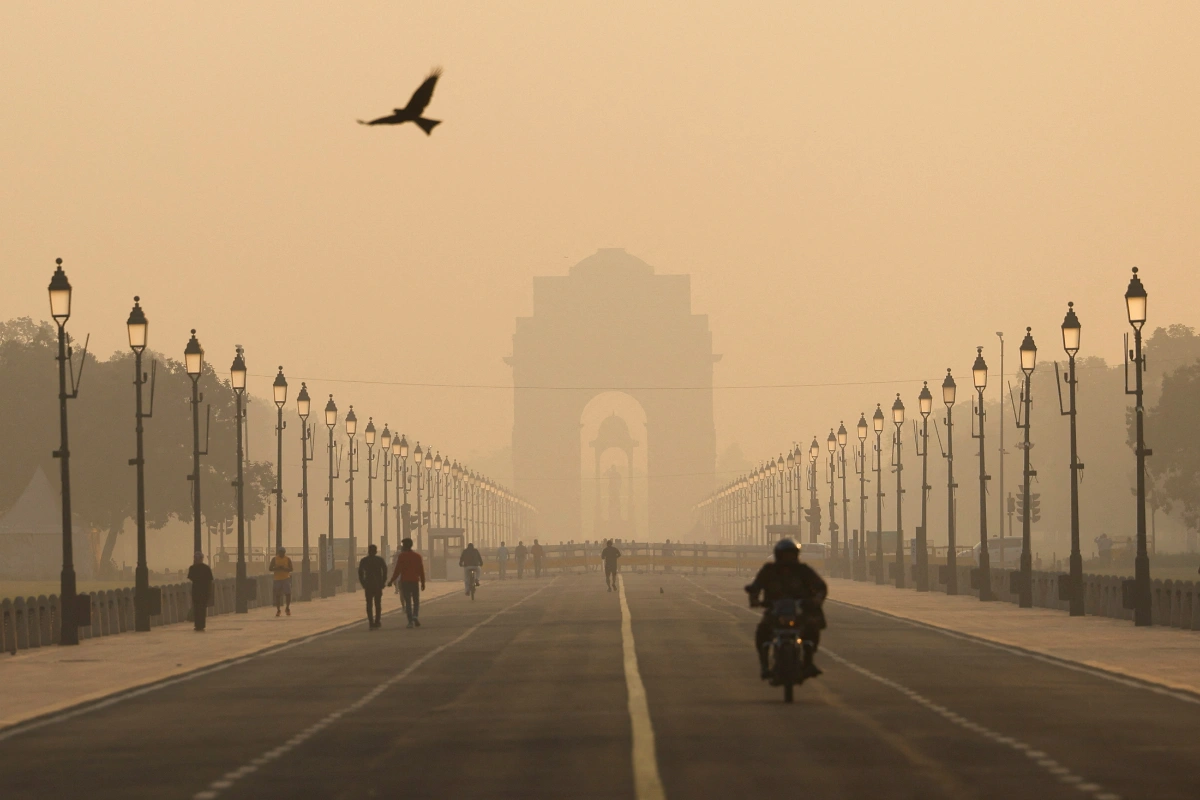
Delhi Air Quality Index: On Thursday morning, the Air Quality Index (AQI) dropped into the “Very Poor” area in Delhi, which was bad for people’s health. The India Meteorological Department (IMD) has issued cold wave warnings, which means that it will be cold in the mornings and the weather will be bad. This is just another problem for the city.
The AQI Hits Worrying Levels
Readings taken in the morning showed that the PM2.5 and PM10 levels were much higher than safe levels. These were mainly caused by chemicals from cars, trucks, and buses, factories, and stubble burning in nearby states. Meteorologists said that pollution have been kept close to the ground by calm winds and temperature inversion, which stops them from spreading naturally. Residents said that it was harder to see and that there was a lot of smog over the city, especially in places that were low to the ground.
DON'T MISS
Health Dangers and Safety Measures
Warnings have been sent out by the government telling people, especially kids, seniors, and anyone with breathing problems, to stay inside if they can. It’s a good idea to wear N95 masks when you go outside, keep windows closed, and use air filters inside. As the air quality gets worse, hospitals in the city have already seen more cases of coughing, asthma, and other breathing problems.
A Cold Wave Warning Increases Worries
Along with the worsening AQI, the IMD has predicted a cold wave across Delhi and areas close, with the lowest temperatures expected to be between 5 and 7 °C. People have been told to wear warm clothes, avoid doing strenuous activities outside in the morning, and make sure that groups that are weak or sick are properly protected. The cold wave raises the risk of heart and breathing problems when combined with high pollution.
What Will Happen Over the Next Few Days
Unless the wind changes and the pollutants spread out more, experts say that the air quality may stay bad for a few days. The cold snap and the lack of moving air are likely to keep health risks going for a longer time. It’s a good idea for people to check on the AQI regularly, pay attention to official weather reports, and take steps to avoid being exposed.
Steps by the Community and Government
Local officials are stepping up efforts to control pollution by monitoring emissions from factories, controlling dust from building sites, and encouraging people to use public transportation. Schools and businesses have been told to stay alert and think about making changes to activities that take place outside during times of high pollution.