

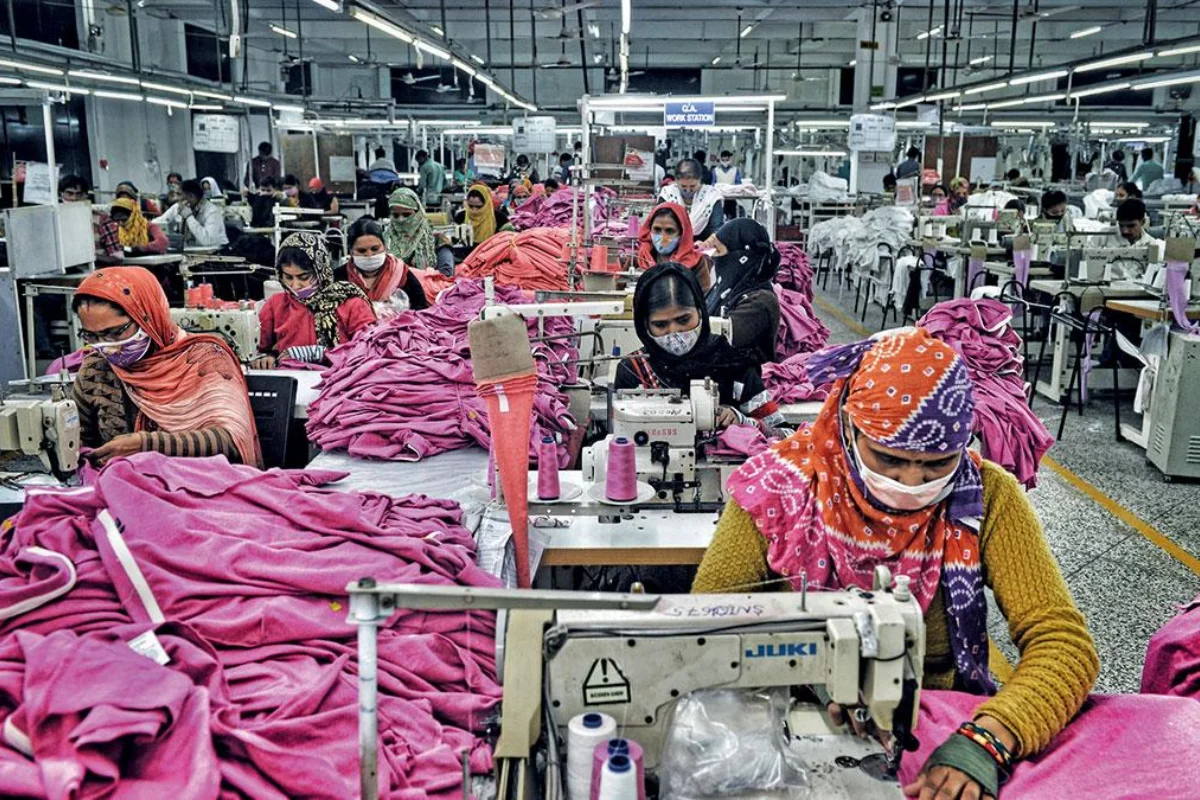
New Labour Laws: The New Labour Laws of India, which were implemented in November 2025, mark a transformative moment for the country’s workplace, especially those in the textile sector and migrant workers. These reforms represent a commitment to the vision of Atmanirbhar Bharat (Self-Reliant India). The new labour reforms ensure fair wages, strengthen worker protections, and extend a series of welfare benefits to millions who were previously left out of formal systems.
A New Era for Textile Workers With New Labour Reforms
India’s textile industry is one of the country’s largest employers, with millions of workers, many of whom are employed in informal settings or migrants. The New Labour Reforms guarantee equal pay for equal work, ending all kinds of discriminations based on contract type, region, or origin. Whether a worker is self-migrated, directly hired, or employed through a contractor, he or she would now have the legal right to the same benefits and wages as local workers.
Welfare for Migrant Workers
For decades, migrant workers have been facing exploitation while being denied basic access to social security. With the new labour laws in place, they would now be protected. Moreover, they would now be eligible to claim wages and benefits for up to three years, which would make it easier and faster to recover unpaid dues and resolve disputes.
Furthermore, the portability of public distribution system (PDS) benefits means that they would now be able to access essential food supplies wherever they work, improving their quality of life and reducing their vulnerability.
The new labour laws of India are a landmark achievement, setting new benchmarks for worker dignity and welfare. By extending welfare benefits, ensuring equal pay, and providing stronger protections for migrants and textile workers, the Indian government is paving the way for a more inclusive and self-reliant India.