


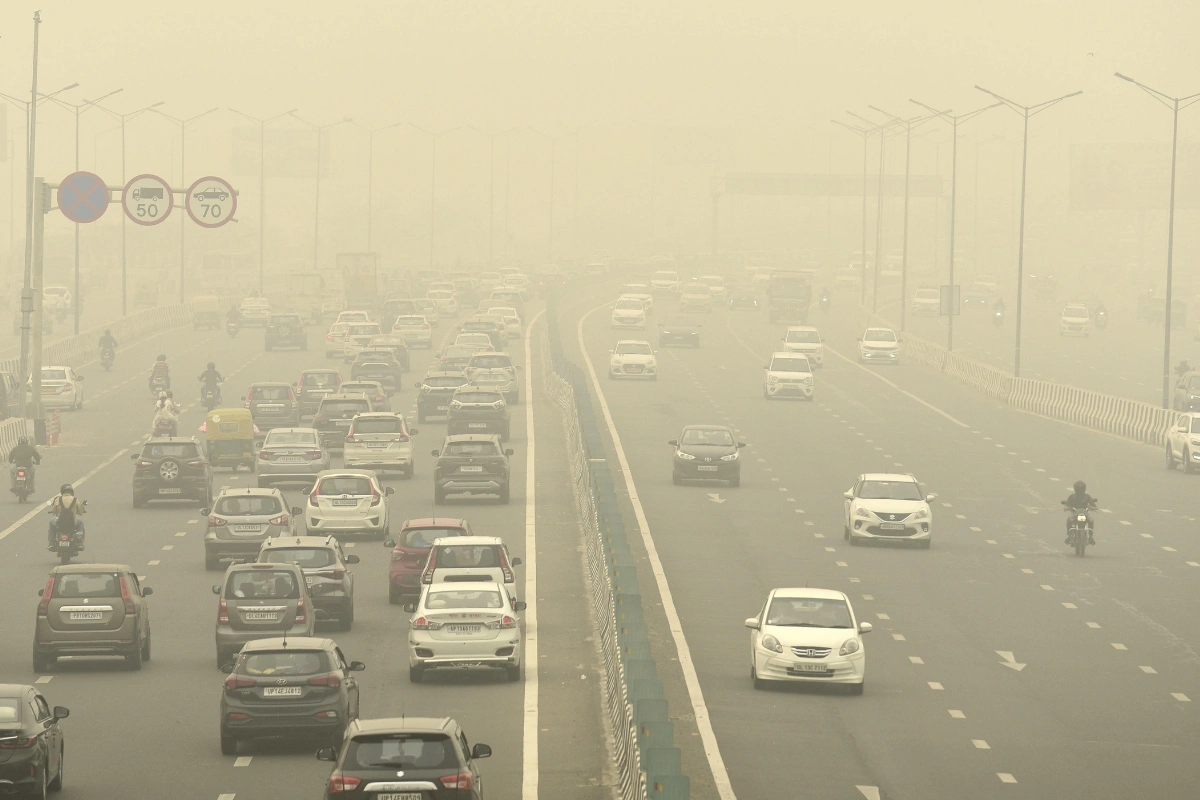
Delhi Pollution: Delhi woke up under thick smog as air quality slipped into the inferior category, making breathing difficult for millions. With rising pollution and reduced visibility, health problems are increasing, especially for children, the elderly, and people with respiratory issues.
Why Is Delhi’s Air Quality Getting Worse?
Delhi’s pollution is rising due to low wind speed and cold weather that trap pollutants near the ground. Vehicle emissions, industrial smoke, construction dust, and stubble burning together create thick smog and push air quality to dangerous levels.
DON'T MISS
Impact of Very Poor Air Quality on Health
When air quality remains very poor, it can have serious health effects. People may cough, feel throat irritation, and experience breathlessness, headaches, and fatigue. Long-term exposure can worsen asthma, bronchitis, heart conditions, and other lung diseases. Children and senior citizens are especially vulnerable because their immune systems are more sensitive to polluted air.
Visibility Drops, Daily Life Gets Affected
The thick smog has reduced visibility in several parts of the city. This affects road traffic, increases the risk of accidents, and disrupts daily commuting. Morning walks and outdoor activities have become unsafe. Residents are now forced to stay indoors as much as possible.
How to Breathe Safe in Delhi’s Polluted Air?
Taking small but effective precautions from delhi pollution can help reduce the health impact of pollution.
- Wearing a good-quality mask when going outside can filter harmful particles. It’s best to stay indoors during peak pollution hours, especially in the early mornings and late evenings.
- Using air purifiers at home, keeping windows closed, and ensuring good indoor air quality can also make a difference.
- Drinking plenty of water and eating foods high in antioxidants may help the body combat pollution-related stress.
- People with existing health conditions should avoid exercising outdoors and see a doctor if symptoms worsen.