


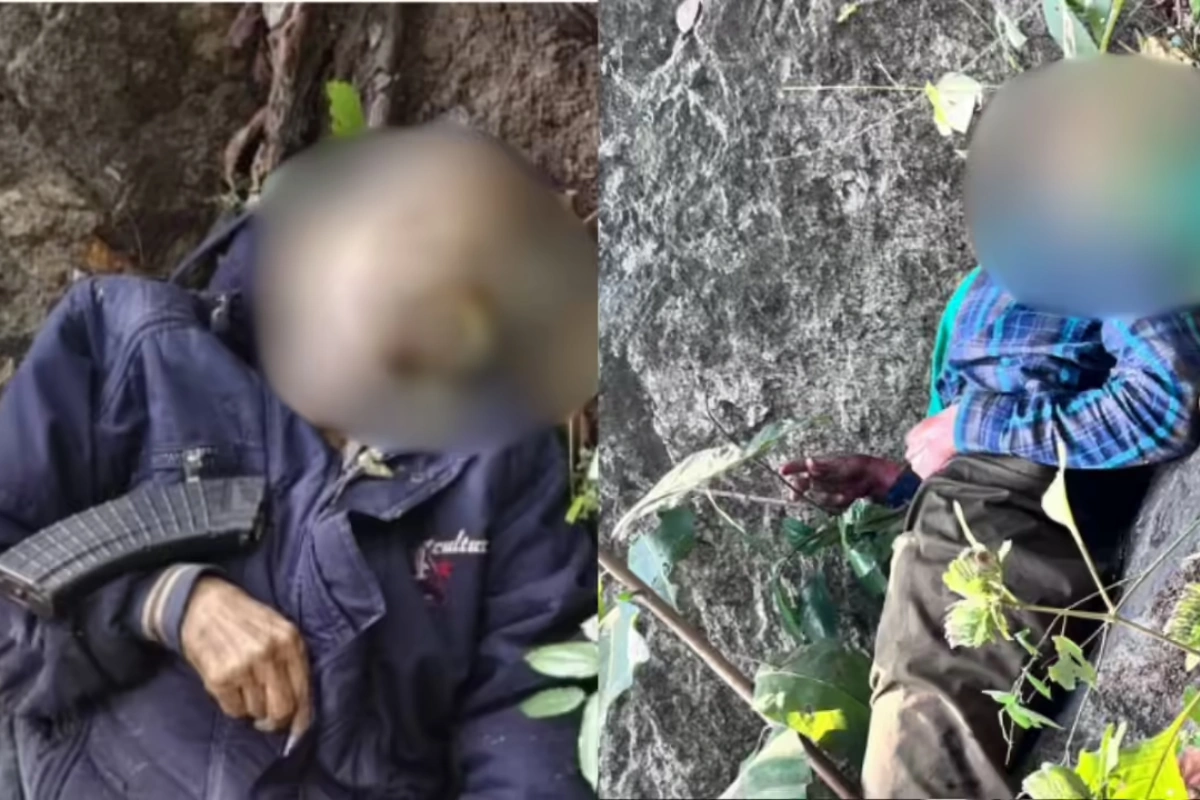
Ganesh Uike: A major success has been achieved in the Modi government’s long-running war against the Maoist insurgency. One of the top Maoist leaders, Ganesh Uike, was shot and killed on December 25, 2025, during a joint security operation in the Odisha district of Kandhamal.Uike was a member of the CPI (Maoist) Central Committee and the de facto leader of Maoist activities in Odisha. He also went by the aliases Pakka Hanumantu, Rajesh Tiwari, Chamru, and Rupa. He was one of the most sought-after Maoist leaders in India, with a bounty of more than ₹1.1 crore.
DON'T MISS
Details of the Kandhamal Operation
The encounter took place in the Chakapad and Rambha forest ranges, following actionable intelligence on Uike’s location. Security forces involved in the operation included:
- Odisha Police Special Operations Group (SOG)
- Central Reserve Police Force (CRPF)
- Border Security Force (BSF)
Several Maoist cadres were neutralized, and high-powered weapons such as INSAS and .303 rifles were recovered, underscoring the operational strength of the Maoist group.
Impact on Maoist Leadership
Uike’s death is a major blow to the Maoist command structure:
- It weakens the morale and planning capability of insurgent cadres.
- Disrupts coordination and recruitment in Odisha, a key Maoist-affected state.
- Reflects the success of intelligence-led operations in dismantling senior Maoist leadership.
Is Modi Government’s Anti-Maoist Strategy Working?
Recent developments indicate progress on multiple fronts:
- Decimation of Leadership:
The consistent elimination of senior cadres has weakened the Maoist leadership network.
- Surrenders and Reduced Activity:
Many Maoist members are surrendering under pressure, and operational hotspots are shrinking.
- Strong Policy Push:
The government has set clear targets to eliminate Left-Wing Extremism (LWE), combining security action with strategic coordination across states.