


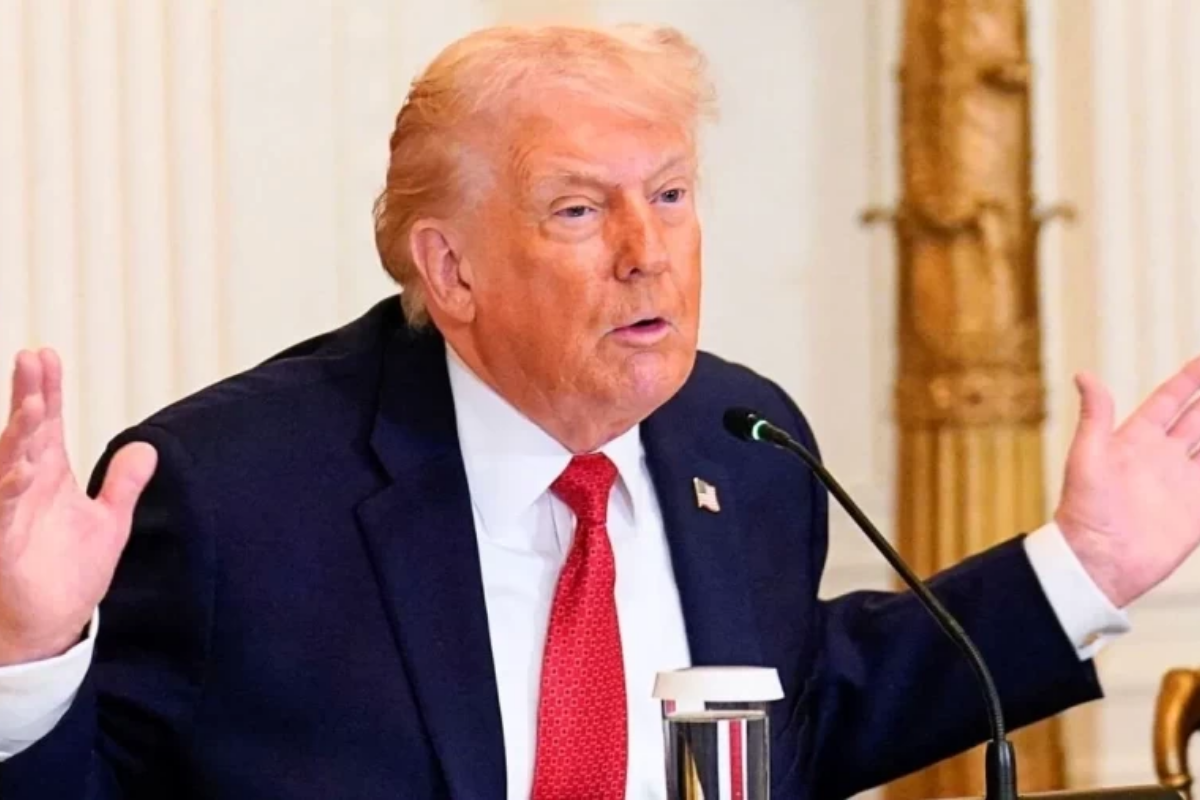
Greenland Acquisition Dispute: Trump’s Greenland Push Returns to Global Spotlight. The long-running Greenland acquisition dispute has resurfaced after former US President Donald Trump appeared to soften his earlier hardline stance involving tariffs and even hints of military pressure. Once dismissed as rhetoric, Trump’s renewed comments — and subsequent walk-backs — have reignited debate over US intentions toward the strategically vital Arctic territory controlled by Denmark.
The apparent U-turn has left allies and analysts questioning what prompted the shift.
From Aggressive Posturing to Strategic Silence
During his earlier remarks on Greenland, Trump had floated aggressive economic measures, including tariffs on Danish goods, and made controversial comments that some interpreted as veiled military threats. These statements drew sharp criticism from European leaders and NATO partners, who stressed Greenland’s sovereignty and Denmark’s status as a key US ally.
DON'T MISS
More recently, Trump’s tone has noticeably changed. References to tariffs and force have faded, replaced by vague language about “strategic interests” and “mutual benefit,” suggesting a recalibration rather than outright abandonment of the idea.
Why Did Trump Reverse Course?
Several factors explain the stunning shift.
- First, diplomatic backlash played a role. Denmark and the European Union made it clear that economic coercion would strain transatlantic ties.
- Second, military experts warned that any force-based approach would undermine US credibility in the Arctic, where cooperation is essential amid growing Russian and Chinese activity.
Domestic considerations also matter. Trade wars and foreign military commitments remain politically sensitive, making confrontational policies harder to justify without clear gains.
The Arctic’s Strategic Importance Remains Unchanged
Despite the softened rhetoric, Greenland’s value has not diminished. Rich in rare earth minerals and located along critical Arctic shipping routes, the island remains central to US security planning. Washington continues to maintain military installations there, underscoring long-term strategic interest without overt acquisition attempts.
This quieter approach reflects a preference for influence through diplomacy rather than disruption.
What This Means for US–Europe Relations
Trump’s flip-flop highlights the limits of unilateral pressure when dealing with allies. While the idea of acquiring Greenland captured headlines, the retreat from tariffs and military language suggests recognition that cooperation, not confrontation, is the more viable path.