

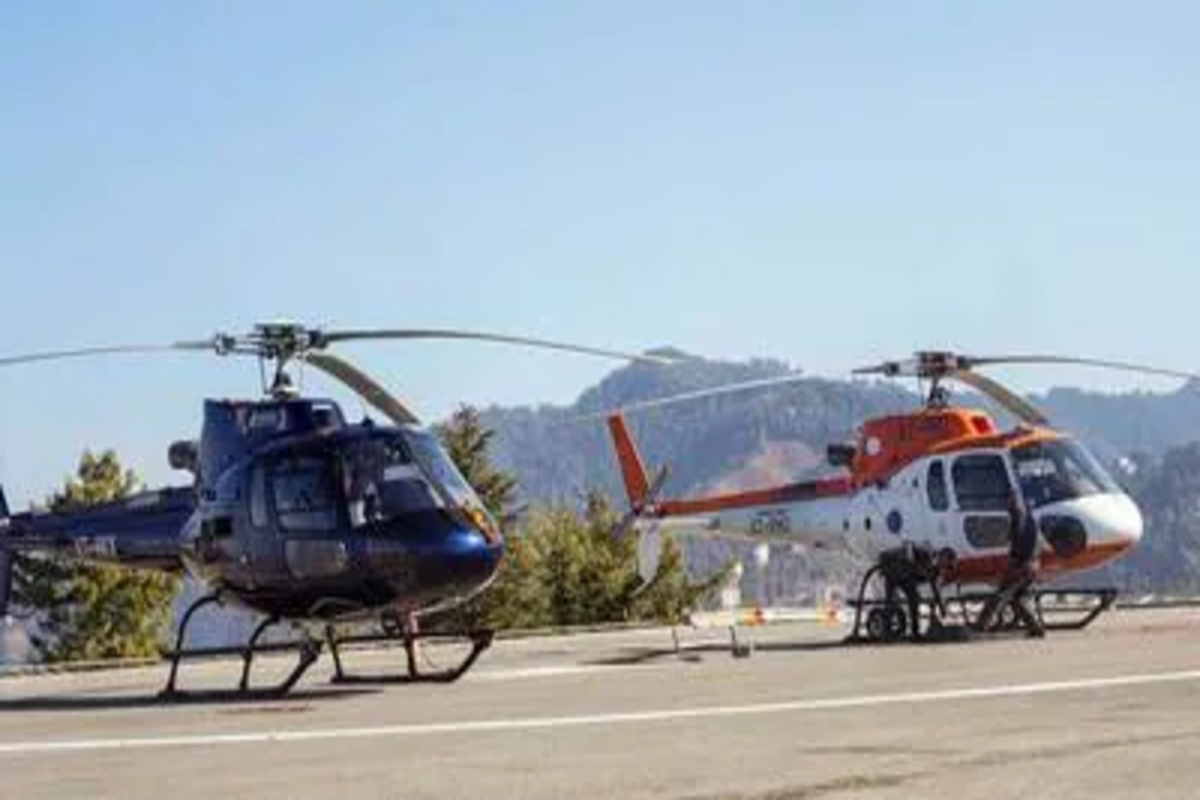
The Uttarakhand Civil Aviation Development Authority has proposed developing helipads at the entrances of key mountain tunnels across the state to improve disaster response capabilities, officials said on Tuesday. Helicopter operations from these strategically located sites would allow faster delivery of relief and evacuation services, especially when road access is blocked or delays occur due to challenging terrain and weather conditions.
Officials underscored that mountainous regions often face natural hazards such as landslides, heavy snowfall and flash floods that can quickly cut off communities from ground transport. In such scenarios, helicopters have proved to be the most effective means of reaching stranded residents and delivering medical aid, supplies and rescue teams.
DON'T MISS
Strategic nodes near tunnel portals: Uttarakhand
Tunnel portal locations were selected for helipad placement because these points offer relatively accessible terrain and connectivity along major mountain routes. Many of Uttarakhand’s road and rail infrastructure projects, including the ambitious Rishikesh–Karnaprayag Railway Project executed by Rail Vikas Nigam Limited, traverse rugged landscapes with long stretches of underground tunnels, making nearby helipads valuable for coordinated emergency operations.
Disaster management and aviation linkages
Experts say that enhanced aviation infrastructure complements ongoing disaster mitigation efforts in Uttarakhand, where unpredictable weather and fragile geology frequently lead to disruptions. The move aligns with other state initiatives aimed at strengthening early-warning systems, specialized rescue teams and rapid response mechanisms for landslides, floods and other emergencies.
Implementation and pilot phase
Officials noted that plans include phased development of the helipads, beginning with locations along major tunnels currently under construction or recently completed. The authorities said that detailed technical assessments, site surveys and clearances will precede construction, with a focus on ensuring operational safety and integration with existing aviation protocols.
The proposal is seen as a proactive step toward building resilient infrastructure in a Himalayan state where rapid and efficient emergency response can make a critical difference in saving lives and reducing the impact of natural disasters. If implemented effectively, the helipad network could serve as an essential component of Uttarakhand’s disaster management framework in the years ahead.