

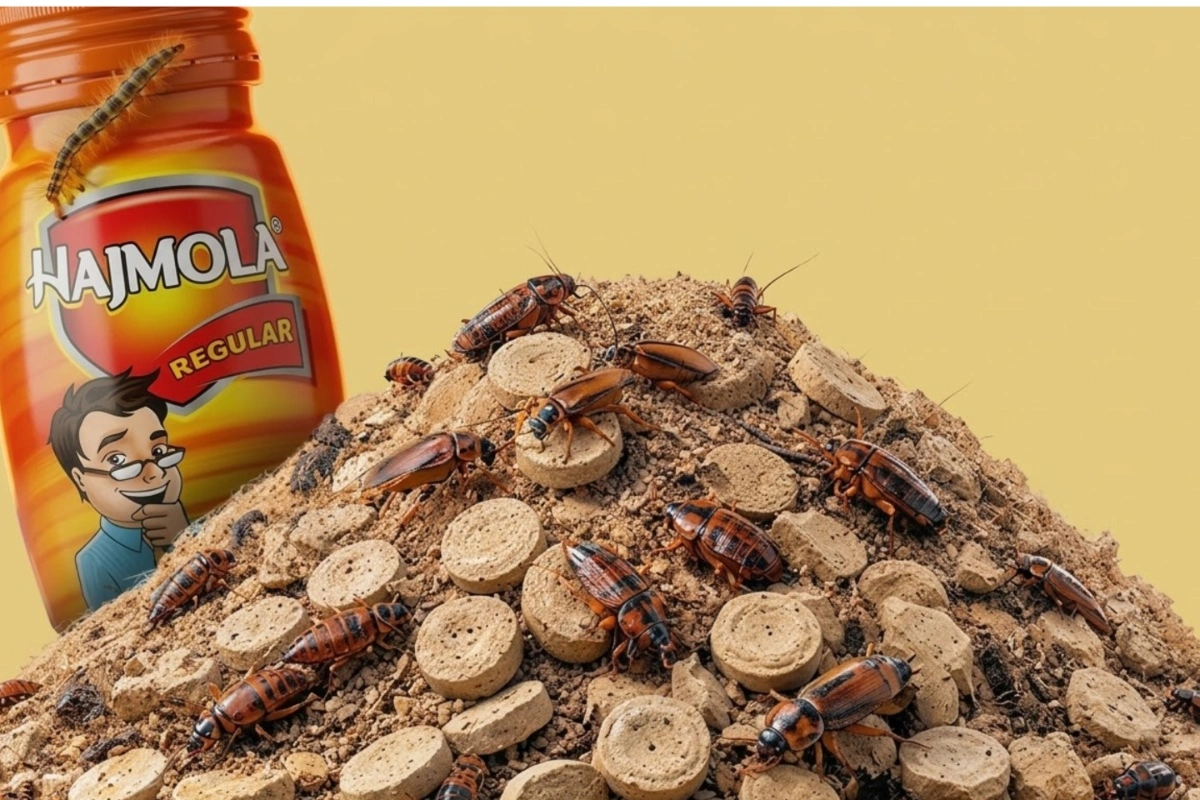
Dabur Hajmola is more than just an Ayurvedic candy. For many Indians, it is a taste of childhood memories. Its tangy, spicy flavour, made with ginger, cumin, black pepper and black salt, has been a part of homes for generations. Kids used to carry Rs 1 sachets, sharing some with friends, while adults and elderly people often enjoyed it after meals or social gatherings for taste and digestion.
Because of its nostalgic value, many of us consider Hajmola a safe, everyday candy. But is it really free from hidden risks? That’s why a Dabur Hajmola Test was conducted to uncover the truth about its safety and hygiene.
Why Physical Contamination Is The Biggest Risk
Hajmola is not a nutritionally dense food. It does not have significant calories, protein, fats, or carbohydrates. So, testing its nutrition scientifically is less meaningful. Instead, the main concern is physical contamination, which can affect hygiene and safety.
Filth analysis is the method used to detect:
- Insect fragments
- Animal hair
- Foreign particles
- Any visible matter that indicates hygiene issues
The test is divided into two types:
- Heavy Filth Analysis – Detects larger, often visible particles such as:
- Sand
- Soil
- Stones
- Glass or metal fragments
- Sand
- Light Filth Analysis – Detects extremely small particles that require a microscope, including:
- Broken insect body parts, wings, legs, antenna
- Animal hairs
- Tiny debris from spices, grains or herbs
- Broken insect body parts, wings, legs, antenna
These contaminants usually enter during harvesting, storage or processing of plant-based raw materials and can go unnoticed in routine checks.
DON'T MISS
What The Dabur Hajmola Test Found
Dabur Hajmola Test was first done at Eurofins India for heavy filth, while light filth analysis required specialised lab methods. Here’s what the test revealed in a 100-gram sample:
- Heavy filth: No sand, soil, glass or metal particles detected
- Light filth: 1,140 counts detected
- 1,137 counts were insect fragments (broken wings, legs or antenna)
- 3 counts were animal hair
- 1,137 counts were insect fragments (broken wings, legs or antenna)
These results are based on official lab reports, using AOAC official method 970.66. This method is internationally recognised for microscopic determination and referenced by regulatory bodies, including the FDA. The testing was conducted in an ISO 17025-accredited lab, ensuring internationally validated quality standards and procedures.