

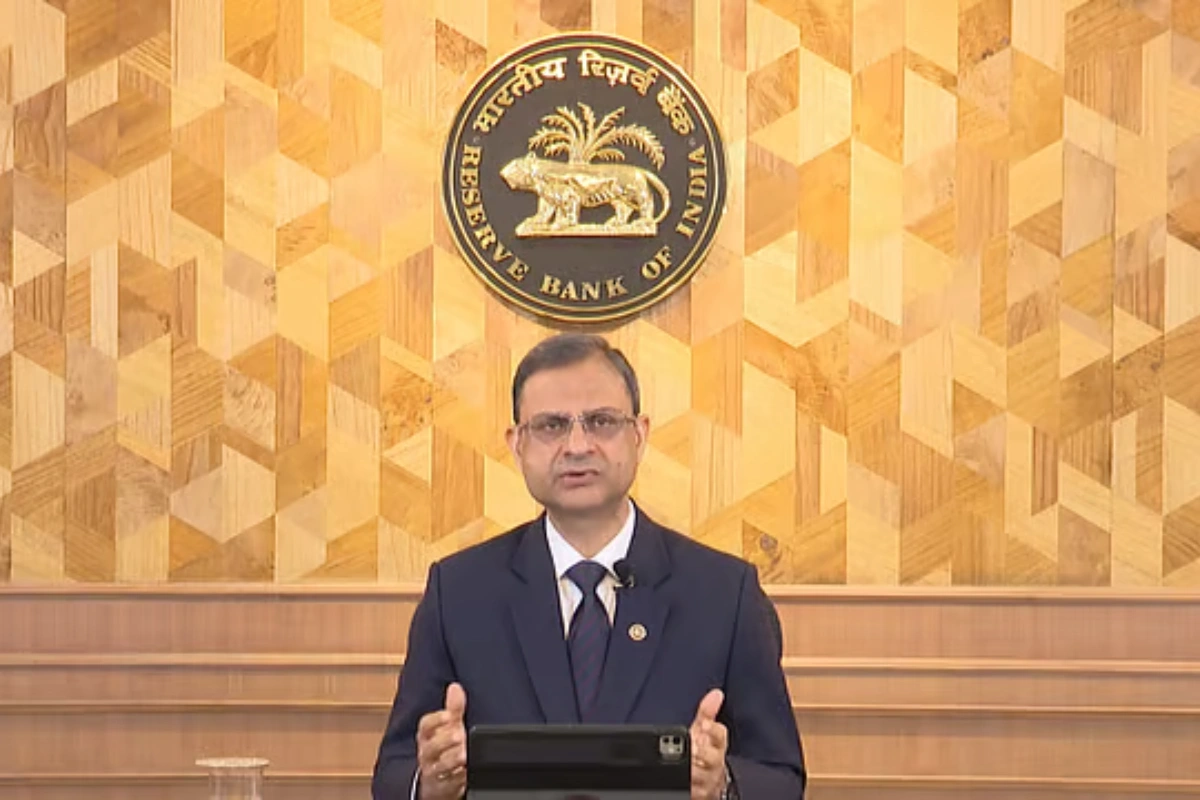
RBI MPC Meeting: The Reserve Bank of India’s (RBI) Monetary Policy Committee (MPC) decided to maintain the repo rate at its current level despite the economy facing a slew of challenges, including rising international crude oil prices, geopolitical tensions and pressure on the rupee.
By leaving rates unchanged, the central bank is indicating that it wants to promote economic growth but remain watchful of inflation risks. A rate hike could have made borrowing more expensive, while a rate cut might have added pressure on inflation and the currency.
What is meant by Repo Rate?
Repo rate is the rate of interest at which the RBI lends money to the commercial banks.
DON'T MISS
When the repo rate goes up:
- Loans are more expensive.
- EMIs may go up.
- Spending and borrowing tend to ease.
What this means for home loan borrowers
For those having floating-rate home loans, the RBI’s decision is good news.
If the repo rate remains constant:
- Monthly EMIs are not likely to go up immediately.
- New home loan rates may be broadly unchanged.
- Borrowers save from an extra repayment burden.
Effect on Personal Loans and Auto Loans
Consumers planning to purchase:
- Personal loans
- Auto loans
- Education loans are also likely to benefit from stable borrowing costs.
What about the FD of the common man?
It means deposit rates can be expected to stay largely the same. Banks may keep offering attractive fixed-deposit returns as they compete for deposits. Current FD holders will continue to get the rates locked in at the time of investment.
Businesses don’t like to see interest rates changing all the time. If rates are stable, it is easier for businesses to plan their finances.