


India’s higher education story just got a major boost. In the newly released QS World University Rankings 2027, the country placed 52 institutions on the global list, cementing its position as the world’s fifth most-represented nation in higher education, trailing only the United States, the United Kingdom, China, and Germany.
IIT Delhi Leads India’s Charge
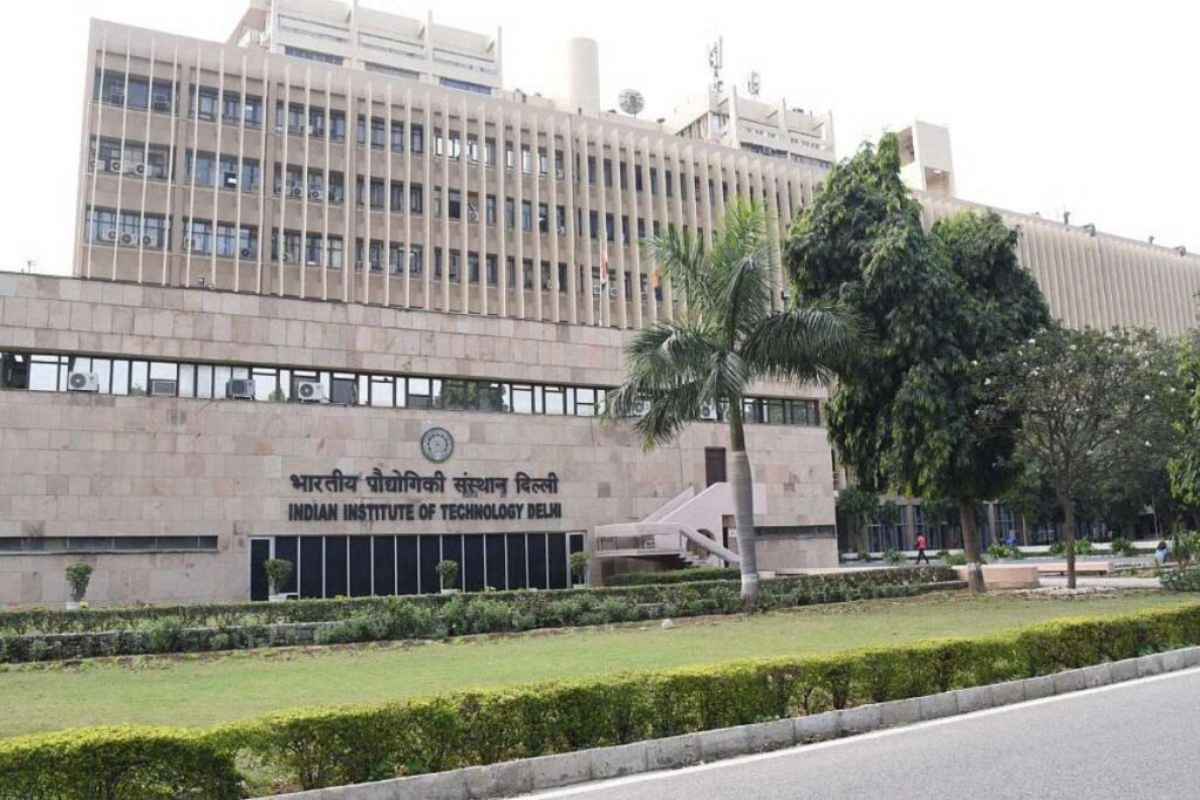
Among the standout performers, IIT Delhi once again emerged as India’s top-ranked institution, moving up to 118th place globally from 123rd last year. This matches the best-ever position achieved by any Indian university in the ranking’s history. Close behind are IIT Bombay at 134th and IIT Madras at 170th, making these three the only Indian institutions to break into the global top 200 this year.
Other public institutions also made their mark. IIT Kharagpur and the Indian Institute of Science, Bengaluru, both advanced this year, while the University of Delhi held its position as India’s top-ranked non-technical university.
DON'T MISS
Private Universities Are the Real Growth Story
While IITs continue to dominate headlines, the sharpest gains this year came from private institutions, many of which posted their best-ever rankings. BITS Pilani jumped an impressive 93 places, while Vellore Institute of Technology (VIT) recorded the single largest leap among all Indian universities, climbing 94 spots. Chandigarh University and Shoolini University also delivered standout performances, with Shoolini rising 62 places in just one year on the strength of its research output.
In total, 24 private universities now feature in the QS World Rankings 2027, a sharp rise from just a handful a decade ago. This shift shows that India’s ranking success is no longer limited to a handful of elite government-run institutes.
What’s Fuelling the Growth?
Several structural factors explain this surge. Universities are increasingly being evaluated not just on teaching quality but on research output, citations, international collaborations, employer reputation, and graduate employability. Private universities have responded by investing heavily in research infrastructure, faculty recruitment, and global partnerships, allowing them to close the gap with older public institutions.
India’s overall representation has grown by 271% since 2015, when the country had just 11 universities in the list. That expansion, paired with rising research output and global visibility, signals a broader transformation of the country’s academic ecosystem.
The Gap That Still Remains
Despite this progress, India still has ground to cover. Only three institutions feature in the global top 200, showing the distance that remains between India’s leading universities and the world’s most established academic powerhouses. Still, the widening base of high-performing institutions, especially in the private sector, suggests India’s higher education rise is becoming more broad-based and sustainable.