

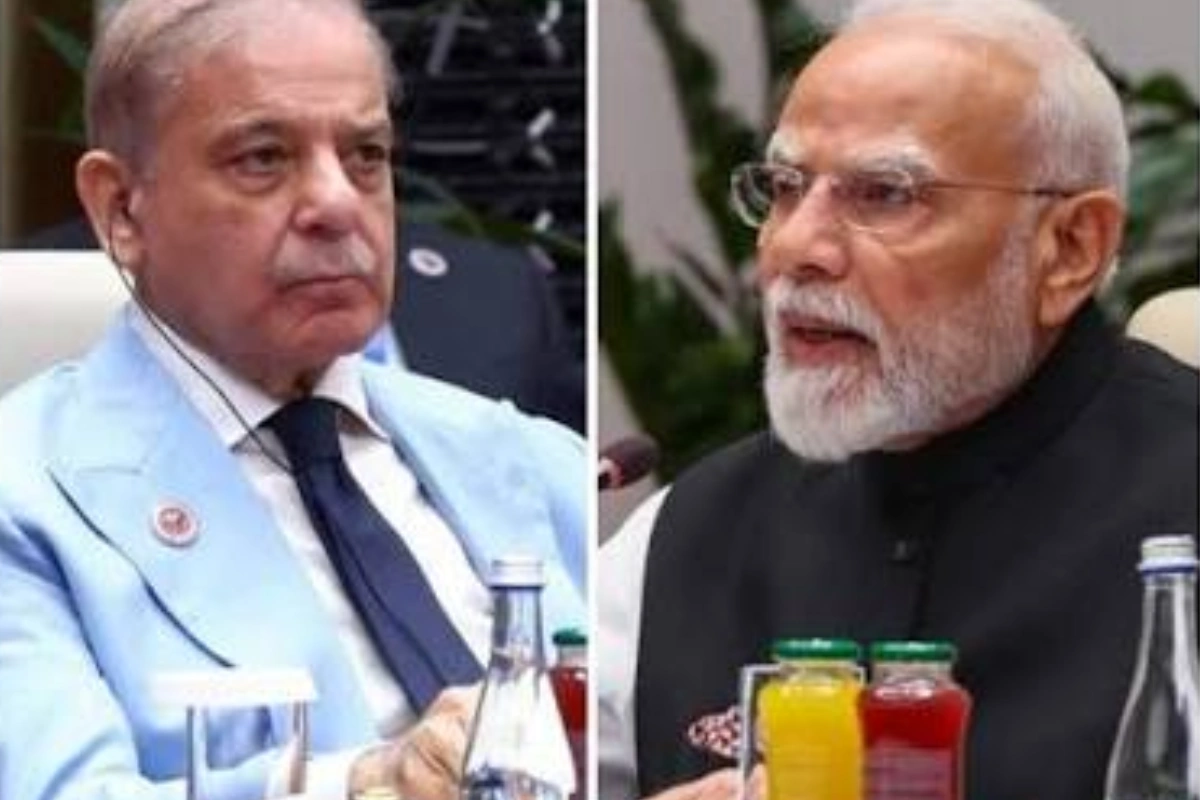
SCO Summit: Pakistan renewed its accusation of “water weaponisation” against India. Addressing the summit shortly after Pakistan assumed the SCO’s Council of Heads of State chairmanship for 2026–27, Sharif warned that water “must never be weaponised” and “must never be used as an instrument of coercion nor can it ever be exploited for political leverage.” He described the region’s shared water treaties as binding international commitments that cannot be discarded for political convenience and insisted they must be honoured in full.
DON'T MISS
Background: The IWT Standoff
India placed the Indus Waters Treaty in abeyance after 26 people were killed in an April 2025 attack in Jammu and Kashmir, accusing Pakistan of involvement — a charge Islamabad denies. Intense fighting followed in May before a US-brokered ceasefire. Since then, Pakistan has repeatedly raised the issue at international forums, including the UN and a glaciers conference in Tajikistan, framing India’s move as unlawful “water weaponisation.”
India’s Firm Stand
India has consistently rejected Pakistan’s framing. India’s Permanent Representative to the UN, P. Harish, has said the treaty will remain in abeyance until Pakistan ends its support for terrorism, and that Islamabad must uphold the sanctity of human life before raising treaty concerns. India has also rejected a Permanent Court of Arbitration ruling that set aside its abeyance decision, calling the tribunal “illegally constituted” and without jurisdiction.
Diplomatic Deadlock Continues
SCO Summit: With both nations entrenched — Pakistan pushing for restoration through global forums like the SCO, and India tying any resumption to counter-terrorism guarantees — the Indus Waters Treaty dispute shows little prospect of resolution in the near term, leaving one of South Asia’s oldest water-sharing arrangements in limbo.