


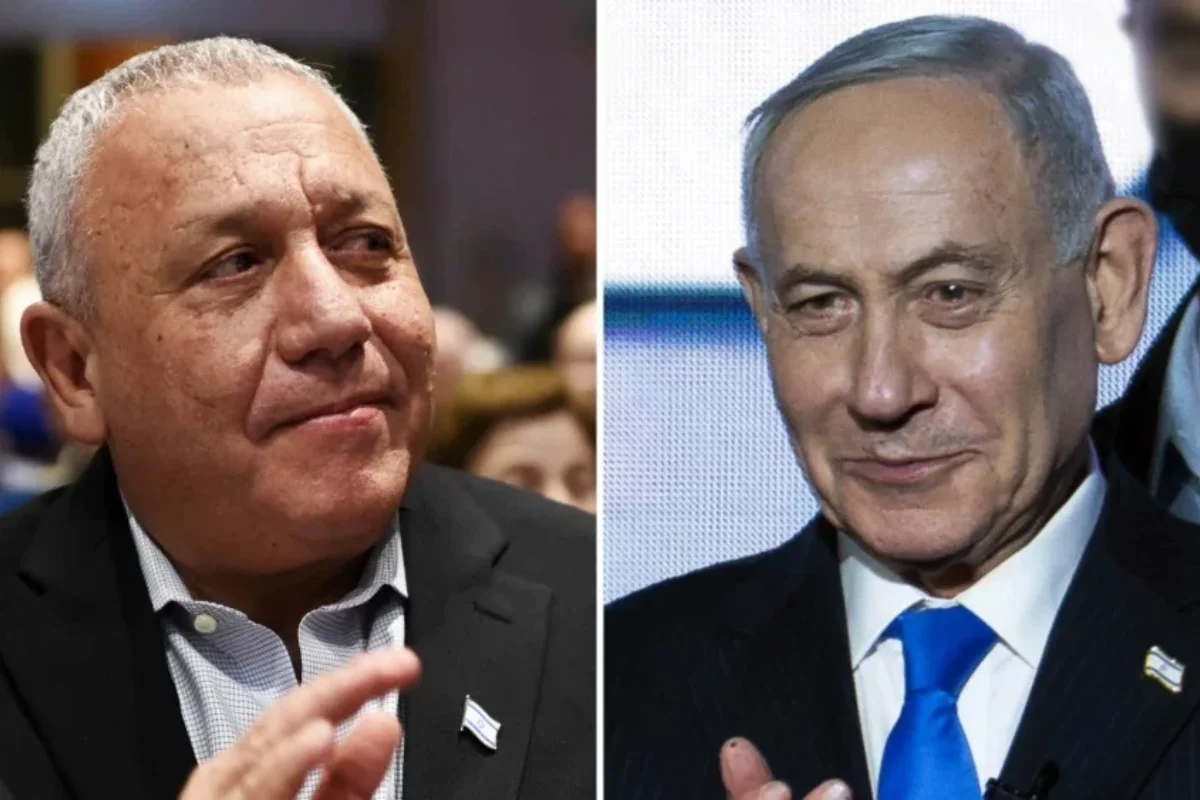
Benjamin Netanyahu: Israel goes to the polls on October 27. A recent poll showed Eisenkot leading Netanyahu 43% to 38% on suitability for office, while Netanyahu’s bloc remained short of a majority. Yet another Channel 13 survey gave Netanyahu’s right-wing bloc 54 seats against 52 for the Jewish opposition parties. Coalition arithmetic, not headline popularity, will decide who governs.
Continuity in the Geopolitical Contest
Eisenkot is no dove. He has touted a “Dahiyeh doctrine” of disproportionate force, and an Eisenkot victory might not soften Israel’s hawkish regional policy. Expect continuity on Gaza, Lebanon and Iran. The likelier changes are in style and process. He has pledged to protect judicial independence, the rule of law, minority rights and a free press. He could also try to repair strained ties with Washington and European capitals. Rivals in the region, including Iran and its proxies, should not expect a strategic softening.
DON'T MISS
What It Means for India
India-Israel defence cooperation rests on institutions rather than on one leader. The partnership has evolved from a buyer-seller relationship into joint research, development and manufacturing. Israel supplies Heron and Searcher drones, Phalcon AWACS and SPYDER air defence systems. During Narendra Modi‘s February visit, the two sides said they would jointly produce weapons and conclude a free trade agreement soon. Israeli firms already work with Indian partners, such as BEL’s joint venture with IAI for MRSAM lifecycle support. A new prime minister is unlikely to unwind this. Both countries gain from technology transfer, “Make in India” production and shared concerns about threats from the air.
Risks to Watch
The main risk is delay rather than reversal. A new coalition, a new defence minister and a fresh review of priorities could slow deal timelines and the framework agreement’s rollout. If Israel’s Western ties improve, defence exports may also be reprioritised. India will keep balancing its Gulf and Iran interests, so it may stay quiet on Israeli policy while deepening industrial links.