


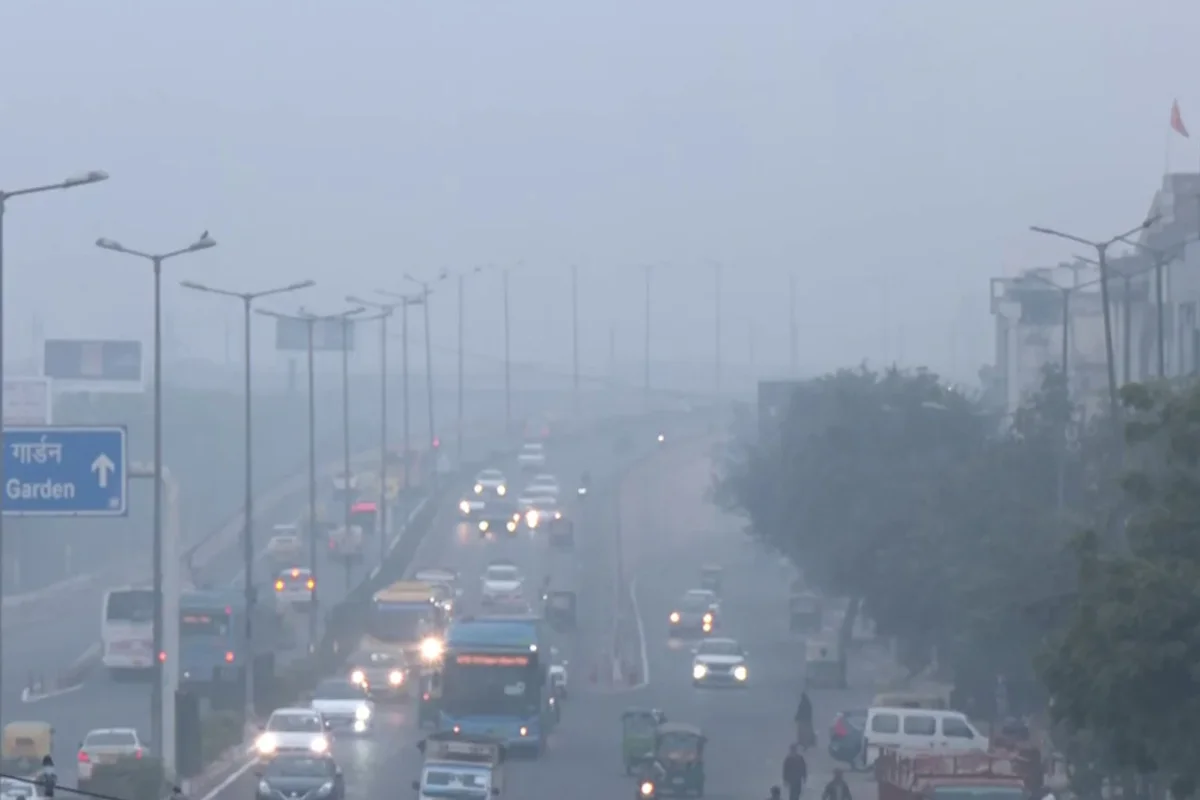
Delhi Pollution: Delhi is again struggling to breathe. As winter sets in, a thick layer of smog has settled over the capital, and doctors say pollution levels are now many times higher than what the human body can safely handle. Some readings are being described as up to 80 times the recommended exposure level.
DON'T MISS
Why Is Delhi’s Air So Toxic?
Every year, the same causes combine: low wind speed, falling temperatures, vehicle emissions, construction dust, stubble burning in neighbouring states and festival firecrackers. Cold air traps pollutants close to the ground, so the smog hangs over the city for days.
The main danger is PM2.5, microscopic particles small enough to enter the lungs and bloodstream. The WHO recommends a 24-hour average of just 15 µg/m³, and Delhi’s levels often exceed this many times over.
Health Risks Doctors Are Flagging
Hospitals report more patients with cough, breathlessness, burning eyes, throat irritation, and headaches. Doctors warn that long exposure can worsen asthma, bronchitis and COPD, and raise the risk of heart attack and stroke. Children, pregnant women, senior citizens and people with existing conditions face the greatest risk.
What Should Delhiites Do?
- Check AQI daily on CPCB or other trusted apps before going out.
- Limit outdoor activity, especially morning walks and exercise when AQI is “very poor” or “severe”.
- Wear an N95 or FFP2 mask. Cloth and surgical masks offer little protection against PM2.5.
- Keep windows closed on high-pollution days and use an air purifier indoors if possible.
- Stay hydrated and eat antioxidant-rich foods such as citrus fruits, nuts and leafy greens.
- Avoid adding to pollution. Use public transport, avoid burning waste and skip firecrackers.
- See a doctor if you have persistent cough, chest tightness, wheezing or breathing difficulty.