


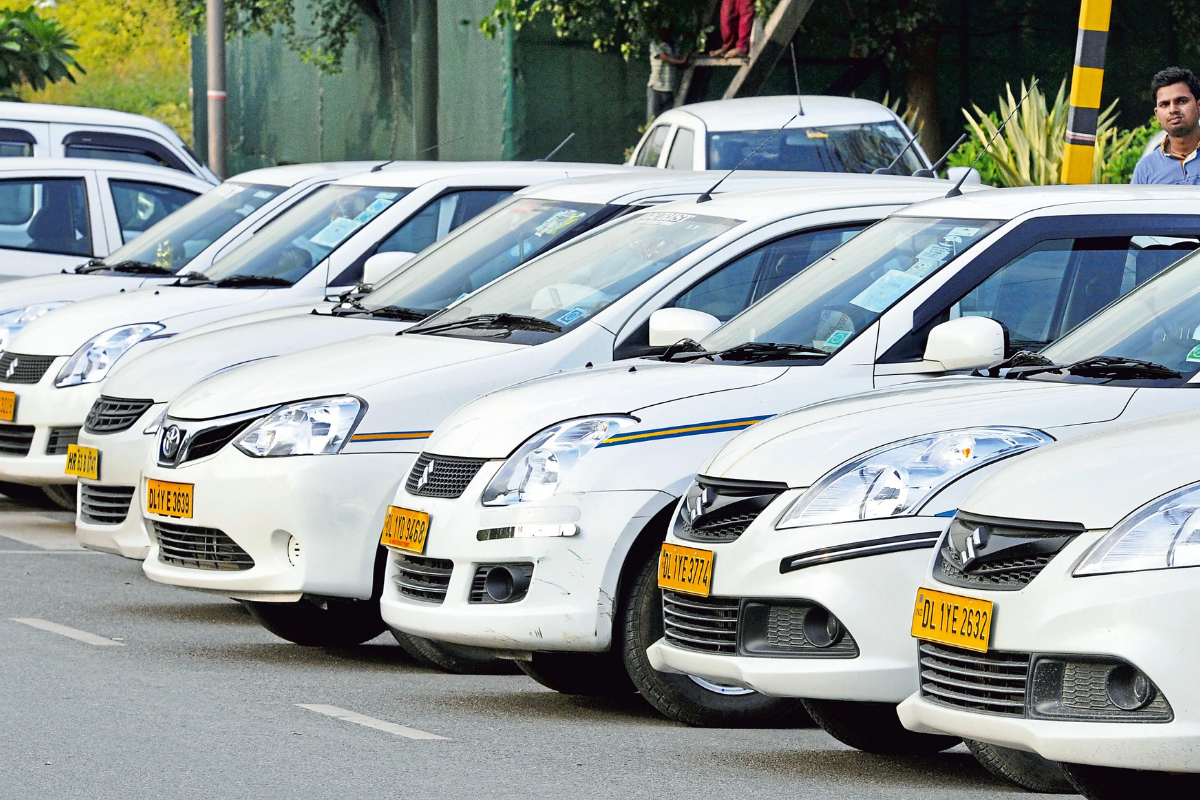
The ride-hailing system in India has started to develop into its next operational stage. The government has launched Bharat Taxi as its official ride-hailing service, competing with existing private platforms such as Ola and Uber.
A Cooperative Model Enters the Ride-Hailing Market
Bharat Taxi follows a cooperative ownership model, where drivers are not just service providers but also stakeholders, unlike private platforms that rely on commission-based systems.
How Does Bharat Taxi Stand Apart?
1. Driver-Centric by Design
The platform’s main operational goal is to enhance driver well-being. The drivers experience greater income stability because the system does not deduct surge-based commissions and offers a consistent expense structure, creating a sense of control over their finances.
DON'T MISS
2. Transparent and Affordable Pricing
By removing commission layers, fares are expected to be more affordable for passengers. The pricing model focuses on transparency, aiming to eliminate unpredictable surge pricing that often frustrates users on existing platforms.
3. Safety and Support Infrastructure
The platform provides essential safety functions through its ride tracking system, driver verification process, and dedicated support services.
4. Large-Scale Entry from Day One
The service starts operations with a large fleet of active vehicles, including cars, autos, and bike taxis. The company launches its service with extensive vehicle availability, enabling faster customer service and expanding its operational network reach.
Ground-Level Impact: What It Means for Drivers and Riders
For Drivers
- Greater control over earnings
- No high commission deductions
- Cooperative ownership benefits
- Flexibility to work across platforms
For Riders
- More predictable fares
- Lower ride costs compared to commission-based platforms
- Improved safety mechanisms
- Multiple mobility options within a single app
What does this mean for Ola and Uber?
Ola and Uber have maintained their position as the top ride-hailing services in India since they first entered the market; their current business model, including operational costs and surge pricing, has faced rising consumer backlash.