

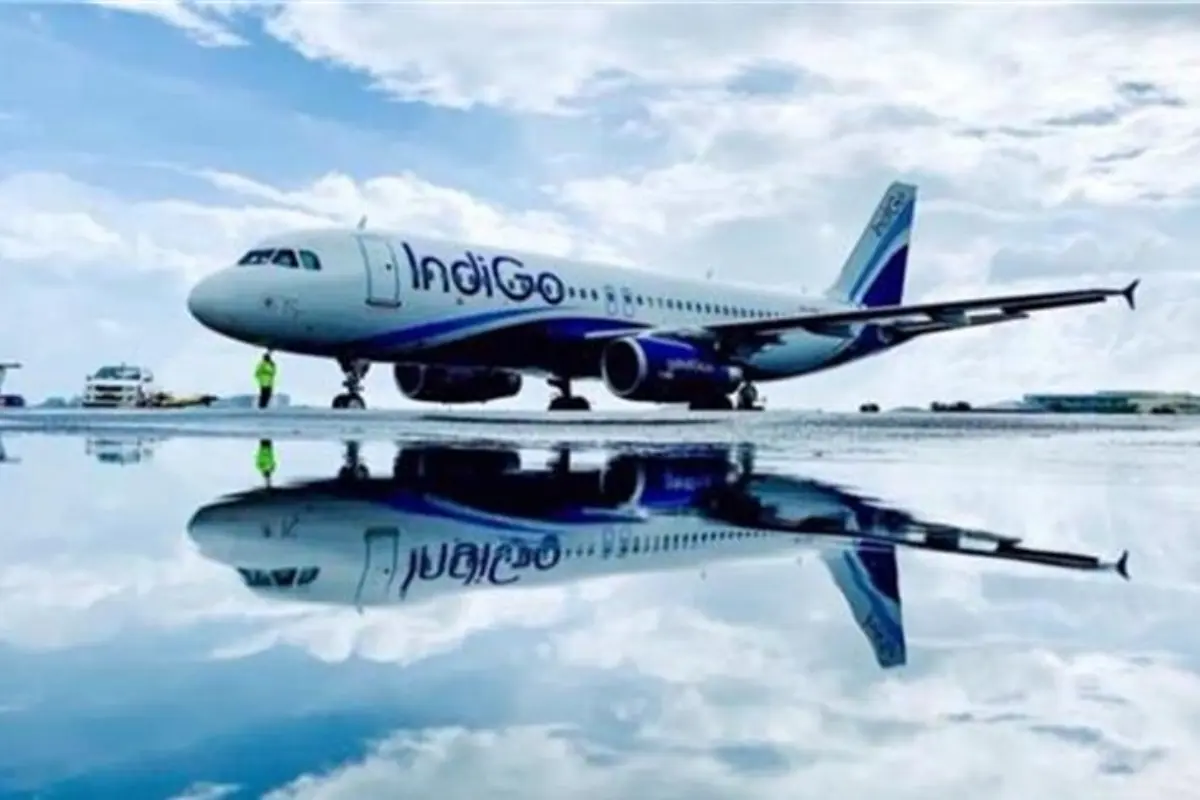
IndiGo Fiasco Fallout: The aviation sector of India is all set to welcome new players as Shankh Air, Al Hind Air and FlyExpress move closer to launch after receiving their no-objection certificates (NOCs) from the Indian government. The move is seen by many in the aviation sector as a tough response from the Indian government to IndiGo, the country’s largest airline.
What Happened After The IndiGo Fiasco Fallout?
India’s Civil Aviation Minister Ram Mohan Naidu said more airlines are important to boost competition and regional connectivity. Naidu added schemes like Ude Desh ka Aam Naagrik (UDAN) are already helping smaller carriers link underserved cities.
DON'T MISS
What Caused The Indigo Fiasco Fallout?
The IndiGo fiasco was attributed to weak DGCA compliance, absence of meaningful passenger recourse and inhumane work culture at IndiGo. Thousands of passengers were left stranded across the nation’s airports after IndiGo mismanaged flight schedules. The Competition Commission of India (CCI) took cognizance of complaints against the airline. Once the poster child of India’s low-cost aviation boom, IndiGo has now considerably lost its hard-won reputation as the country’s reliable, no-frills carrier.
The airline failed miserably to plan for new crew-rostering rules suggested by DGCA that gives cabin crew and pilots more rest. Therefore, it ended up short of legally rested staff and the airline was thus forced to ground more than half its fleet.
What Next For Shankh Air, Al Hind Air and FlyExpress?
Shankh Air, Al Hind Air and FlyExpress have received their NOCs. It is the first formal clearance required before they can apply for an Air Operator Certificate (AOC) from the Directorate General of Civil Aviation (DGCA), which allows them to begin flights.
Naidu added that airlines such as Star Air, India One Air and Fly91 have already carved out a role under UDAN by connecting tier-II and tier-III cities, which has significantly strengthened last-mile air connectivity.


