


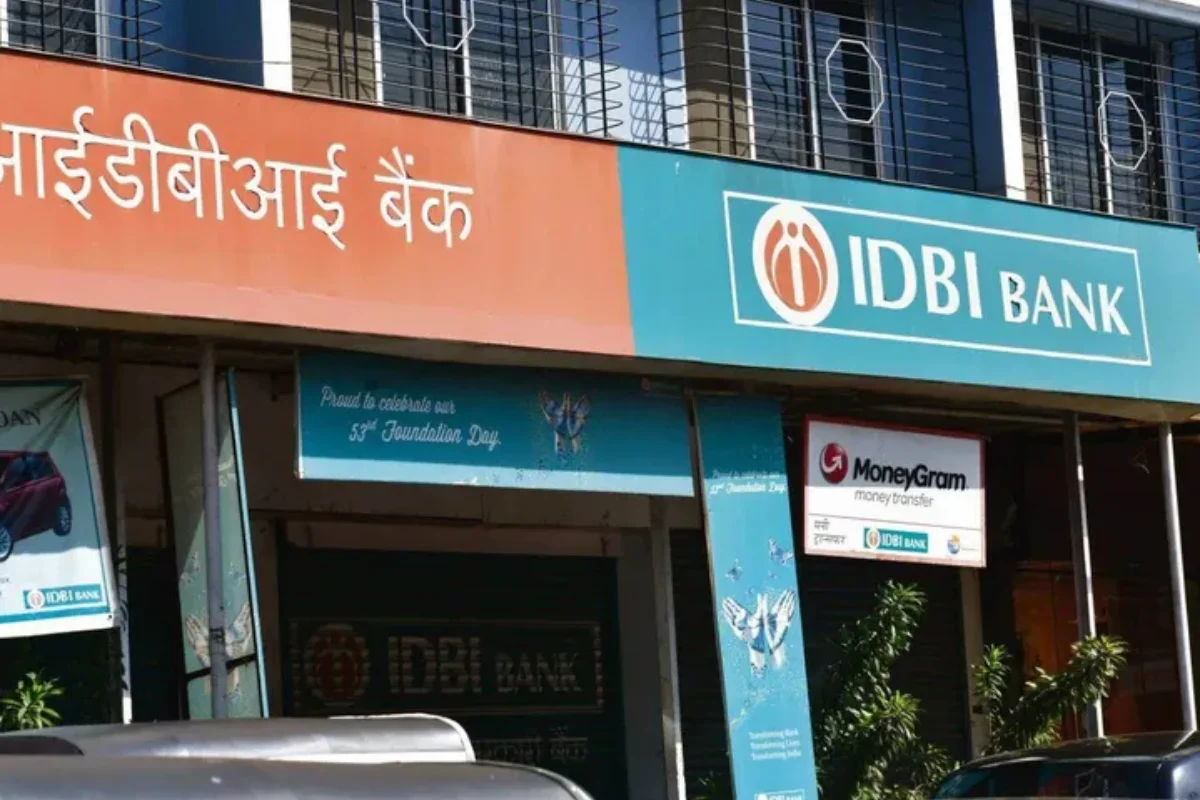
The Indian government today announced a decision to sell a majority stake in IDBI Bank via a Rs 52,878 crore transaction to Fairfax Financial Holdings, a Canada-based firm. A transfer of 60.72 percent shareholding from the government to the Fairfax-backed buying entity will be effected, while the government and the Life Insurance Corporation of India will hold a combined 34 percent stake. The transaction is still subject to regulatory approval, including from the RBI.
Fairfax Deal Represents a Landmark Milestone in the Privatization Mission in India
The IDBI Bank stake sale is one of the largest strategic disinvestment transactions undertaken since the privatization of Air India. The government anticipates that the transaction will fetch significant revenue and will also lead to a dilution of its majority stake in the banking sector. The deal also highlights the increasing appetite among foreign investors for financial services in India. Fairfax has existing investments in the country’s financial services space in the form of CSB Bank and IIFL Capital, led by Indian-Canadian investor Prem Watsa.
DON'T MISS
Political Clash Unfolds over IDBI Bank’s Disposal
The announced divestment has sparked a political battle between the BJP government and opposition leaders. Opposition leader and Samajwadi Party chief Akhilesh Yadav accused the BJP government of liquidating the state’s assets ahead of the conclusion of the government’s term. The BJP government, for its part, challenged the record of those who were in power when the Government of India was supported by the Congress-led United Progressive Alliance (UPA). The deal has also come under fire from the representatives of IDBI Bank employees. The United Forum of IDBI Officers and Employees has demanded suspension and review of the process, fearing the sale of a controlling stake to a foreign operator.
What’s Next?
The deal will see IDBI Bank’s ownership reconstituted and may have implications for competition in India’s banking industry. Regulatory clearances and completion of conditions related to Fairfax’s existing banking interests are still to be achieved. The regulators approved the deal in a “conditioned” mode, meaning the institutions are still going to be owned by the state but in practice this is now no longer relevant, and the banks can now be treated in the same way as other financial institutions. However, there is still speculation over the level of public ownership involved in the deal and how the bank will evolve in the future.