


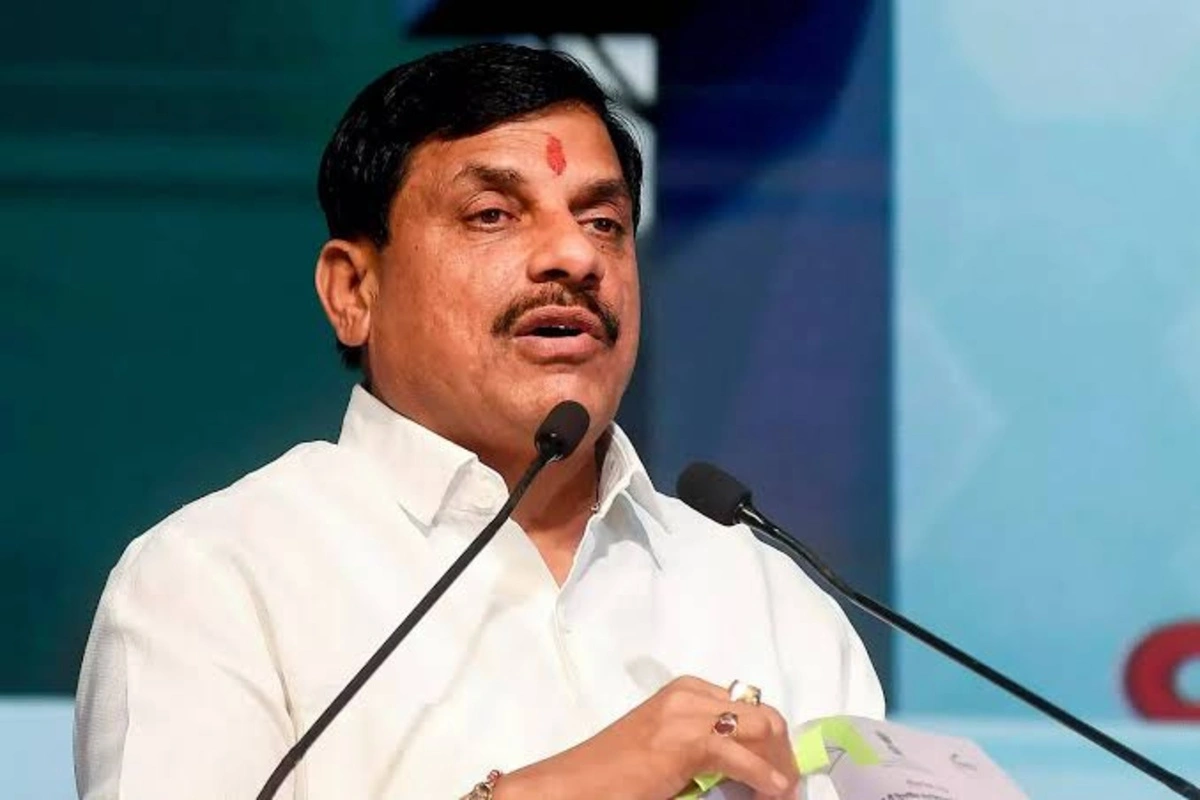
The Madhya Pradesh government, under the leadership of Chief Minister Mohan Yadav, is actively promoting the dairy sector to strengthen rural livelihoods and boost the state’s economy. Emphasizing the vision of “Empowered Livestock Farmers, Prosperous Madhya Pradesh,” the government is introducing measures aimed at increasing farmers’ income and making them self-reliant.
Mohan Yadav: Dairy Sector Push to Empower Livestock Farmers in Madhya Pradesh
According to official communication from the Government of Madhya Pradesh, special incentives are being provided to encourage dairy development across the state. One of the key initiatives includes the allocation of land for establishing gaushalas (cow shelters) with capacities ranging from 5,000 to 50,000 cattle, aimed at scaling up dairy infrastructure and ensuring better livestock management.
The initiative is expected to generate employment opportunities, enhance milk production, and support farmers through improved resources and institutional backing. Officials state that the move will not only strengthen the rural economy but also contribute to sustainable agricultural practices in the state.
In addition, the government is focusing on modernizing the dairy value chain by promoting better breeding practices, veterinary services, and access to quality feed. Efforts are also being made to connect livestock farmers with organized markets, ensuring fair pricing and reducing dependency on middlemen. Digital platforms and cooperative models are being encouraged to streamline procurement and distribution processes.
Officials further highlighted that the expansion of the dairy sector will play a crucial role
Officials further highlighted that the expansion of the dairy sector will play a crucial role in diversifying farmers’ income sources, reducing risks associated with traditional agriculture. With increasing demand for milk and dairy products, the sector is being positioned as a key driver of inclusive growth in Madhya Pradesh, benefiting small and marginal farmers as well as rural youth seeking sustainable employment opportunities.