


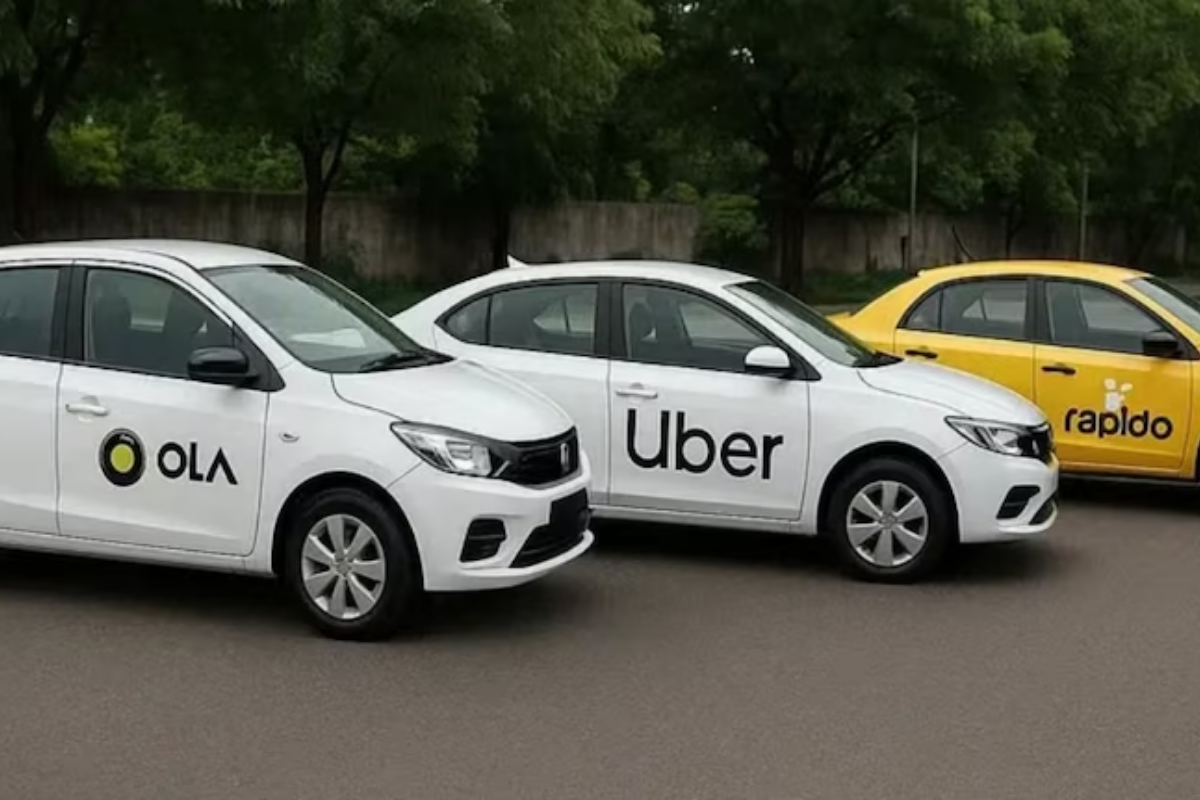
A nationwide strike by app-based cab and bike taxi drivers disrupted ride-hailing services across several Indian cities on February 7, 2026. The coordinated protest, called the “All India Breakdown,” saw drivers associated with platforms like Ola, Uber, Rapido, and Porter log off their apps for nearly six hours, raising concerns about travel disruptions during peak hours.
DON'T MISS
Telangana Gig Workers Union Leads the Protest
The strike has been organised by the Telangana Gig and Platform Workers Union (TGPWU), working with other driver associations across India. The union announced the protest through social media and also communicated its demands to Union Road Transport and Highways Minister Nitin Gadkari. Worker representatives say the strike reflects growing dissatisfaction among gig drivers over unstable earnings and regulatory gaps.
Key Demands Raised by App-Based Drivers
Drivers participating in the strike are demanding government-regulated minimum fares and stricter enforcement of the Motor Vehicle Aggregator Guidelines 2025. They have also called for measures to stop the use of private vehicles for commercial ride services. According to driver unions, frequent pricing changes by platforms and reduced incentives have led to income uncertainty, especially amid rising fuel and vehicle maintenance costs.
Travel Disruptions Across Major Indian Cities
The temporary shutdown affected commuters in cities such as Hyderabad, Bengaluru, Mumbai, Delhi-NCR, and Chennai. Although the strike lasted only a few hours, it highlighted the heavy dependence of urban transport systems on gig-based ride services. Many passengers reported longer wait times and limited ride availability during busy travel periods.
Is There a Bharat Taxi Connection?
Speculation about a link between the strike and Bharat Taxi, a recently launched government-backed cooperative ride-hailing app, has surfaced online. However, unions have clarified that the protest is aimed at long-standing issues with private aggregator platforms rather than the new service, though the timing has triggered wider discussions in the industry.