

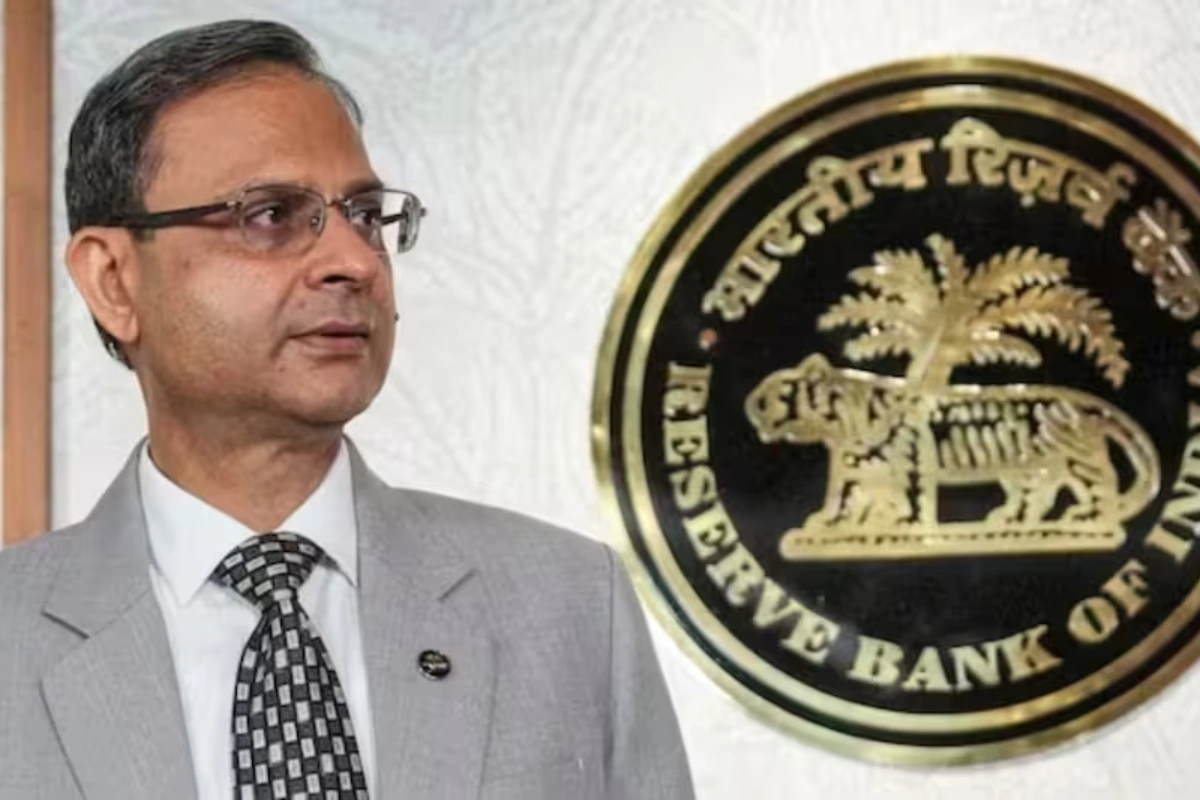
RBI MPC: The Reserve Bank of India’s Monetary Policy Committee (MPC) in a unanimous decision that came as no surprise to the Indian markets has decided to maintain the status quo. The policy repo rate would remain unchanged at 5.25 percent. The standing deposit facility (SDF) stays at 5 percent while the bank rate and the Marginal Standing Facility (MSF) rate stand firm at 5.5 percent.
The Consumer Price Index (CPI) inflation is projected at 2.1 percent for 2025-26 with Q4 at 3.2 percent. CPI inflation for next year’s Q1 and Q2 are projected at 4.0 and 4.2 percent, respectively. On a daily average basis, system liquidity stood at a surplus of 70,000 crore. This brought delight for the Indian markets and Sensex.
RBI governor Sanjay Malhotra remarked that the neutral stance of RBI reflects its cautious navigation via a complex economic landscape. The central bank has signalled confidence in the present-day trajectory while keeping options open for future tweaks.
Implications of the Unchanged Repo Rate
RBI has delivered immediate relief to borrowers by keeping the repo rate frozen at 5.25 percent. Personal loan and home loan EMIs would remain unchanged. On the other hand, businesses with floating rate loans would be able to avoid any form of cost escalations. Small and medium enterprises (SMEs) that rely heavily on bank credit would get the much-needed stability to expand without rate shocks.
DON'T MISS
The neutral stance prioritizes growth over aggressive inflation control.
RBI MPC Members
The Monetary Policy Committee (MPC) of the Reserve Bank of India (RBI) includes 6 members: three from the RBI and the rest appointed by the Central Government.
The RBI Governor Sanjay Malhotra leads the RBI CPC while the 6 members include:
- Nagesh Kumar, Director and Chief Executive of the Institute for Studies in Industrial Development, New Delhi
- Indranil Bhattacharyya, Reserve Bank of India Executive Director
- Poonam Gupta, Reserve Bank of India Deputy Governor, Incharge of the Monetary Policy Committee
- Ram Singh, Director of the Delhi School of Economics
- Saugata Bhattacharya, a Mumbai-based economist, Former Chief Economist and Executive Vice President at Axis Bank
How The Rate Path Of RBI Compares Internationally?
This year, major central banks have not observed a single common direction. In the recent past, a broad shift toward easier policy has been the go-to mantra for many economies of the world this year. For instance, the United States Federal Reserve reduced its benchmark rate by 25 basis points in the later half of 2025. Currently, it stands at 3.50-3.75 percent after tightening earlier.
The key rate has been kept at 3.75 percent by the Bank of England (BoE). Policymakers are closely split on future cut timings amid softening growth forecasts. The main policy rates have been kept unchanged by the European Central Bank (ECB) in early 2026 to maintain stability instead of cutting further for now as inflation falls closer to target.