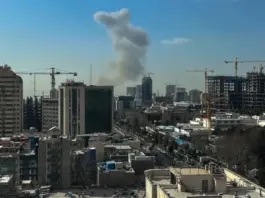
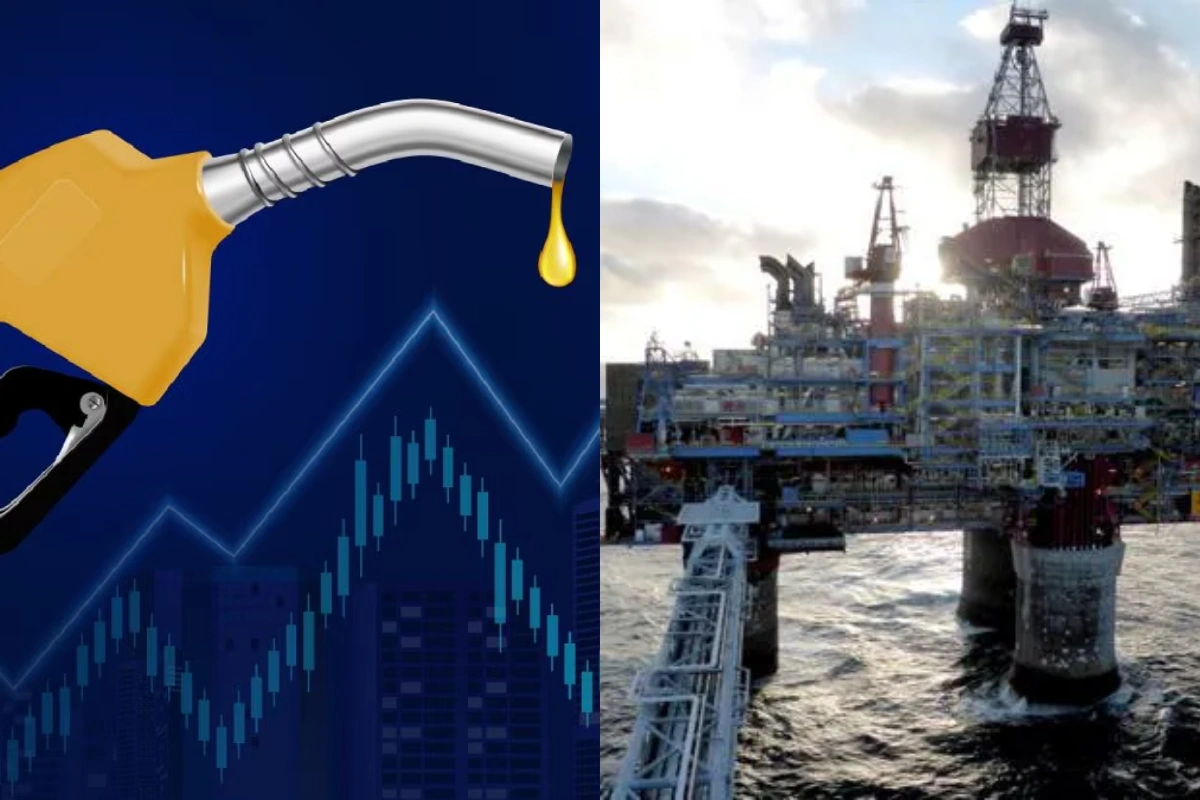
US Iran Israel War: The escalating conflict between the joint forces of Israel and the United States against Iran is multiplying economic shocks that extend far beyond rising oil prices with every passing day. This could possibly threaten the growth trajectory of India in multiple dimensions. A long conflict situation could severely impact currency stability, fertilizer availability, inflation, agricultural security and many other economic aspects that may derail India’s ambitious economic goals.
US Iran Israel War-Energy Crisis And Inflation Spiral
Iran has halted supply chains across the Strait of Hormuz through which India gets almost 50 percent of its crude oil imports every day. More than 2.7 million barrels of crude oil per day passes from UAE, Saudi Arabia, Iraq and Kuwait via the Strait of Hormuz before it reaches India. Long-term closure of this critical checkpoint could make India acutely vulnerable to disruption like never before.
For instance, each $1 increase in the prices of crude oil could add approximately $2 billion to the annual import bill of the country, creating severe and absolute pressure on India’s current account deficit and trade balance.
In the last week, Brent Crude has surged to a high of seven months to reach approximately $73 per barrel. If tanker flows are not restored quickly, prices could well exceed $100-$125 per barrel, resulting in higher retail fuel prices, lower forex reserves, renewed inflationary pressures across the Indian economy and increased transportation costs.
At present, India has already committed to not buying crude oil from Russia as part of its trade deal with the United States. This means that India cannot get cheaper crude oil from any other source.
To combat this scenario, the Reserve Bank of India may be forced to raise interest rates to avoid deep inflation. This, in turn, could translate to dampened growth. On the other hand, the maintenance of accommodative policies for long could risk imported inflation and currency depreciation.
Dollar-Rupee Exchange Rate Pressure
A prolonged conflict between Iran against the United States and Israel could significantly weaken the Indian Rupee against the United States Dollar. Higher oil imports would result in increased dollar demand while capital outflows from emerging markets could be triggered by global risk aversion. The widening trade deficit from expensive energy imports creates structural pressure on the currency, potentially pushing the dollar-rupee pair to record highs.
DON'T MISS
A weaker Indian rupee would hurt badly and in multiple ways. It would make all imports more expensive, including fertilizers, edible oils and Brent Crude. This could erode purchasing power for Indian consumers and businesses. All these factors could derail the stability that India had achieved in recent months, when the economy was operating in a “sweet spot” with strong growth and low inflation.
US Iran Israel War-Agricultural And Fertilizer Vulnerabilities
Long-time conflict between Iran against the United States and Israel could pose serious threats to the agricultural sector of India just ahead of the crucial kharif sowing season that starts in June. Continued conflict would result in exorbitant shipping insurance surcharges that would make imports costlier.
A shortage of fertilizers could increase food prices as agricultural yields would reduce, which would threaten the food security objectives of India. Moreover, delayed shipments of edible oils could create shortages and induce massive price hikes in the context of essential food items.
India may be pushed to buy more from the United States in terms of agricultural supplies, which is something that the United States Donald Trump wants. However, this could mean a betrayal with the Indian agriculture community and would not go good with the Indian voters.
Trade Disruptions And Export Losses
Indian exporters, especially those dealing in rice, tea, onions and bananas, could be impacted by the temporary loss of an important market in Iran. Moreover, petrochemical, rubber, cement and steel sector manufacturers could face higher input costs linked to crude derivatives and transport bottlenecks, reducing competitiveness in global markets.
GDP Growth And Prosperity Plans At Risk
The Iran-Israel conflict if gone long could discourage investment in India and offset the positive effects of recent trade deals with the EU and US on GDP growth. While India had projected 7 percent GDP expansion for FY2026/27, the ongoing conflict introduces significant downside risks that could reduce this forecast. A full closure of the Strait of Hormuz could directly reduce GDP by up to 0.5 percentage points through higher energy costs alone.