

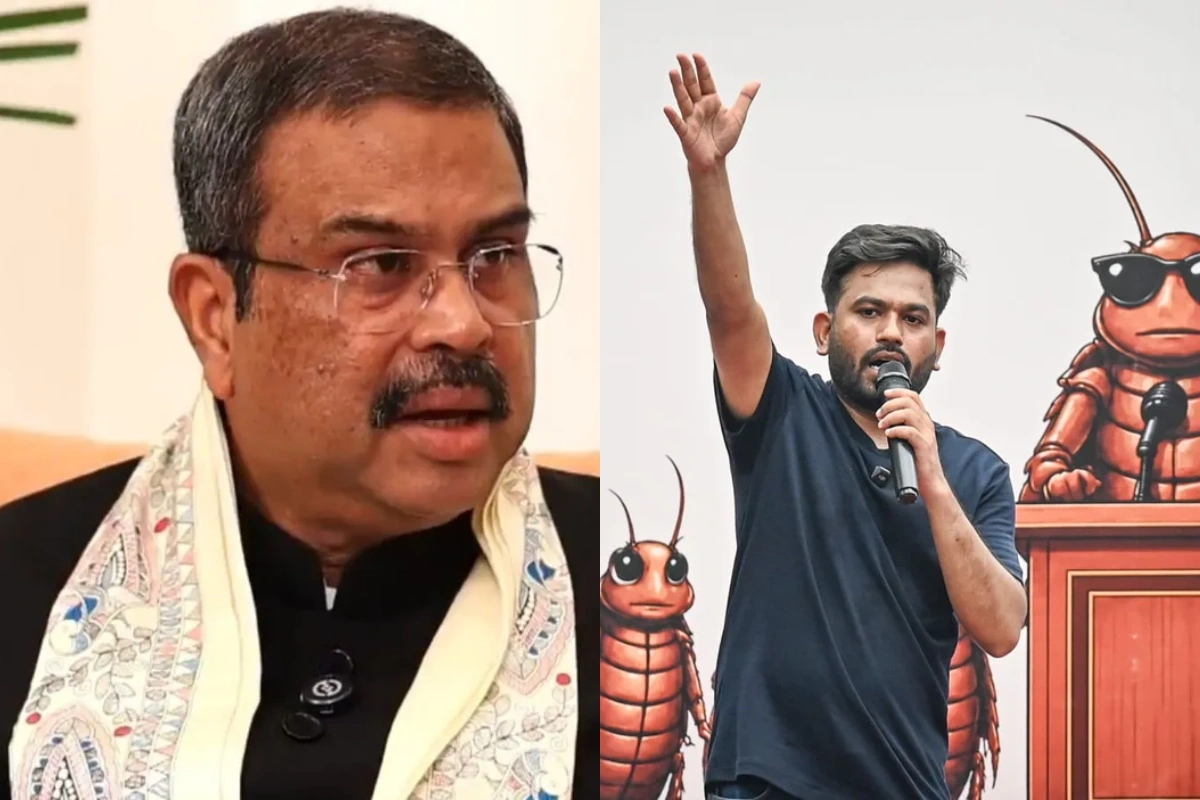
The resignation of Union Education Minister Dharmendra Pradhan has become a defining moment in India’s recent political landscape. The decision came after weeks of nationwide student-led protests demanding accountability over the alleged NEET examination paper leak controversy. Protest leaders described the resignation as a major democratic victory and announced the end of their protest campaign.
DON'T MISS
The Cockroach Janta Party (CJP), which spearheaded the movement, has now entered a new phase. Having achieved its primary demand, the organisation faces the challenge of transforming from a protest movement into a long-term political force.
A Turning Point for the Movement
The resignation has significantly boosted the visibility of the Cockroach Janta Party. Supporters believe the movement has demonstrated that sustained, peaceful public protests can influence national policy. The party’s leadership has credited students and young citizens for maintaining pressure on the government throughout the campaign.
Cockroach Janta Party: Challenges Ahead
Political analysts believe the CJP’s future will depend on whether it can move beyond a single-issue campaign. While education reforms remain central to its agenda, the party may now need to present detailed policies on employment, governance, transparency, and economic development if it hopes to expand its national appeal.
Maintaining public support after a successful protest is often more difficult than mobilising it. The coming months will test the party’s organisational strength and political strategy.
Government’s Next Steps
With Dharmendra Pradhan stepping down, attention is expected to political force or remains identified primarily with this movement will depend on how effectively it builds on its recent momentum.


