

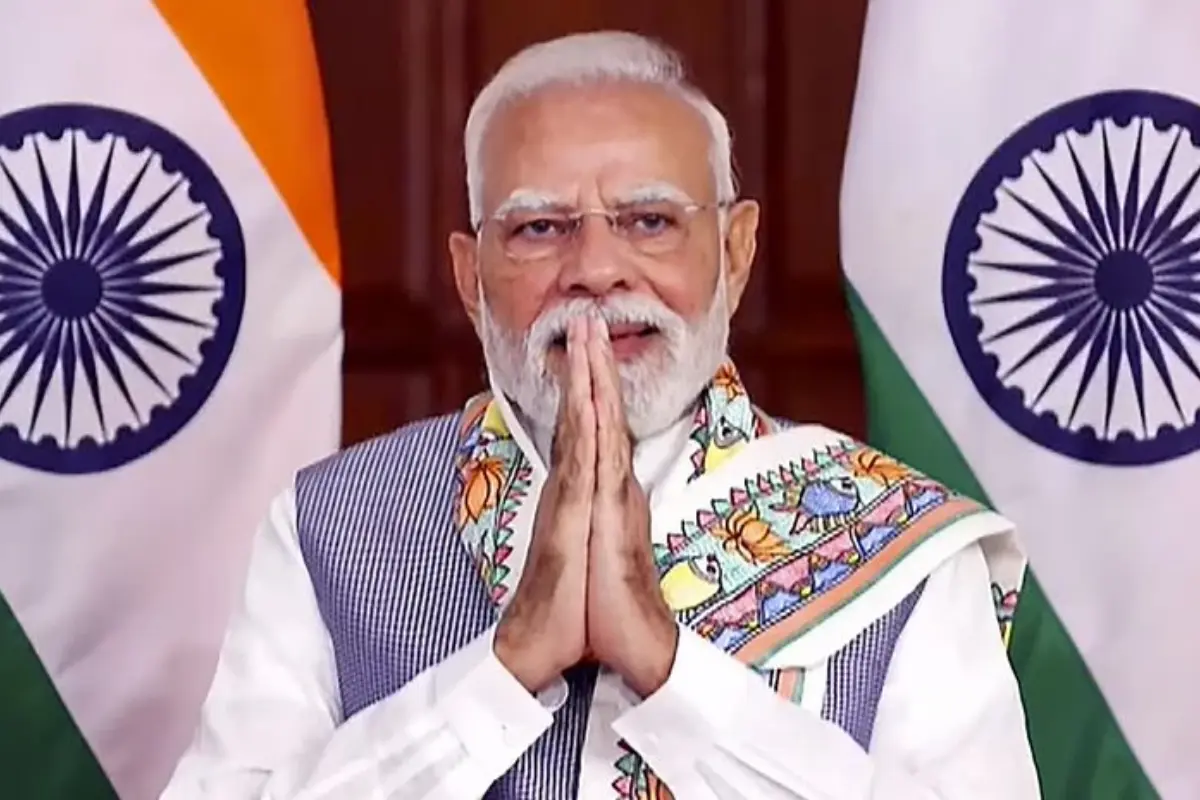
PM Modi: Indian Prime Minister Narendra Modi delivered a strong critique at the 23rd edition of the Hindustan Times Leadership Summit. Modi vehemently condemned the term “Hindu rate of growth” that has often been used to describe the slow economic development of India. The remarks of PM opened up a sharp debate on the intersection of economics, religion and political narratives in contemporary India, raising questions about the motivations and fairness behind the term’s usage.
DON'T MISS
Modi categorically rejected the association saying there has always been an attempt to malign the Hindu way of life by terming the country’s slow growth a few decades ago as the Hindu rate of growth.
Reframing Of Historical Economic Discourse
PM’s comments were seen by critic as a politically charged reframing of historical economic discourse while his supporters claimed it as a strong defence of Hindu identity. Coined by economist Raj Krishna in the late 20th century to describe India’s average annual GDP growth rate of around 3.5% from the 1950s to 1980s, the Hindu rate of growth was seen by many as a derogatory label to suggest that Hindu cultural traits supposedly contributed to economic stagnation, which included passive steps like lack of risk-taking, conservatism and resistance to change.
The rebuttal by PM Modi questions both the premise and the implications of such assertions. Critics argue that the rejection of Modi pointed to attributing economic outcomes to religious identity risks polarizing the discourse and deflecting from substantive debates on governance and reform.
On the other hand, opponents warn that reviving identity-based narratives around economic performance can significantly deepen societal divides and distract from addressing systemic challenges that India continues to face. Modi’s supporters believe that his emphasis on Hindu principles such as hard work, discipline, and community can inspire renewed economic vigour.
Whether viewed as a bold attempt to restore cultural pride or a controversial politicization of economic discourse, the dialogue sparked by his words illustrates the ongoing struggle over India’s identity and future direction.


