


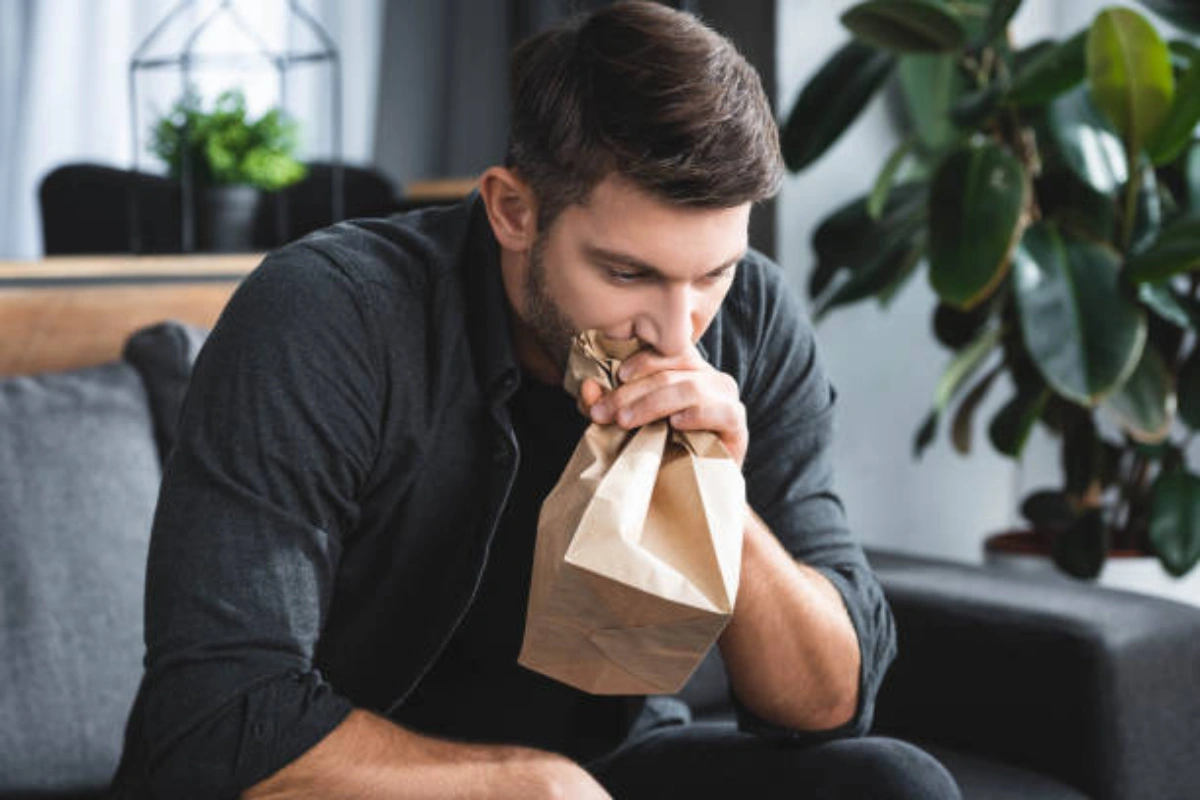
Anxiety Management: Panic attacks can happen anytime and to anyone, irrespective of their age, demographics or gender. According to Mayo Clinic, panic attacks can trigger severe physical and emotional reactions and may cause an individual to assume that they are losing control over a specific situation or the occurrence of an event.
Dr Priyanka Sehrawat, DM Neurology from AIIMS Delhi, general physician and neurologist, MD Medicine, explains that a simple paper bag can prove out to be a good tool for people who experience frequent panic attacks.
DON'T MISS
Anxiety Management-What Happens During Panic Attacks?
Panic attacks are usually characterized by intense, fast breathing. Because of this, the presence of carbon dioxide in an individual’s blood tends to “erode” out via the lungs at a speedy rate. This leads to an alteration of the body’s pH balance. Dr Sehrawat explains that this shift could become quite apparent from a wide range of symptoms like palpitations, nervousness, and heaviness in the individual’s chest, pain in any side of the chest or pain in the back’s shoulder muscles.
How Can A Paper Bag Help?
Individuals who experience frequent panic attacks may use a normal paper bag to cover their mouth and nose. The paper bag needs to be hold in such a way that it is sealed shut over the openings. Thereafter, the individual is required to breathe in slowly, in an out for 5-15 times. The paper bag technique is beneficial to retain the level of carbon dioxide that may get washed out by the body.
This helps in normalizing the blood pH levels as the carbon dioxide gets retained and its concentration gets normalized in the blood. This, in turn, translates to the neutralization of panic attack symptoms within a few minutes.
The Recommendation of Dr Sehrawat
Dr Sehrawat recommends that individuals who experience frequent panic attacks must immediately consult a psychologist or psychiatrist. This would help them identify what kind of medicine-related or non-medicine-related changes they should undergo to manage their anxiety and panic attacks.
Disclaimer: This content, including advice, provides general information only. It is not a substitute for a qualified medical opinion in any way. The methods and claims mentioned in this article should be considered as suggestions only; DNP India neither confirms nor denies them. Always consult a doctor before following any such suggestions/treatments/medications/diets.