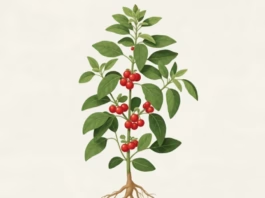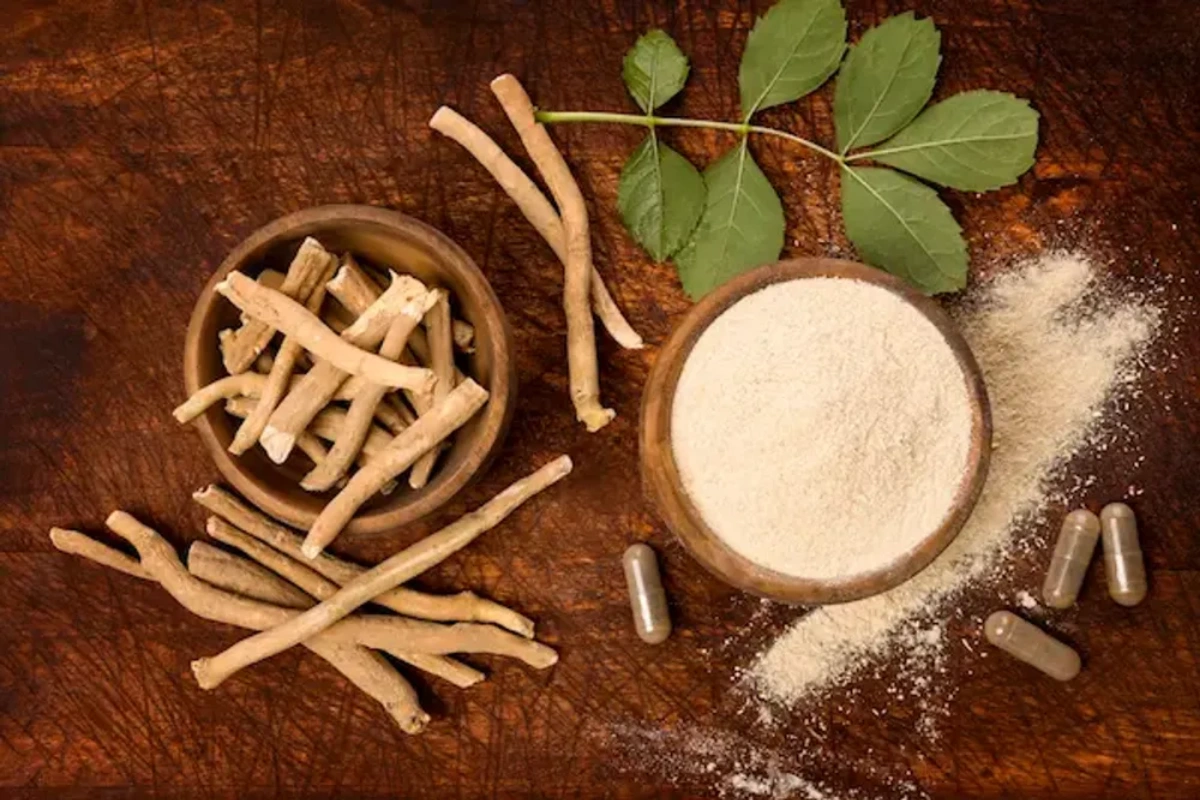
Ashwagandha: Revered in Ayurveda as a fertility booster and stress reliever, Ashwagandha has been facing intense scrutiny over potential liver risks. Several gastroenterologists and hepatologists have claimed that being a natural herb does not translate to a safe option for everyone.
Ashwagandha-Fertility and Wellness Benefits
Ashwagandha (Withania somnifera) is an excellent adaptogen that helps your body manage stress, anxiety and depression by reducing the levels of cortisol (the stress hormone).
Several studies have demonstrated that the natural herb improves male fertility by boosting sperm count, health and motility while treating low testosterone in men. It may also be recommended to women as it improves ovarian function and cycle regularity, aiding conception in those with infertility issues.
DON'T MISS
In addition, Ashwagandha supports thyroid balance in subclinical hypothyroidism, reducing thyroid stimulating hormone (TSH) while raising T3 and T4 hormones. It also helps in stimulating muscle recovery, sleep and anxiety reduction.
Is Ashwagandha Safe For Everyone?
Though a safe and natural herb, Ashwagandha may not be for everyone. Medical experts have suggested that long-term abuse or extremely high dosages could result in glutathione depletion, oxidative stress on mitochondria or liver damage in rare cases.
Who Should Strictly Avoid It?
Ashwagandha is not usually recommended to pregnant women as it could stimulate uterine contractions that may increase the risk of miscarriages. It is also not advised to individuals with thyroid disorders. The herb is also not advised to those with existing liver, kidney or prostate issues.
Ideally, you should use this herb only after the advice of your medical practitioner. You should only buy genuine Ashwagandha from a reputed provider of natural herbs. A dosage of 300-60mg a day of Ashwagandha root extract may be used in cycles of 8-12 weeks. Moreover, you should regularly track liver enzymes to ensure your safety.
Disclaimer: This content, including advice, provides general information only. It is not a substitute for a qualified medical opinion in any way. The methods and claims mentioned in this article should be considered as suggestions only; DNP India neither confirms nor denies them. Always consult a doctor before following any such suggestions/treatments/medications/diets.