

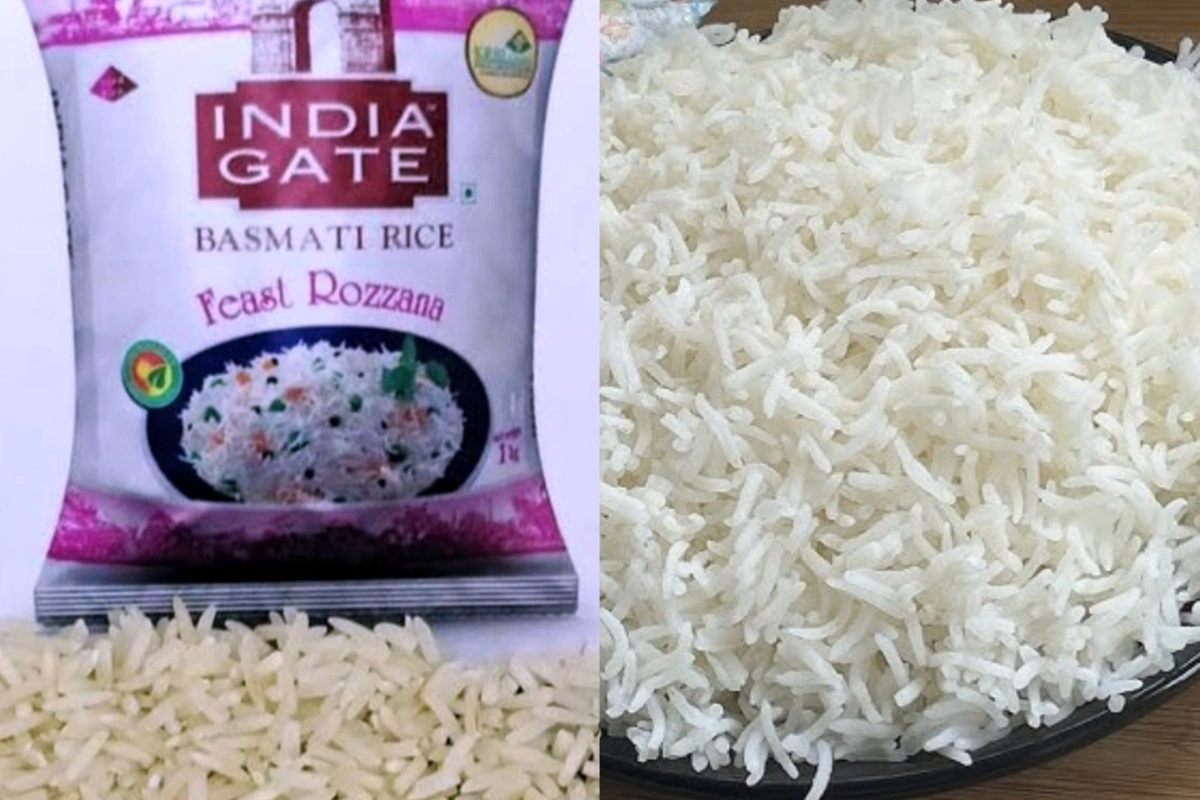

Basmati Rice Test: Basmati rice is a staple in millions of Indian homes. From kids to elders and gym-goers, everyone consumes it daily for energy, nutrition, and easy digestion. Among packaged rice brands, India Gate is the number one choice for its long grains, aroma and premium image. But how safe is it really?
A recent Basmati Rice Test by Trustified, India’s first 100% blind food testing certification program, reveals surprising results that every consumer should know.
India Gate Basmati Rice Is Popular But Not Without Risk
Trustified tested India Gate’s Feast Rozzana 1 kg variant (priced at Rs 100) across multiple safety levels:
- Heavy Metals: Lead, mercury and tin were below detectable limits. Arsenic and cadmium were found but remained within safe levels.
- Aflatoxins: B2, G1 and G2 were under limits, but B1 was detected—still within safety standards.
- Microbiological Safety: No harmful bacteria were detected, indicating proper hygiene and storage practices.
- Pesticides: Eight pesticides were found, but one (thiamethoxam) exceeded safe limits. The detected amount was 0.051 mg/kg, above the FSSAI limit of 0.02 mg/kg.
Experts warn that washing or cooking rice cannot fully remove pesticides absorbed into grains. This makes pesticide testing a crucial step for food safety.
DON'T MISS

What This Basmati Rice Test Means For Consumers
The Basmati Rice Test results show that even trusted brands can have hidden risks. While most safety parameters were within limits, the excess thiamethoxam is concerning. Consumers should consider:
- Washing rice thoroughly before cooking reduces surface pesticides.
- Buying organic rice when possible limits chemical exposure.
- Checking trusted lab tests for brand safety information.
According to Trustified, blind testing helps identify these hidden dangers and empowers consumers to make informed choices. The full report is available on their website, showing which products pass or fail.