

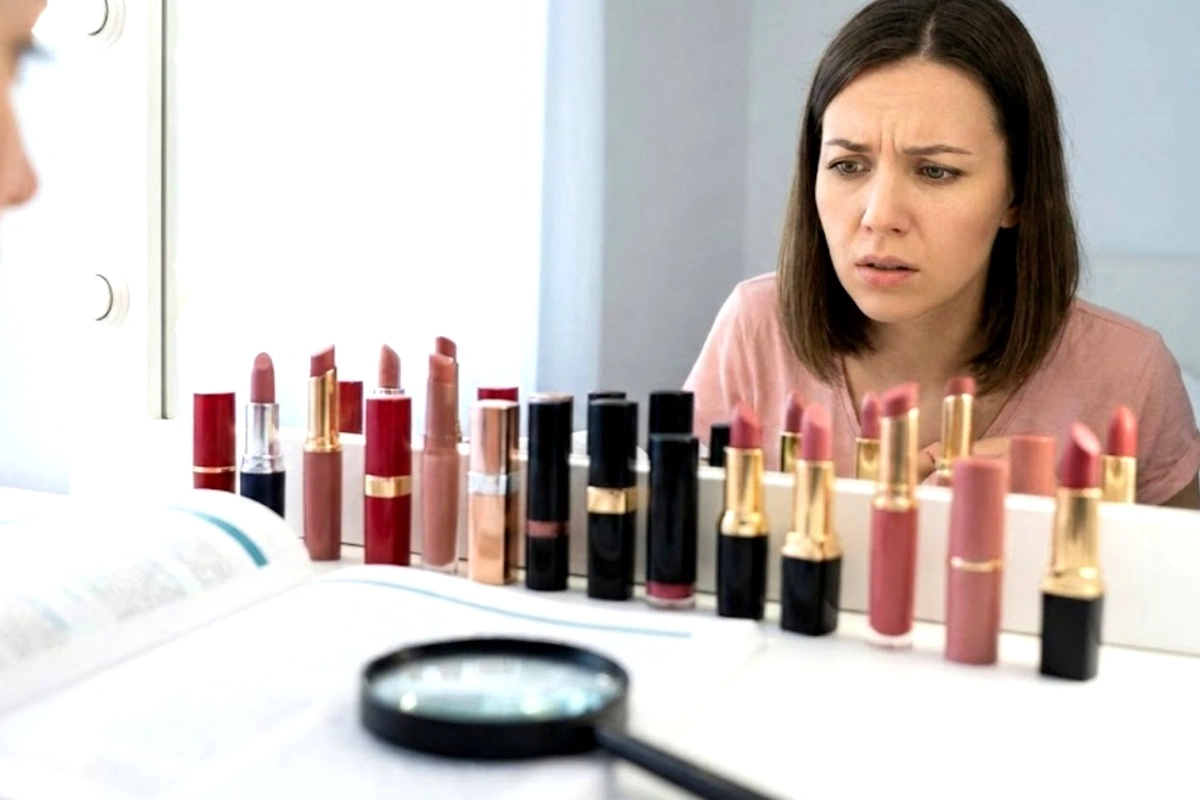
We all love to step out looking our best. A beautiful dress, a glossy lipstick and you’re ready to conquer the day. But have you ever stopped to think about what’s really on your lips? According to Dr Tarang Krishna, the lipstick you wear could be silently increasing your cancer risk.
Even though lipsticks are approved in India under the cosmetic licence system, there’s a hidden concern most people don’t know about. Your lips are not a barrier. The lipstick you apply eventually enters your body. Every sip, bite or lick transfers small amounts of these chemicals inside, where they can accumulate over time.
How Lipstick Can Increase Your Cancer Risk
Doctor Tarang Krishna explains that to give lipsticks their shiny and metallic look, manufacturers often use heavy metals like lead, cadmium and arsenic. These chemicals are not just cosmetic – they are TOXIC.
An FDA report tested over 400 lipstick shades and found lead in all of them. Over time, these heavy metals can build up in the body. They don’t just affect your health superficially, but also cause neurotoxicity and even increase the risk of serious conditions like breast cancer.
This makes it clear that cancer risk from everyday products like lipstick is a real concern. Unlike creams or lotions that are absorbed slowly, lipsticks are ingested in small amounts multiple times a day.
How to Protect Yourself from Hidden Toxins
So, what can you do to reduce this hidden risk? Doctor Krishna suggests a few simple but effective steps:
Choose certified toxin-free brands: Look for lipsticks approved for safety beyond just cosmetics.
Go organic or natural: Chemical-free products reduce exposure to heavy metals.
Limit daily use: Avoid making lipstick a constant habit.
Use Vitamin E lip balm: It can protect your lips while nourishing them naturally.
By taking these precautions, you can continue to enjoy wearing lipstick without compromising your health. Remember, beauty is not just about colour and shine. It’s also about choosing safe products that protect your body from harm.