

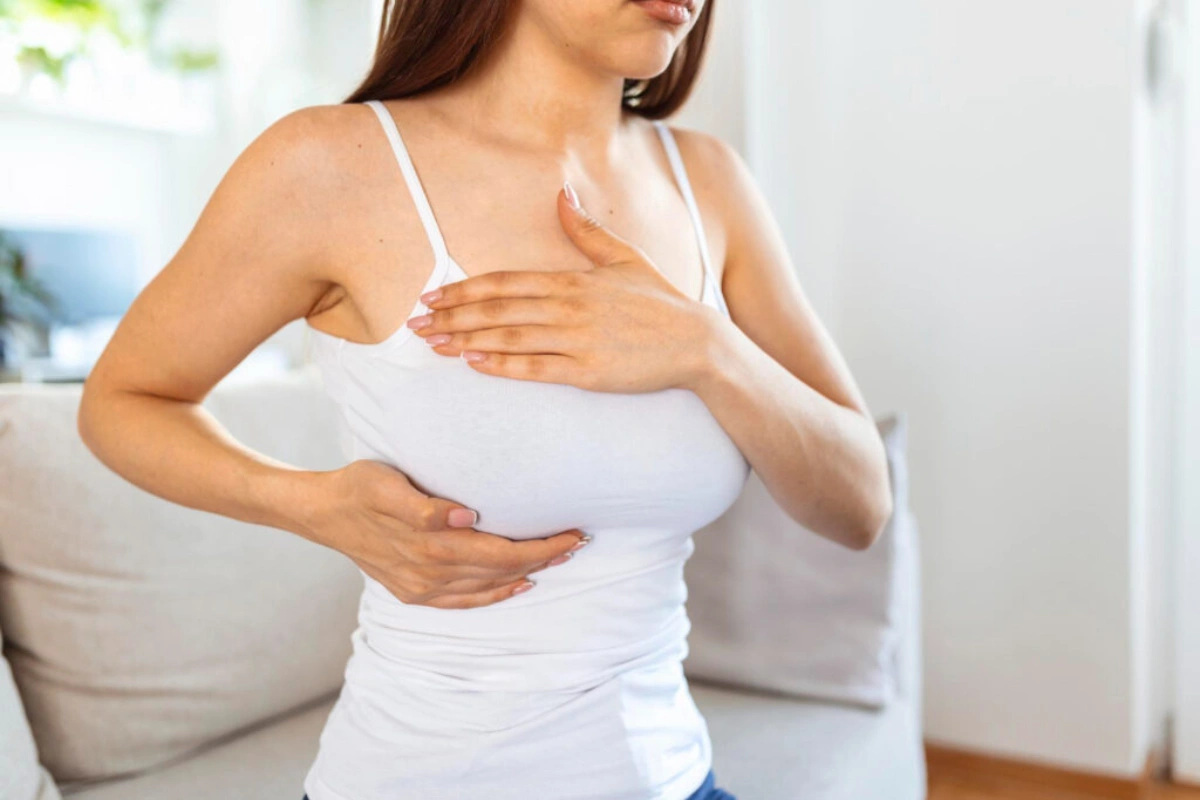
Benign Breast Lumps: The words “breast cancer lumps” could trigger absolute panic in everyone’s mind. Breast Cancer, one of the biggest causes of deaths worldwide, may be treatable but the exorbitant costs, high-end medical care, painful procedures such as chemotherapy and a series of precautionary steps could make things more challenging than in the first place. In this piece of information, we would be reading about the different types of benign (noncancerous) breast lumps and how to protect your breasts.
Benign breast lumps are often common and non-cancerous in nature; a majority of them are not associated with breast cancer. However, every new breast lump MUST ALWAYS be evaluated by a doctor to decide if any treatment is required and to rule out the risk of breast cancer.
What Are Benign Breast Lumps?
A benign breast lump could be described as an area of swelling, thickening or the presence of a distinct mass that feels slightly different from the surrounding tissue. When a breast lump is benign, it means that the cells are not cancerous in nature. Furthermore, the cells don’t invade nearby tissue and don’t spread to other body parts. In fact, a majority of benign breast lump conditions are associated with age, hormones or normal structural breast changes.
DON'T MISS
Are All Breast Lumps Cancerous?
Different studies have demonstrated that around 8 out of 10 breast lumps evaluated are benign (noncancerous), not malignant (cancerous).
Breast lumps can vary in texture, size, appearance and cause. Some key benign types include:
- Cysts: Fluid-filled sacs that could feel firm or soft, sometimes tender, especially before menstrual cycles. They are common in women after the age of 35 and often come and go with hormonal changes.
- Fibroadenomas: Rubbery, smooth and solid lumps that move easily under the fingers that are common in younger women under the age of 30. They don’t increase cancer risk and may shrink or remain stable.
- Breast infection or abscess (mastitis): Red, warm or painful area that may form a lump, usually in breastfeeding women. They require urgent medical treatment and sometimes drainage.
- Fat necrosis or scar tissue: Irregular, firm lumps that tend to occur after a surgery or an injury to the breast. They could be benign in nature BUT may mimic cancer on examination and imaging. Therefore, urgent medical intervention is HIGHLY recommended.
- Phyllodes tumours: Primarily benign fast-growing tumours that may recur if not fully removed; a small percentage could become cancerous.
- General fibrocystic changes: Lumpy or rope-like breast texture, often more noticeable and tender before periods.
NOTE: You should ONLY count on imaging (mammogram, ultrasound) and sometimes biopsy may be recommended to confirm whether a lump is benign or malignant.
How To Care For Your Breasts?
Good breast cancer involves healthy lifestyle habits, self-awareness and regular screening.
Ideally you should:
- Consume fresh and seasonal fruits and vegetables along with whole grains, healthy fats and lean proteins. Highly processed foods and added sugars should be avoided.
- Aim for at least 150 minutes of moderate activity per week to help control weight and reduce estrogen levels produced by fat cells.
- Wear properly fitted bras to prevent premature sagging and discomfort.
- Use gentle, moisturizing cleansers and daily moisturizers, and apply sunscreen (SPF 15 or higher) to any area exposed to the sun to protect delicate breast skin.
- Gentle breast massage to help lymphatic flow and increase comfort and awareness of normal breast texture.
- Avoid smoking and limit alcohol; keep up with clinical exams and screening.
Lastly, you should seek IMMEDIATE medical intervention if you notice a new lump, skin dimpling, nipple discharge, redness or persistent pain in one or both breasts.
Disclaimer: This content, including advice, provides general information only. It is not a substitute for a qualified medical opinion in any way. The methods and claims mentioned in this article should be considered as suggestions only; DNP India neither confirms nor denies them. Always consult a doctor before following any such suggestions/treatments/medications/diets.