

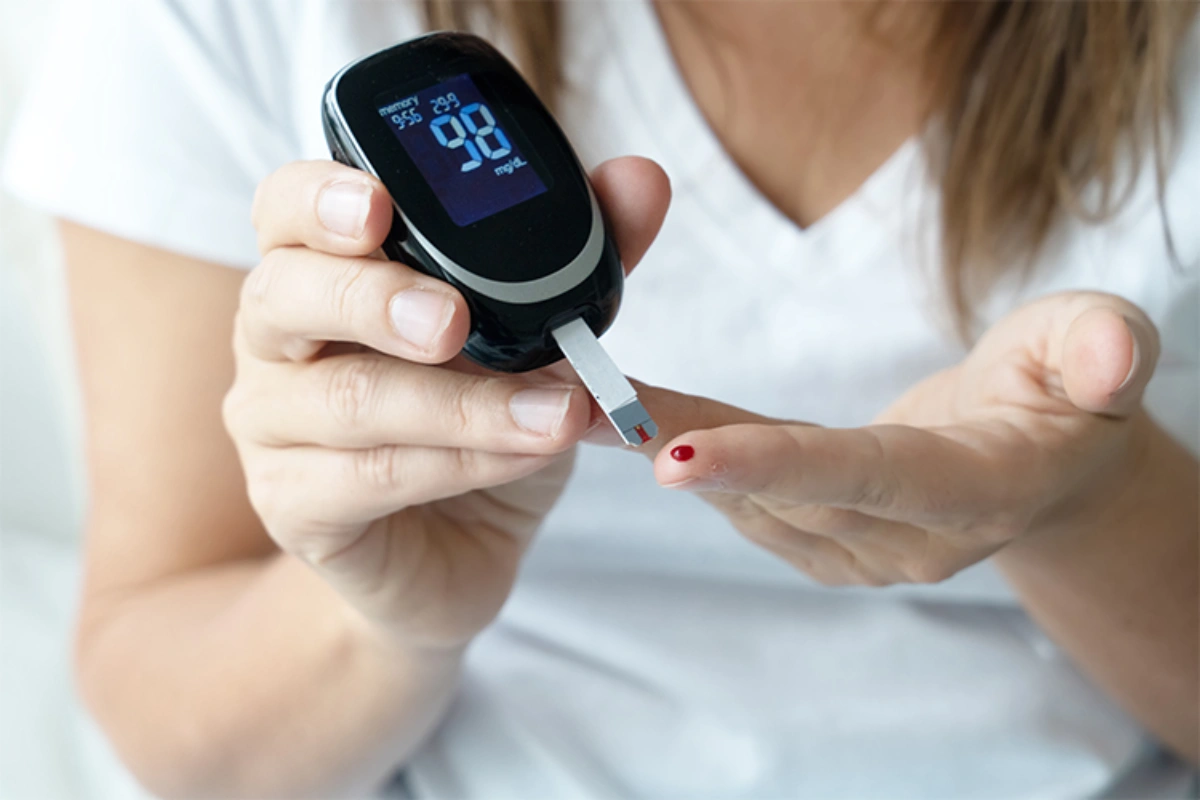
Blood Sugar: Unstable blood sugar levels in your body can silently wreak havoc on daily life, turning vibrant energy into frustrating slumps. Common signs of unstable blood sugar levels include brain fog, afternoon energy crashes, bloating, acne, stubborn belly fat, poor sleep and constant cravings.
Spotting The Red Flags Of Unstable Blood Sugar
If you experience afternoon energy crashes forcing you to reach for snacks or coffee, this may be sign of unstable sugar levels. Brain fog clouding focus making simple tasks feel overwhelming? Constant food cravings striking every few hours, especially for sweets? These are all red flags of unstable sugar levels.
DON'T MISS
Start With Small But Powerful Changes
The best thing is to skip sugary breakfast by ditching toast with jam, sweetened yogurt and cereals that can spike sugar levels within no time.
Instead, you can choose protein-rich choices such as paneer, fresh vegetables and eggs. You can start your day with boiled eggs or paneer bhurji for steady energy through mornings. Avoid soda, energy drinks or fruit juices as they can cause rapid sugar level spikes.
Choose green tea, plain water, lemon water or black coffee to stay hydrated without insulin interference. If you crave something sweet after a meal, try berries, curd or chia pudding. Also, you must replace packaged snacks with seeds, nuts or makhana. How about lip-smacking almonds, roasted fox nuts or pumpkin seeds to curb hunger healthily?
Ideally, you should take a walk for 10-15 minutes after eating so the muscles can utilize glucose, preventing post-meal crashes.
Why These Changes Work?
Fiber and protein slow down digestion, preventing sharp sugar spikes. Walking boosts insulin sensitivity naturally while healthy fats from nuts and seeds stabilize hormones. These swaps stop your body to burn fat steadily instead of riding sugar rollercoasters.
Disclaimer: This content, including advice, provides general information only. It is not a substitute for a qualified medical opinion in any way. The methods and claims mentioned in this article should be considered as suggestions only; DNP India neither confirms nor denies them. Always consult a doctor before following any such suggestions/treatments/medications/diets.