


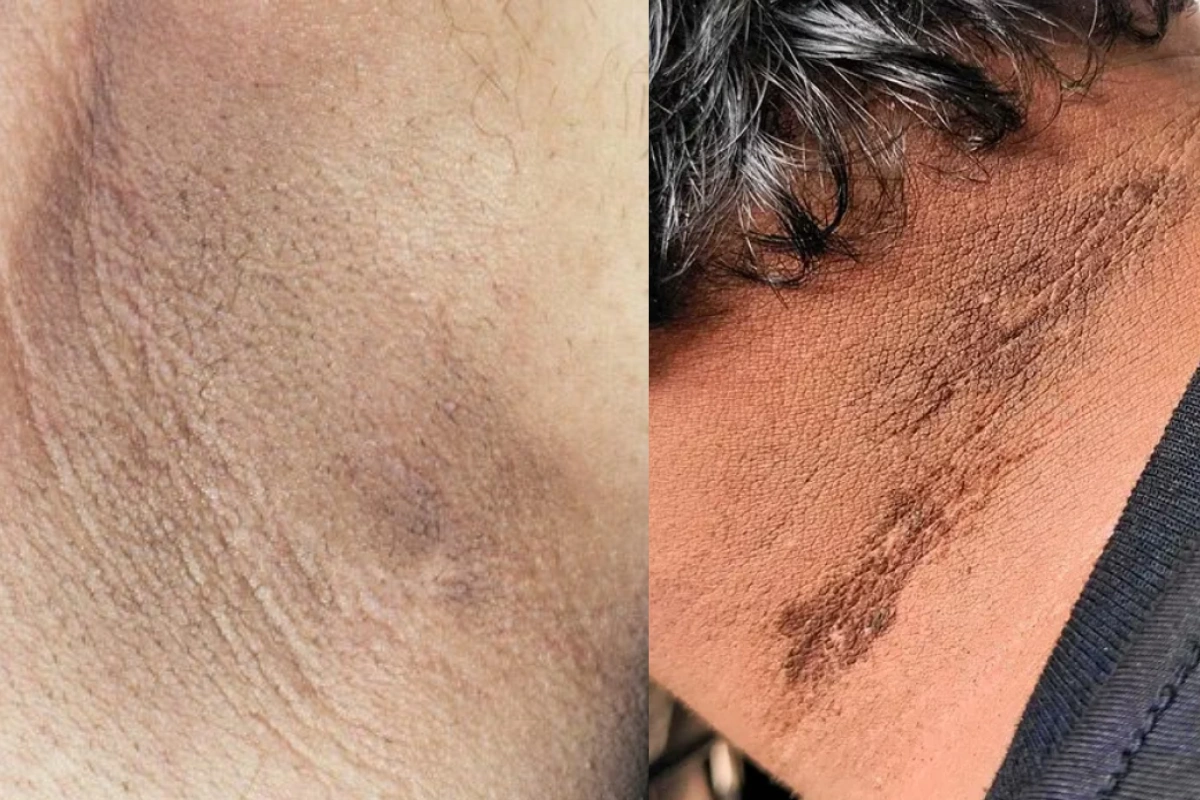
Diabetes: To many of us, a slight darkening of the skin around the neck, elbows or underarms is nothing more than a cosmetic issue, friction or poor hygiene. But what if your skin is telling you something deeper and horrifying about your overall health? These dark patches could be early warning signs of insulin resistance, which is a key precursor to pre-diabetes and type 2 diabetes.
Diabetes-What Are These Dark Patches?
Acanthosis nigricans (the health condition characterized by dark skin patches on the body) is usually noticed in areas where the skin folds such as the knuckles, groin, armpits or neck.
These skin patches are linked strongly to insulin resistance, a condition where your body cells stop responding effectively to insulin. As a result, the pancreas starts producing more insulin to compensate. This could trigger skin cells to multiply more rapidly, resulting in the visible darkening and thickening.
DON'T MISS
The Gut–Insulin Connection
The gut is responsible for digestion while also playing a central role in regulating inflammation, glucose metabolism and hormonal balance. An unhealthy gut that is usually marked by high sugar intake, poor diet, chronic stress and processed foods could lead to systemic inflammation.
This, in turn, interferes with insulin signalling, which makes your body less responsive to insulin. An imbalanced gut microbiome can increase sugar cravings, worsen insulin resistance, promote fat storage and disrupt blood sugar regulation.
Early Warning Signs You Shouldn’t Ignore
Dark patches on the skin are just one piece of the puzzle. You should not ignore:
- Persistent fatigue, especially after meals
- Increased hunger or sugar cravings
- Difficulty losing weight despite effort
- Fat accumulation around the abdomen
- Brain fog or low energy levels
Can It Be Reversed?
You need to follow the below tips and precautions:
- Shift towards whole, unprocessed foods. Emphasize fibre-rich vegetables, fruits, whole grains, nuts and seeds. Reduce refined sugars, white flour and ultra-processed snacks that spike blood sugar levels.
- Include probiotic-rich foods like yogurt, kefir, fermented vegetables, and traditional Indian foods like kanji or homemade pickles. Prebiotic foods such as garlic, onions, bananas and oats help nourish beneficial bacteria.
- Avoid long gaps between meals and focus on balanced plates that include protein, healthy fats and complex carbohydrates.
- Regular physical activity improves insulin sensitivity. Even simple practices like brisk walking, yoga or strength training can make a noticeable difference over time.
- Chronic stress and poor sleep disrupt hormonal balance, including insulin function. Mindfulness practices, deep breathing and consistent sleep routines are often underestimated but powerful tools.
If you notice persistent dark patches that don’t improve with basic skincare, it’s wise to consult a healthcare professional.
Disclaimer: This content, including advice, provides general information only. It is not a substitute for a qualified medical opinion in any way. The methods and claims mentioned in this article should be considered as suggestions only; DNP India neither confirms nor denies them. Always consult a doctor before following any such suggestions/treatments/medications/diets.