

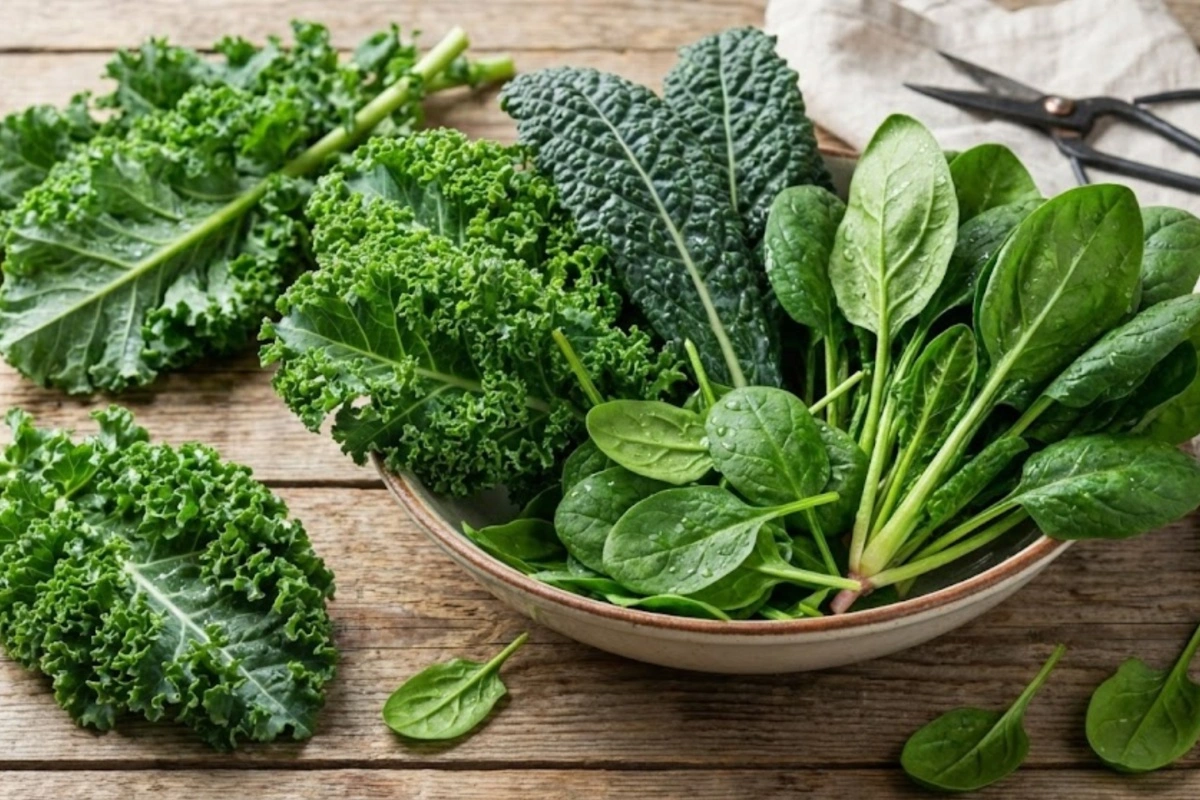
Diabetes: High blood sugar often feels confusing. You eat carefully, yet numbers still spike. A simple Instagram video can make many people pause and rethink what is already sitting on their plate. A health expert shares some everyday vegetables that can help slow sugar spikes in a natural way. No fancy foods or expensive supplements, just simple veggies from your local grocery store.
These vegetables are rich in fibre, minerals and plant compounds that help the body process sugar better. If you are managing diabetes or trying to prevent it, these foods could support your daily routine.
Let us break it down in a clear and easy way.
View this post on InstagramDON'T MISS
5 Best Vegetables For Diabetes Management
According to the expert, vegetables work quietly inside the body. They do not cure diabetes. But they help control how fast sugar enters the bloodstream. This matters a lot for people dealing with insulin resistance or unstable glucose levels.
First on the list is kale. Often called the king of leafy greens, kale is packed with fibre and antioxidants. Fibre slows down how quickly sugar gets absorbed. This helps avoid sudden spikes. You can blend kale into a smoothie, toss it into a salad, or saute it with garlic.
Next is spinach. Spinach is very low in carbohydrates. It is also rich in magnesium. Magnesium helps the body use insulin more efficiently. That makes spinach a smart choice for blood sugar balance. Add it to omelettes, soups or even pasta dishes.
Then comes broccoli. Many people see broccoli as boring. But it contains sulforaphane. This plant compound may help repair blood vessel damage caused by high blood sugar. You can roast it, steam it, or turn it into soup. Your body benefits either way.
More Vegetables That Work Like A Sugar Shield
The fourth vegetable is okra. Some people call it nature’s blood sugar sponge. The sticky fibre inside okra slows how fast sugar enters the blood. This gentle slowdown helps avoid sharp spikes. Grill it, cook it in soups or lightly fry it.
Last on the list are Brussels sprouts. These tiny cabbages are rich in vitamin C, fibre, and antioxidants. They help cells respond better to insulin. Roasting them with olive oil and a pinch of sea salt makes them both tasty and healthy.
The expert ends with an important reminder. These vegetables are not a cure, but tools. When combined with balanced meals, regular movement and medical advice, they support better blood sugar control.
Managing diabetes is not about fear. It is about smarter daily choices. Sometimes, the most powerful changes begin with what you add to your plate.