


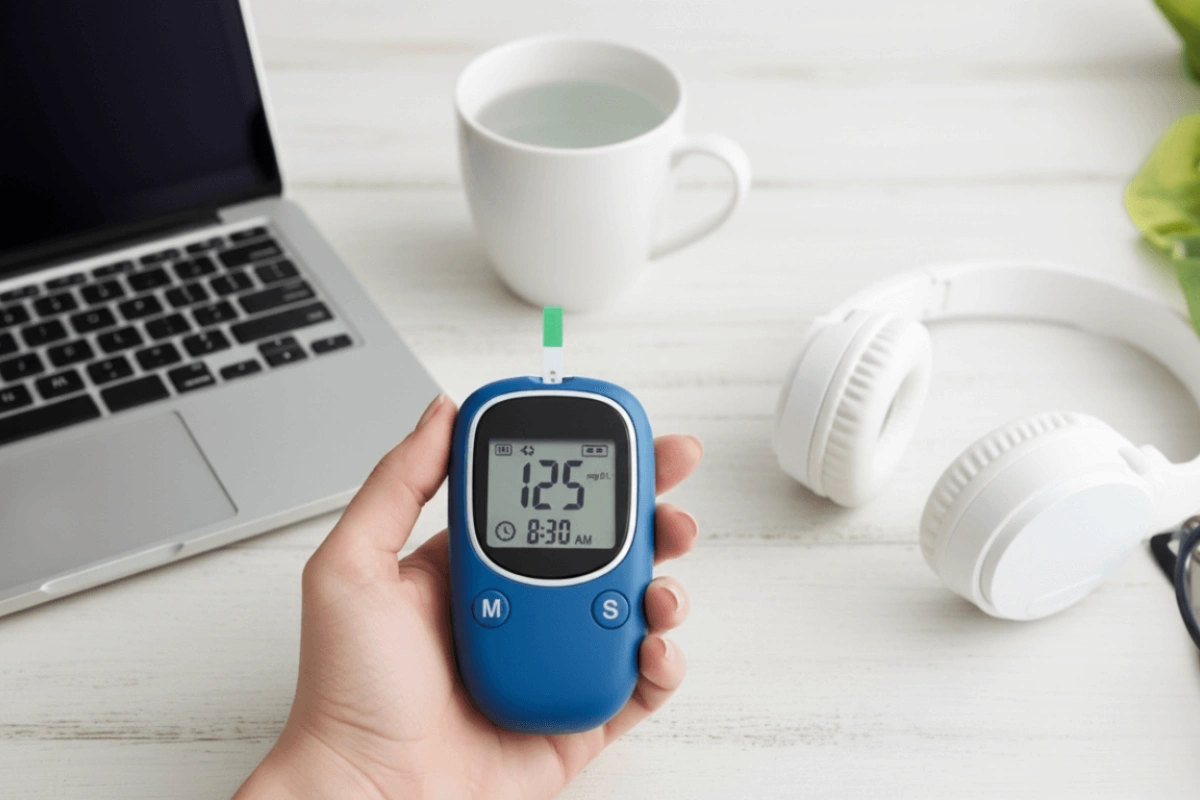
Diabetes Management: If you or anyone close to you has been suffering from diabetes, you must have realized by now that the health condition is not just about avoiding sugar but also about creating a healthy balance. No wonder, health experts across the world suggest that diabetics should focus on stabilizing blood sugar levels through mindful, consistent habits instead of extreme restrictions.
In a recently shared video on Instagram, a leading nutrition coach talks about the best and free ways to manage diabetes naturally.
Diabetes Management-The Power of a Post-Meal Walk
One of the most neglected tools for blood sugar control is a post-meal walk. Taking a brisk 10-20 minute walk after your meals could be highly useful to reduce post-meal glucose spikes. This is primarily because your muscles start utilizing glucose for energy when you walk.
DON'T MISS
This helps in clearing sugar from your bloodstream in a more efficient and effective way. Furthermore, it helps you reduce the burden on insulin while preventing those sharp blood sugar spikes that may cause fatigue and cravings.
The Apple Cider Vinegar Advantage
In recent years, Apple cider vinegar (ACV) has gained attention for its role in blood sugar management. Taking diluted ACV twice a day, preferably before meals, could help in improving insulin sensitivity. Moreover, it could help in slowing down the digestion of carbohydrates. This would mean that glucose could easily enter the bloodstream more gradually, preventing sudden spikes.
If the taste of ACV is too strong for you, a pinch of cinnamon or a few drops of lemon juice may be good choices. Under no circumstances, you should consume ACV undiluted as it may irritate your throat and damage tooth enamel.
Intermittent Fasting with a Low-Carb Approach
Ideally, you should pair intermittent fasting with a low-carb diet. The intake of low carbs reduces the amount of glucose entering the system, which makes it easier to maintain stable blood sugar levels. For beginners, a 12:12 or 14:10 fasting schedule is a safe starting point. This means fasting for 12–14 hours and eating within a 10–12 hour window.
- You should include a variety of fibre sources such as green leafy vegetables, seeds like chia and flax, whole legumes and cruciferous vegetables such as broccoli, cauliflower, cabbage, Brussels sprouts, kale, bok choy and arugula.
- Ideally, you should engage in Soleus Raises. For this, you would need to sit with your feet flat on the ground and repeatedly lift your heels while keeping your toes planted. This activates the soleus muscle, which can use glucose directly from the bloodstream for extended periods without fatigue.
Disclaimer: This content, including advice, provides general information only. It is not a substitute for a qualified medical opinion in any way. The methods and claims mentioned in this article should be considered as suggestions only; DNP India neither confirms nor denies them. Always consult a doctor before following any such suggestions/treatments/medications/diets.


 has gained attention for its role in blood sugar management.)