

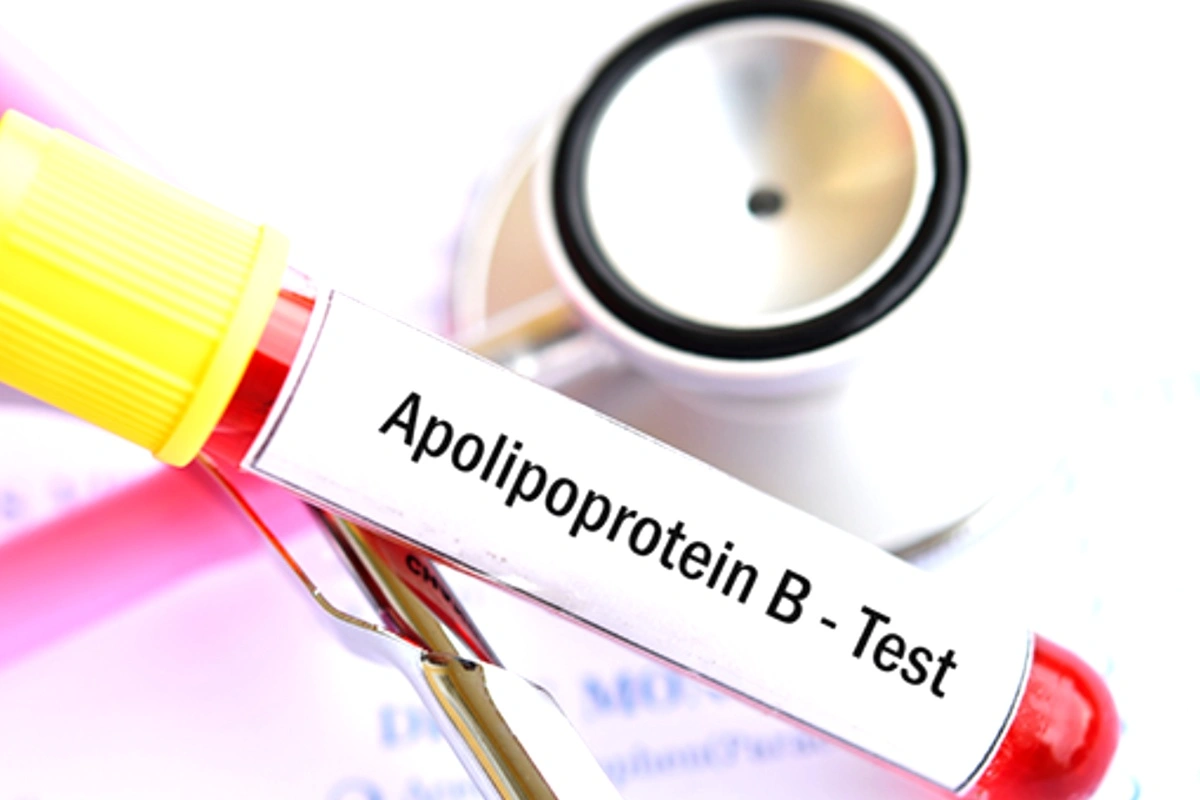
In recent years, doctors have started talking more about ApoB in blood test reports, especially when checking heart health. Many people know about cholesterol, LDL, and HDL, but ApoB is still unfamiliar to most. However, experts say this marker may give a clearer picture of heart disease risk than traditional cholesterol tests. Because of this, awareness about ApoB is growing fast.
Heart disease remains one of the leading causes of death worldwide. That is why doctors are now looking beyond regular cholesterol numbers. They say ApoB can show hidden risk even when other reports look normal. Here is a simple guide to understand what it is, why it matters and who should check it.
What Is ApoB And Why Are Doctors Talking About It
ApoB stands for Apolipoprotein B. It is a protein found in particles that carry fat and cholesterol in the blood. These particles include LDL, VLDL and other lipoproteins that can build up inside arteries.
These particles move cholesterol throughout the body. But when their number becomes too high, they can stick to artery walls and form plaque. Over time, this plaque buildup can lead to a heart attack, stroke or other cardiovascular diseases. Studies have shown that higher Apolipoprotein B levels are strongly linked to atherosclerosis, a condition in which arteries become narrow and blocked.
There are two main types of Apolipoprotein B in the body – ApoB48 and ApoB100. They are made in the intestine and liver. Both help in carrying fats, but ApoB100 is the one mostly connected with heart disease risk.
Why ApoB May Be More Important Than Cholesterol
Most people check heart health using LDL cholesterol, often called “bad cholesterol“. But doctors say LDL alone does not always show the full picture.
According to Harvard Health Publishing, the ApoB test counts the number of harmful particles, while LDL only measures how much cholesterol those particles carry. This means a person may have normal LDL levels but still have many small particles in the blood. These small particles can increase the risk of blockage.
DON'T MISS
Each LDL particle carries one ApoB molecule. So when doctors measure ApoB, they are actually counting the number of dangerous particles in the blood. Because of this, ApoB is considered a more accurate marker of heart risk in many cases.
Research also shows that Apolipoprotein B can predict heart disease risk better in people with diabetes, obesity, high triglycerides, or metabolic syndrome.
ApoB Levels And What They Say About Heart Risk
Doctors use Apolipoprotein B values to understand the chances of heart disease. As per Harvard Health,
- A level below 90 mg/dL is considered healthy
- 90–129 mg/dL is borderline
- Above 130 mg/dL may mean a higher risk of heart problems
People with high ApoB usually have more plaque-forming particles in the blood. This increases the chances of blocked arteries.
Studies also show that ApoB testing can find risk even when cholesterol looks normal. Because of this, many cardiologists recommend the test for people with a family history of heart disease.
Who Should Check And Why It Is Becoming Important
Doctors may suggest an ApoB test if you have
- Family history of heart disease
- Diabetes or insulin resistance
- High triglycerides
- Obesity or metabolic syndrome
- Normal cholesterol, but signs of heart risk
Experts say these conditions can hide danger in standard lipid tests. ApoB can reveal the real number of harmful particles in the blood.
Medical guidelines in recent years have started recognising ApoB as an important marker. Some studies in Europe and the US say ApoB may predict heart disease better than LDL cholesterol in certain patients. Because of this, doctors are now using more detailed blood markers instead of only total cholesterol.
In simple words, Apolipoprotein B is a small number in your blood report, but it can give very big information about your heart health. Checking it on time may help detect risk early and prevent serious problems later.