


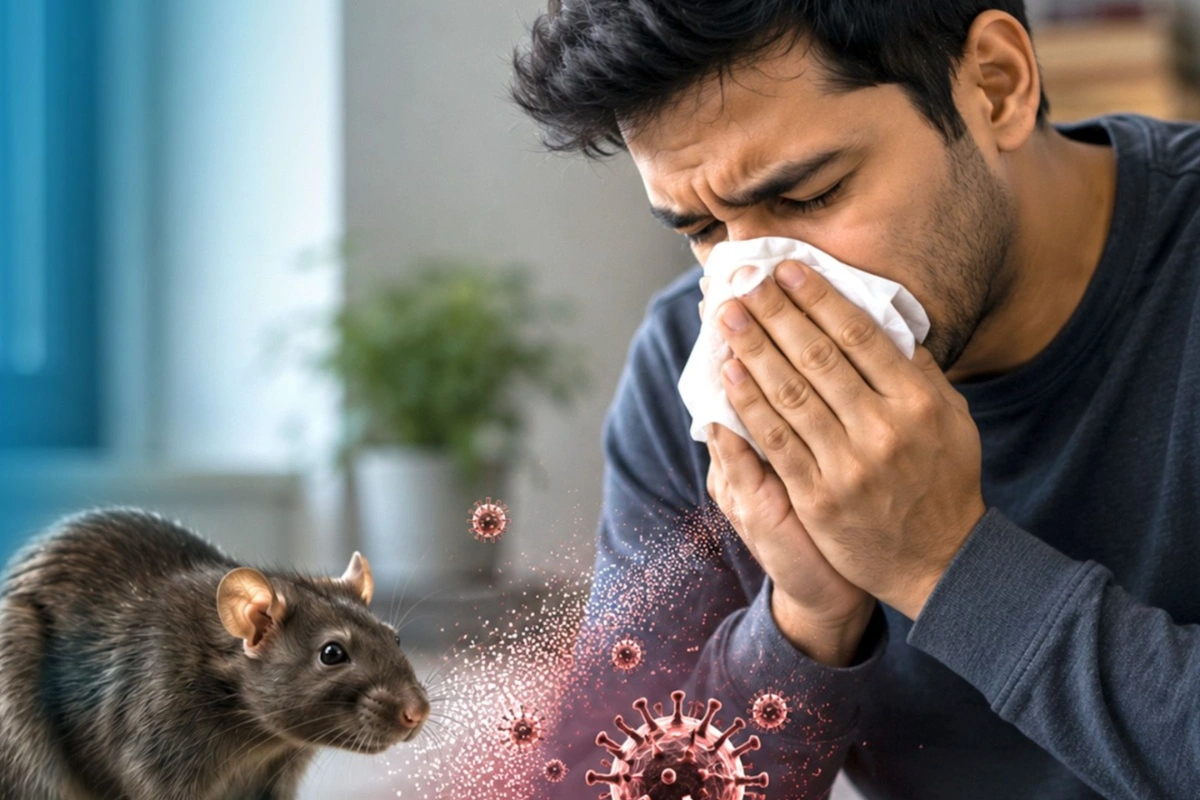
News about a mysterious virus outbreak on a cruise ship near the Canary Islands has triggered panic online, with many people wondering whether the world could be heading towards another pandemic. The virus at the centre of the concern is Hantavirus, a rare but serious infection linked mainly to rodents.
As fear spreads on social media, former AIIMS director Dr Randeep Guleria has now addressed the situation and urged people not to panic unnecessarily. According to him, while the outbreak is being closely monitored by international health authorities, the chances of Hantavirus turning into a global pandemic remain extremely low.
The recent scare is linked to the cruise ship MV Hondius, where several passengers reportedly developed Hantavirus infection symptoms during a journey from Argentina towards the Canary Islands. Reports suggest that at least eight cases, including three deaths, have been linked to the outbreak so far.
Hantavirus Outbreak: What Former AIIMS Director Said
Dr Guleria explained that Hantavirus is mainly a rodent-borne viral infection. Humans usually get infected after coming into contact with rodent saliva, urine or droppings. The infection can affect the lungs and kidneys and may lead to severe respiratory illness in some cases.
However, he clarified that human-to-human transmission is extremely rare. According to the doctor, only one strain, known as the Andes Hantavirus has shown limited evidence of person-to-person spread, and even that remains under debate among experts.
Dr Guleria stressed that there is currently no reason for widespread fear. He said international agencies are already monitoring the outbreak carefully, and the likelihood of a large-scale epidemic or pandemic is considered very low.
View this post on InstagramDON'T MISS
The World Health Organisation and other global health agencies are also tracking passengers because the virus has a long incubation period. Some countries have reportedly introduced quarantine and monitoring measures for returning travellers.
Prevention And Safety Measures
Experts say prevention mainly depends on avoiding exposure to rodents and contaminated areas. Dr Guleria advised people to be especially careful while cleaning places where rodents may be present.
He recommended using masks and protective equipment while handling dusty spaces, storage rooms or areas containing rodent droppings. According to health experts, inhaling particles contaminated by rodent waste is one of the main ways Hantavirus spreads.
The current outbreak reportedly involves Hantavirus Pulmonary Syndrome, a severe respiratory condition associated with the Andes strain. Although the disease has a high fatality rate, experts continue to maintain that the overall global risk remains low.
For now, health officials are focusing on surveillance, isolation and monitoring to prevent further spread. Doctors also continue to remind people that awareness and hygiene are the best ways to stay protected without falling into panic.