Neuralink: Elon Musk, the founder of Neuralink, has remarked that it is now possible to restore full body functionality in individuals diagnosed with physical disabilities.
Musk went on to add that high-volume of Neuralink devices will start soon. He added that they would move to an almost entirely automated and streamlined surgical procedure in 2026. Previously, Musk has claimed that more than 1,000 implants would be achievable by 2026.
DON'T MISS
What is Neuralink?
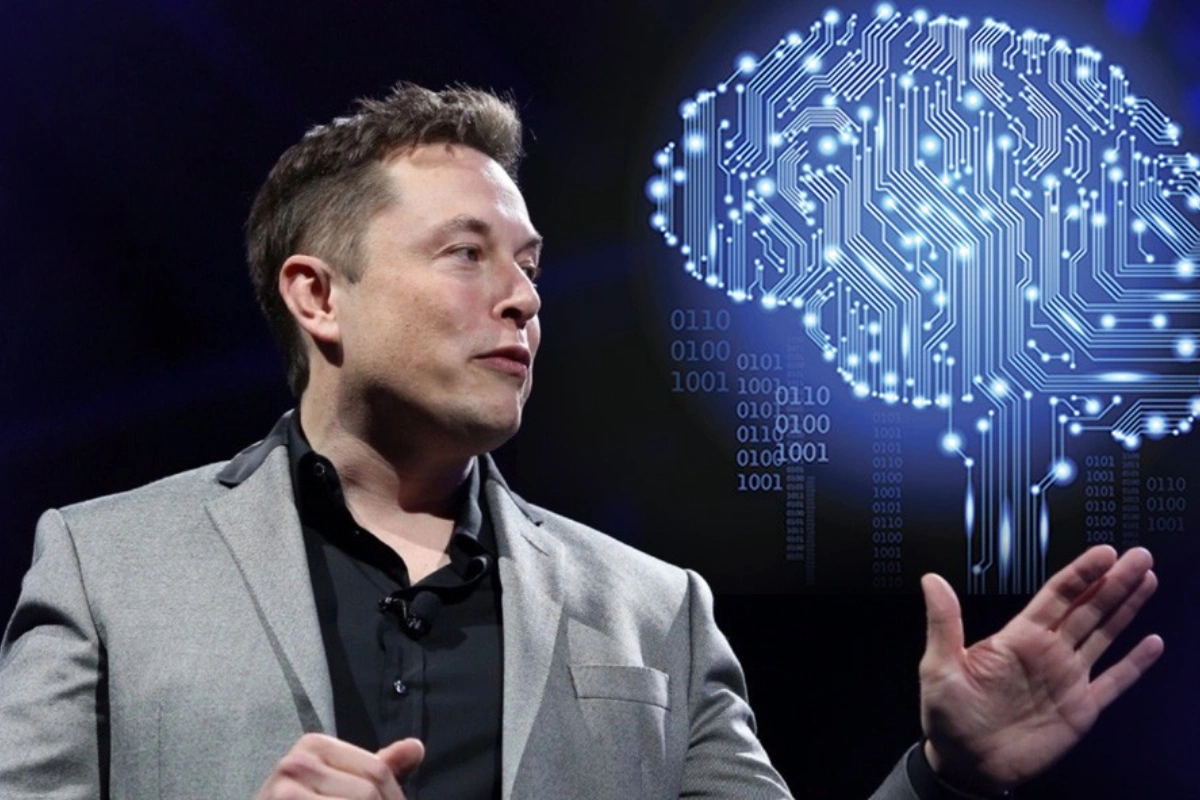
Neuralink represents a groundbreaking brain-computer interface (BCI) technology leap. It is capable of translating neural signals directly into actionable command that can help restore full body functionality for individuals with physical disabilities, bypassing damaged muscles or nerves.
It helps in decoding thoughts to control devices, limbs or prosthetics by implanting ultra-thin threads into the human brain. In short, Neuralink offers hope where traditional medicine falls short.
Restores Mobility and Independence
The implant helps in empowering paralyzed individuals so they can quickly and easily regain control over their bodies via thoughts alone. For those with severe spinal cord injuries, the device would read motor cortex signals before routing them to robotic limbs or exoskeletons, enabling grasping objects or walking.
This would help in restoring physical freedom while fostering social reintegration and emotional resilience while combating isolation at the same time.
Enhances Communication
For non-verbal people with health conditions such as Amyotrophic lateral sclerosis (ALS) or locked-in syndrome, the implant can be used for translating the activities of the brain into speech or text at near-neutral speeds. It will help users to “type” messages or exercise control over virtual keyboards by thinking.
Some possible use cases of Neuralink would include the treatment of neurological disorders such as epilepsy, anxiety, Parkinson’s disease or depression. It can also be used to dismantle communication barriers, help artists create digital works mentally, or assist stroke survivors dictate emails.