


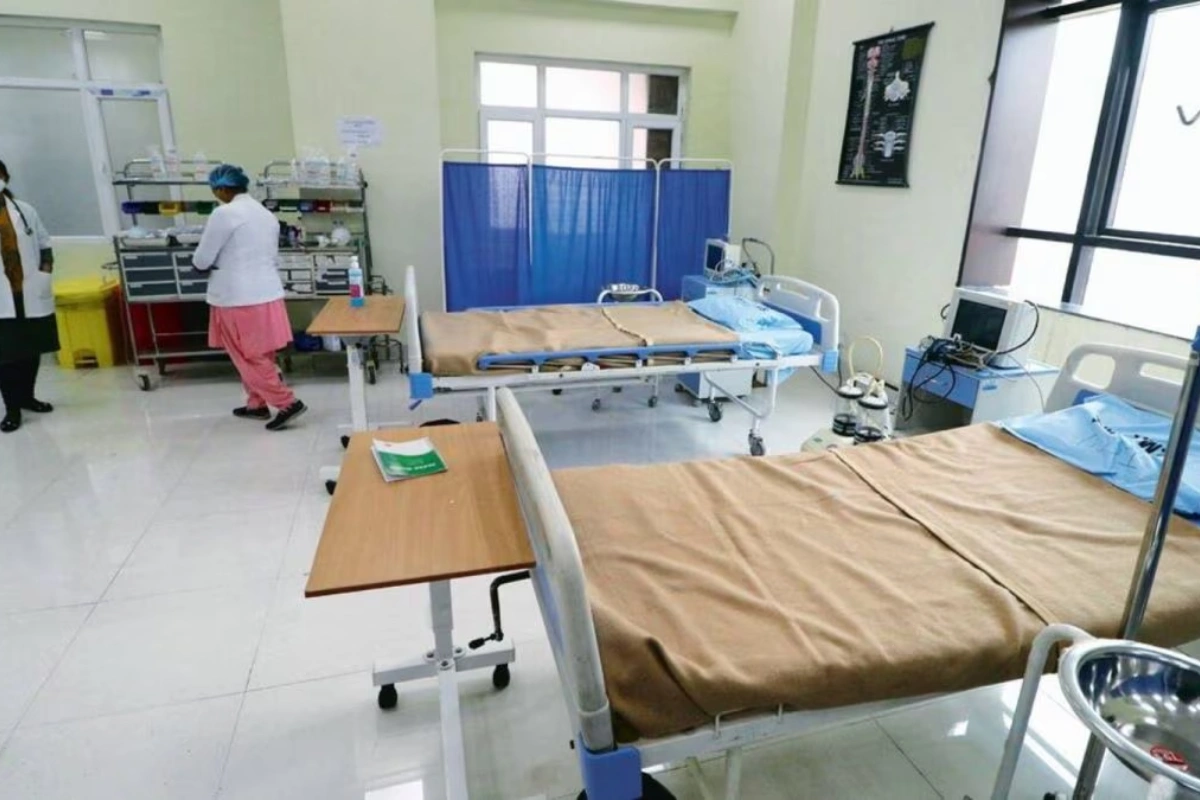
Nipah Virus: A doctor, a health staff member and a nurse have been infected with the fatal Nipah Virus in the state of West Bengal. A female nurse from Purba Bardhaman district’s Mongolkot and a male nurse from Purba Medinipur district continue to stay in the Intensive Care Unit (ICU). More than 100 people have been quarantined in West Bengal and health authorities that the virus may have emerged from Bangladesh.
What is Nipah Virus?
A zoonotic disease, the virus primarily gets transmitted from fruit bats to humans and animals. It can spread via the consumption of fruits or raw date palm sap that is contaminated with bat urine or saliva.
DON'T MISS
Some of the possible symptoms of Nipah Virus include headache, high fever, breathing difficulty, altered mental status, severe neurological consequences, sore throat and cough. The advisory added that individuals who have been diagnosed with severe symptoms or respiratory distress must be immediately referred for advanced medical care after being isolated.
How To Prevent Nipah Virus?
The virus can be prevented by washing fruits before consumption, protecting animal feed against bats and other animals, drinking chlorinated and boiled water and protecting sab, juice collection sites and wells from bats. It is equally important to wear protective clothing whenever cleaning or handling animals or animal sheds. Furthermore, it is important to make sure personal protection while contacting infected people.
Individuals should avoid any kind of direct contact with a NIV-infected person. Raw date palm juice should be avoided and toddy such as liquids must be kept in open pots. Individuals should also avoid the consumption of contaminated and half-eaten fruits that have fallen from trees.
Nipah Virus Health Advisory-Jharkhand
In the wake of growing Virus cases in West Bengal, the state health department of Jharkhand has issued an advisory.
Ajoy Kumar, the additional chief secretary of the Jharkhand Health Department, remarked there is an urgent need for constant surveillance, strict preparedness and early detection given the highly infectious nature of Nipah Virus.