

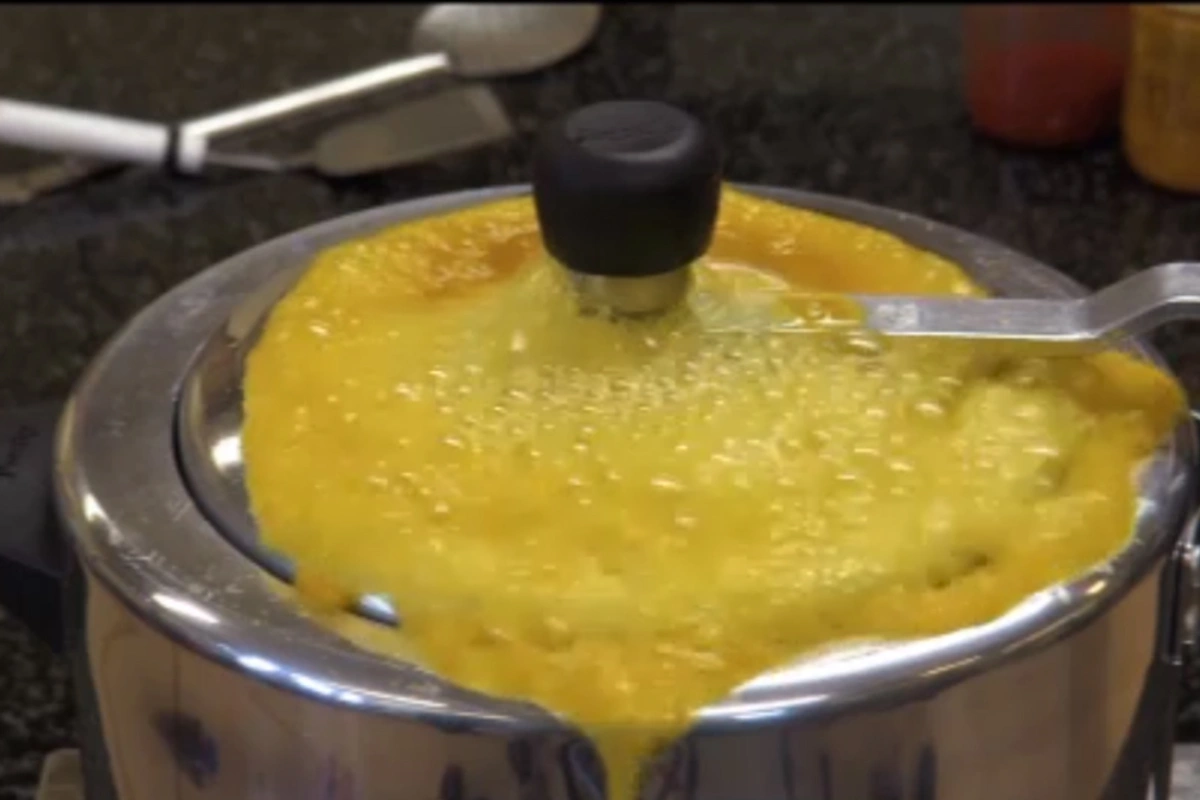
Pulse Starch Pressure Cooker: Pulses, which are a dietary staple in Indian cuisine, are classified as nutrient-dense legumes that are rich in fibre, protein and essential minerals. In the recent past, many so-called influencers have suggested that cooking pulses in pressure cookers can be extremely harmful. These misconceptions often stem from partial or half-told truths about starch digestion and pulse cooking methods.
Debunking Starch Harm Myths
Starch in pulses is primarily complex carbohydrates that tend to break down slowly, unlike refined starches. One of the most common myths that people believe in is related to the assumption that pulse starch can spike blood sugar levels dangerously or may cause bloating akin to “industrial starch.” However, natural starch in pulses pairs with protein and fibre, reducing glycaemic impact.
DON'T MISS
Antinutrients such as lectins or phytates exist but soaking and cooking pulses neutralize them effectively that helps preserve benefits without causing gut damage. In fact, several studies have demonstrated that low-GI legumes can aid metabolic health.
Pulse Starch Pressure Cooker Safety Facts
Pressure cookers tend to speed up the process of pulse cooking by raising boiling points, which helps in retaining up to 90 percent more nutrients than open-pot boiling because of sealed steam and shorter times.
Far from harmful, pressure cooking helps in minimizing antinutrients better, prevent nutrient leaching and enhance digestibility.
Health Benefits of Pulse Starch
The resistant starch in cooked-and-cooled pulses acts like fibre to feed gut bacteria and stabilize blood sugar. Rich in potassium, iron and folate, they help combat anaemia and heart disease. Unlike processed carbohydrates, pulse starch supports satiety, aiding weight management without “belly fat” myths.
Best Cooking Practices
Ideally, pulses should be soaked for 4-8 hours. Thereafter, they can be cooked in a pressure cooker for 3-4 whistles (approximately 10-20 minutes). Cumin seeds or turmeric can be added to aid digestion and boost flavour.
Disclaimer: This content, including advice, provides general information only. It is not a substitute for a qualified medical opinion in any way. The methods and claims mentioned in this article should be considered as suggestions only; DNP India neither confirms nor denies them. Always consult a doctor before following any such suggestions/treatments/medications/diets.