

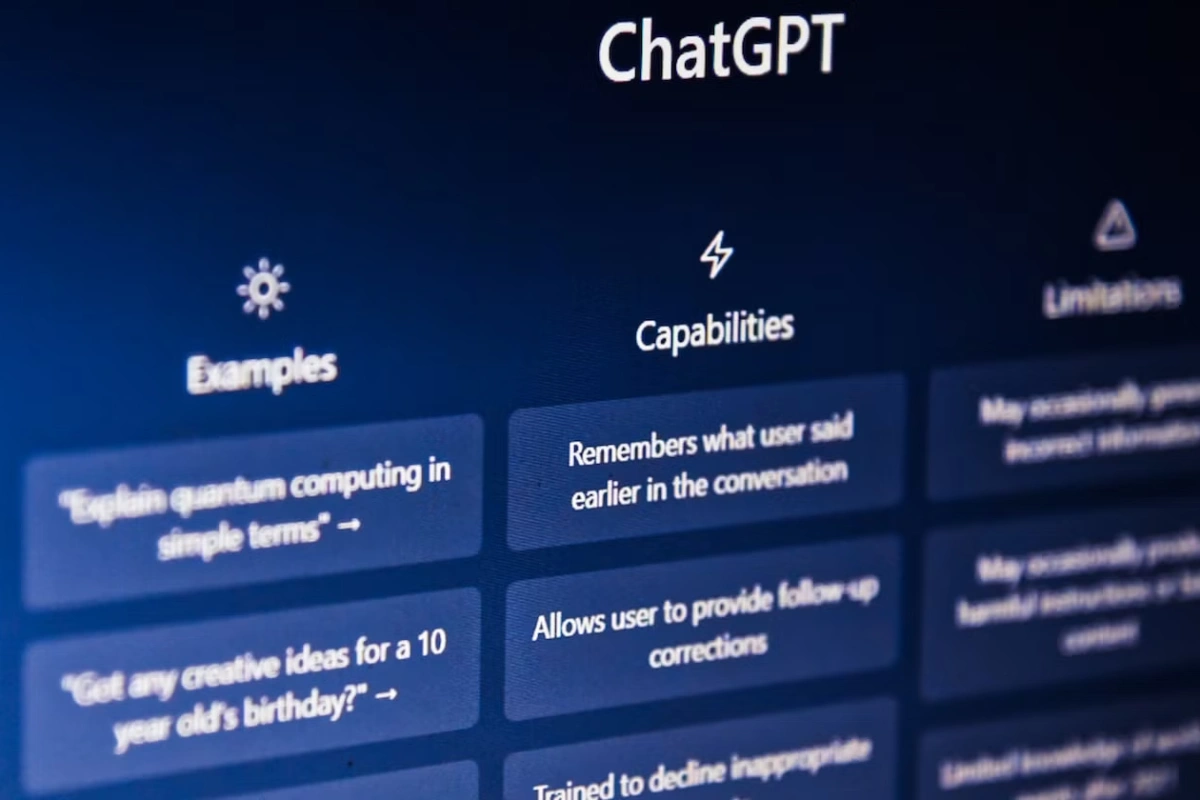
ChatGPT: In the last few years, artificial intelligence has leapt from science fiction into everyday life. ChatGPT, one of the most visible artificial intelligence tools, can generate essays, summarize research and help with homework – and even answer health questions. But as its popularity grows, so does concern: Should you really trust ChatGPT when it comes to something as serious as your health?
In a video shared on Instagram, a reputed Robotic GI Surgeon shares on the dangers of trusting ChatGPT’s health advice.
What ChatGPT Can Do Well?
AI models like ChatGPT are incredibly powerful tools for information processing.
DON'T MISS
1. Fast Access to General Knowledge
ChatGPT can summarize medical guidelines, explain terminology and provide overviews of conditions. This is because the model has been trained on vast amounts of text, including health content, enabling it to explain complex ideas in plain language.
2. Clarifying Baseline Concepts
For many people, simply understanding what a diagnosis means can be anxiety-inducing.
ChatGPT can:
- Define medical terms
- Describe common symptoms
- Outline typical diagnostic steps
- List lifestyle or dietary recommendations
This type of foundational guidance can empower patients to ask better questions during appointments, turning passive consumers of healthcare into active participants.
3. Non-Judgmental Support
Some patients are hesitant to ask doctors ‘embarrassing’ questions. ChatGPT offers a space to explore concerns without fear of embarrassment or judgment, particularly for sensitive issues like digestive problems or pelvic pain.
Where ChatGPT Falls Short?
Despite its capabilities, ChatGPT has major limitations, especially when it comes to personalized medical care.
1. It’s Not a Doctor-It Doesn’t Diagnose
This is the biggest caveat the surgeon emphasized: ChatGPT cannot perform a clinical evaluation.
Medical diagnosis requires:
- Taking a detailed history
- Physical examination
- Reviewing lab results and imaging
- Understanding nuances in symptom patterns
ChatGPT can’t interact with a patient in these ways nor can it observe subtle signs that might dramatically change a clinical impression.
2. Information May Not Be Up to Date
Medical science evolves rapidly. New research, guidelines and treatments emerge constantly. ChatGPT’s knowledge is frozen at a certain point in time and isn’t updated in real-time like a clinician’s continuing education. This means recommendations may be outdated, incomplete, or overly general.
Disclaimer: This content, including advice, provides general information only. It is not a substitute for a qualified medical opinion in any way. The methods and claims mentioned in this article should be considered as suggestions only; DNP India neither confirms nor denies them. Always consult a doctor before following any such suggestions/treatments/medications/diets.


