

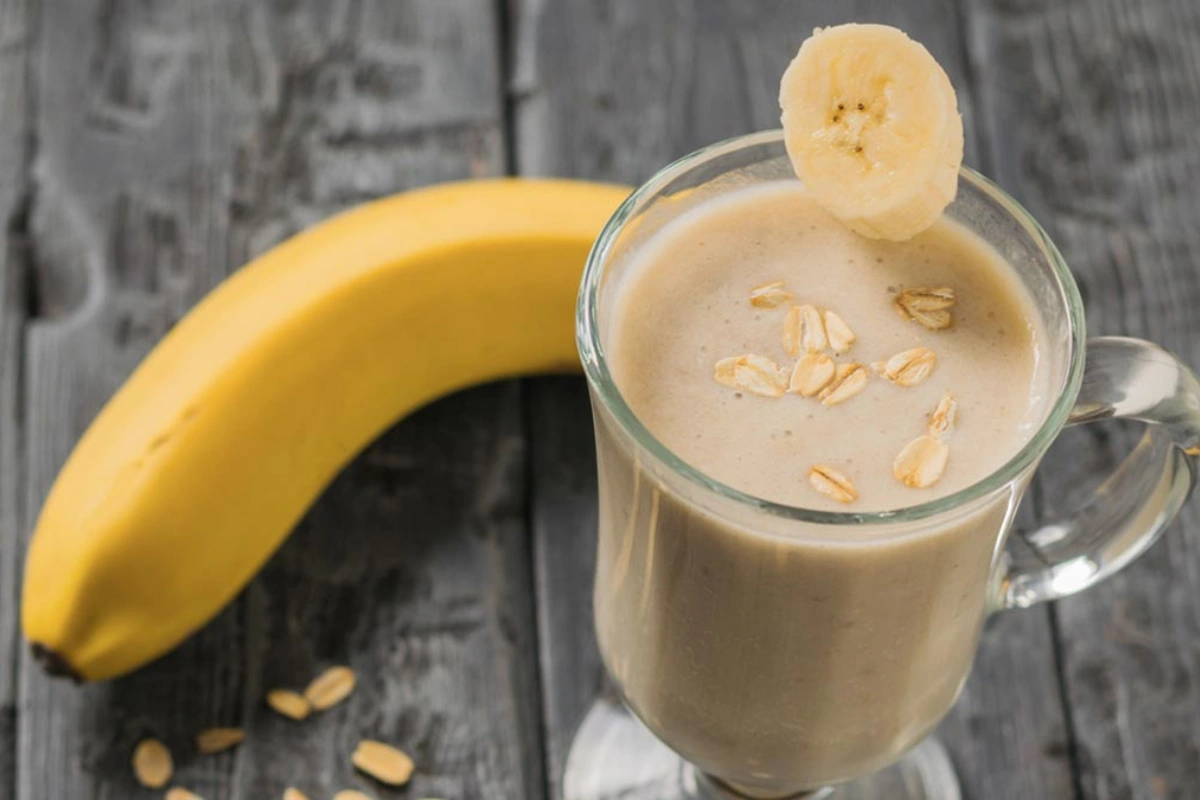

Banana vs Banana Shake: For gym-goers and each one of us, bananas are among the most widely consumed foods. After all, bananas are affordable, calorie-dense, energy-rich and dense in fibre and potassium. Often bananas are marketed as energy boosters and healthy breakfast when blended with milk, sugar or spices, but there lies many differences between whole banana and banana shake.
Let us explore the major differences between whole banana and banana shake in terms of blood sugar response, digestion and long-term metabolic health.
A 120-g medium banana offers around 105 kcal, 27h carbohydrates, 1.3g protein, 0.4g fat and 3g fibre while also being rich in potassium, vitamin B6, vitamin C, magnesium, and antioxidants like dopamine and flavonoids. Whole bananas digest slowly because of their starch and fibre, resulting in a moderate rise in blood glucose and a longer-lasting satiety effect.
DON'T MISS
In contrast, a typical banana shake (1 banana, 1-2 teaspoon sugar and 200ml full-fat milk) contains 250-300 kcal, 6-10g fat, 8-10g protein and 30-35g carbohydrates. It features higher calcium and vitamin D but also much more calories and sugar. If you prefer to add ice cream, honey or cream, the sugar and calorie content can exceed 40g sugar and 35 kcal per serving.
Banana vs Banana Shake-Why Banana Shake Is Harder to Digest?
Banana and milk form a “heavy, kapha-increasing and cold” combination when consumed together, especially in blended or cold form. Banana is high in pectin and starch that can slow down gastric emptying and require robust digestive enzymes. On the other hand, milk is rich in fat and protein (casein) that is slow to digest and heavy, especially when cold.
When consumed in a blended form, organic acids and starch in banana can slightly curdle milk to form a sticky, mucus-like mass in the stomach to dampen agni (digestive fire) and delay digestion. This, in turn, can translate to gas, indigestion, bloating or sluggishness, especially in individuals with weak digestion or irritable bowel syndrome (IBS).
Ideal Way To Consume Banana Shakes
If you prefer banana shakes, you should replace sugar with jaggery, honey or dates. Use plant-based milks (oat, almond) or toned/low-fat milk and add warming spices such as cinnamon, cardamom or nutmeg to improve digestion and reduce kapha. Don’t consume banana shakes on an empty stomach and prefer warm milk over ice-cold preparations.
Ideally, it is best to ditch banana shakes and consume milk 1-2 hours after consuming a banana. This allow banana to be digested purely as a fruit without any form of interference from milk proteins. This would also reduce the risk of curdling and mucus formation; it would also reduce the risk of gas, indigestion, bloating and sluggishness.
Disclaimer: This content, including advice, provides general information only. It is not a substitute for a qualified medical opinion in any way. The methods and claims mentioned in this article should be considered as suggestions only; DNP India neither confirms nor denies them. Always consult a doctor before following any such suggestions/treatments/medications/diets.