

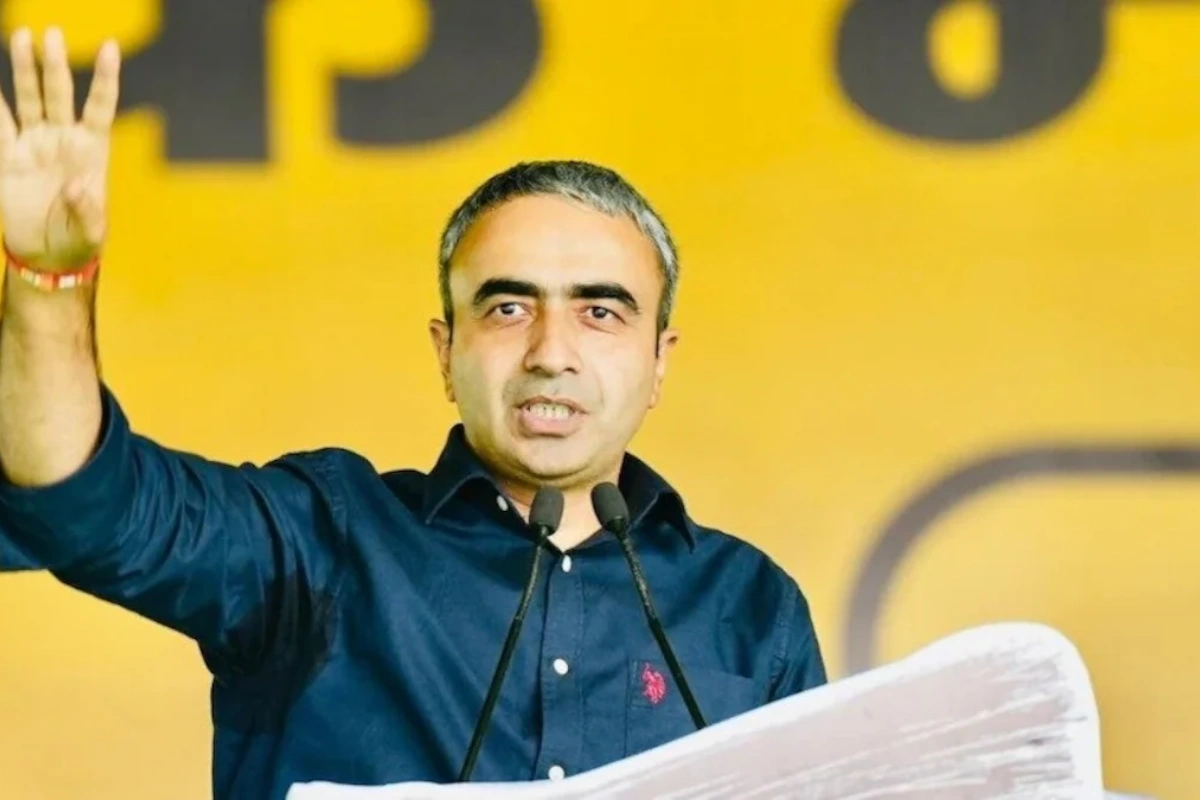
The political discourse on aviation safety has escalated after a senior leader of the Aam Aadmi Party, Anurag Dhanda, launched a scathing attack on the Bharatiya Janata Party (BJP), accusing the ruling party of keeping mum on the increasing number of air crash incidents in the country.
Anurag Dhanda, who is the national media spokesperson for the Aam Aadmi Party (AAP), questioned the government’s regulatory mechanism in the wake of recent aviation accidents. Dhanda’s comments have come at a time when there are increasing concerns about passenger safety and aviation standards in the growing aviation industry in India.
Anurag Dhanda Raising Accountability Questions
Dhanda specifically questioned the regulatory mechanism of the government on the increasing number of air crash incidents. He questioned, “Who is responsible for the lives of passengers?” He made it clear that the safety of the public cannot be compromised at any cost.
DON'T MISS
Dhanda did not mention any specific person in his statement, but he made it clear that the lack of safety standards in the aviation industry is a result of the failure of the BJP-led government. He said that passengers feel safe when they board an aircraft and that they should get full assurance that the aircraft is completely safe.
Political and Aviation Context
The Indian aviation industry has been under growing criticism for incidents, flight cancellations, and adherence to safety standards. The opposition parties, including AAP, have accused the central government of not giving proper explanations and remedying the situation after major incidents.
Though the BJP has held press conferences on past aviation incidents, it is also argued that some underlying problems are not being taken care of. Dhanda’s comments are the latest in a string of opposition-led criticisms against the government’s handling of public safety issues beyond aviation as well.
With air travel expanding at a rapid pace in India, the political discussion highlights a larger public concern: that accountability, vigilance, and safety must remain non-negotiable.