

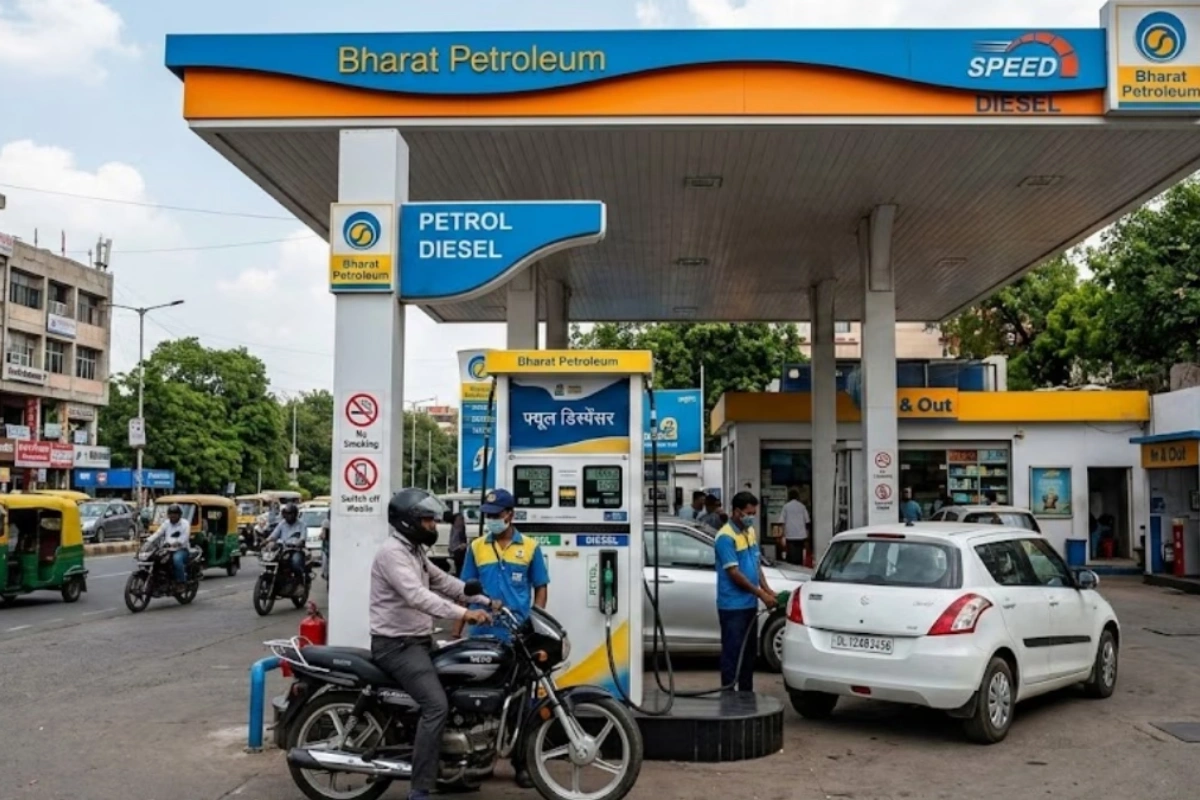
US Israel Iran War: The Union Government has slashed excise duties for diesel, petrol and aviation turbine fuel amid growing fears of a spike in fuel prices because of the ongoing US Israel Iran war.
US Israel Iran War-Petrol And Diesel Excise Duty Cuts
On Friday, the Narendra Modi led NDA government announced that excise duties for diesel and petrol have been slashed by Rs. 10 per litre each. This brings the centre-imposed taxes down to zero for diesel and Rs. 3 per litre of petrol.
The government also announced a new special additional excise duty on aviation turbine fuel with exemptions reducing the rate to Rs. 29.5 per litre.
DON'T MISS
Impact On Common Man-Would You Wallet Get A Breather?
The excise cuts are NOT likely to translate into reduced prices for the common man at fuel stations. This is primarily because the cuts would primarily be absorbed by oil marketing companies (OMCs) so they could offset heavy losses on pump sales.
Presently, OMCs are losing Rs. 48.8 per litre of diesel or petrol sold, in large partly because of the increase in the prices of Brent crude.
The excise duty cuts were announced after Nayara Energy, India’s largest private fuel retailer, increased diesel and petrol prices by Rs. 3 and Rs. 5.3 per litre. Nayara is backed by Russian enterprise Rosneft and Kesani Enterprises and has a market share of 8.4 percent.
Indian Petroleum Minister Hardeep Singh Puri commented that international crude prices have gone from $70 to $122 per barrel. Puri added prices have increased by 50 percent in African countries, 30 percent in North American countries, 20 percent in Europe and 30 to 50 percent in South East Asian countries.
Puri also remarked that the NDA government had two choices – either to increase prices significantly or bear the brunt on its finances so the common man stays protected from the volatility of the global markets.