

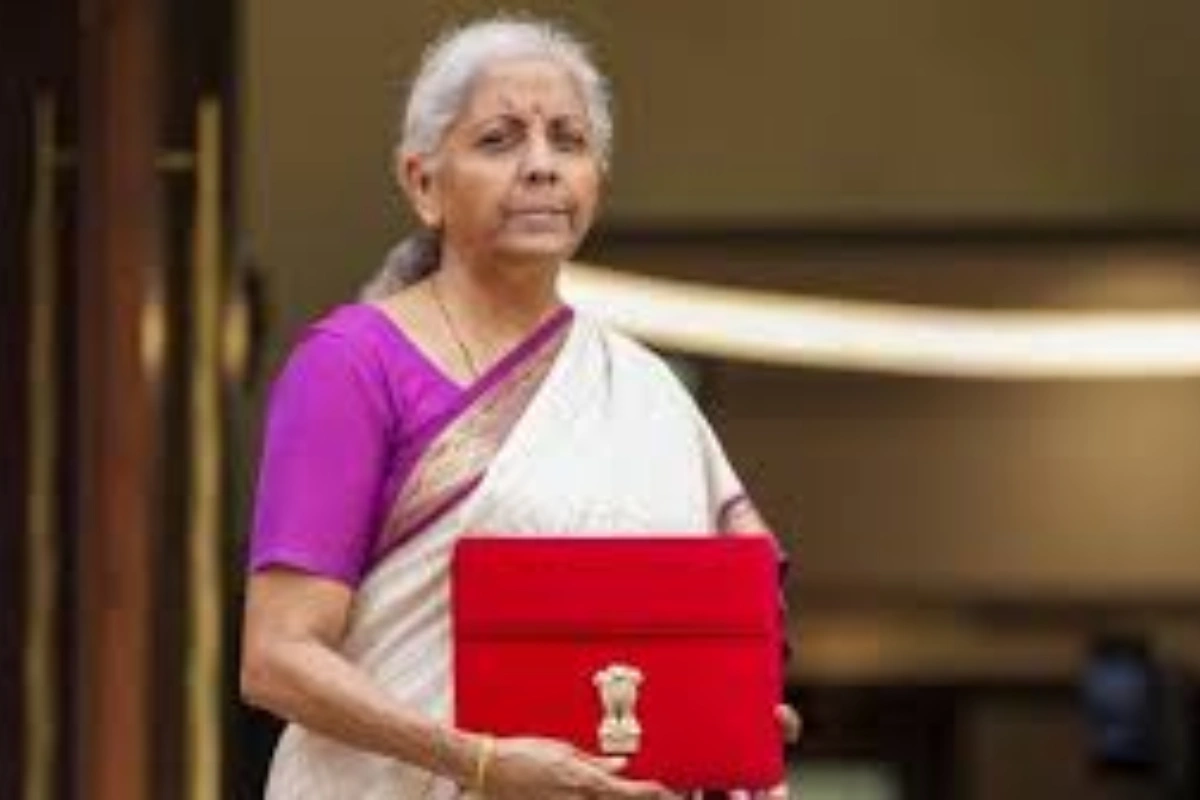
India’s Union Budget 2026 aims for robust growth, infrastructure investment, and green energy expansion. Finance Minister Nirmala Sitharaman highlighted GDP growth above 7% and fiscal consolidation under 4.5%, alongside job creation through skill programs. Yet for middle-class households earning ₹10-25 lakh annually, the benefits remain muted.
DON'T MISS
Stagnant Tax Slabs Hit Salaried Workers
Income tax brackets under the new regime remain unchanged since 2023: 5% for ₹3-6 lakh, 10% for ₹6-9 lakh, and 30% beyond ₹15 lakh. With inflation at 5.5%, purchasing power erodes, leaving middle-class earners paying similar taxes despite rising living costs. Standard Deduction stays at ₹75,000, and HRA benefits remain capped, straining urban households in cities like Mumbai and Delhi.
Rising Costs from Green Mandates and Subsidy Shifts
Budget 2026 introduces stricter carbon taxes and EV incentives skewed toward premium models. This could push fuel and electricity costs higher, indirectly affecting households. Fertiliser subsidy reductions contribute to an 8% YoY rise in food prices. Middle-class buyers of affordable EVs or hybrid cars receive little benefit from the green push.
Limited Support for Housing, Savings, and Education
Programs like PMAY urban primarily aid low-income groups. EMIs for middle-income homebuyers remain high with repo rates at 6.25%. Retirement savings face limits with no increase in 80C or NPS caps. While private education loans retain interest subvention, tuition fees continue to climb, affecting families’ financial planning.
Growth Over Immediate Relief
Budget 2026 prioritises long-term infrastructure and green initiatives, but disposable income for the urban middle class may shrink by 2-3%. Experts suggest exploring fixed deposits (7.5% yields) and gig economy upskilling to mitigate pressures. For India’s salaried backbone, the reality is cautious optimism amid constrained relief.