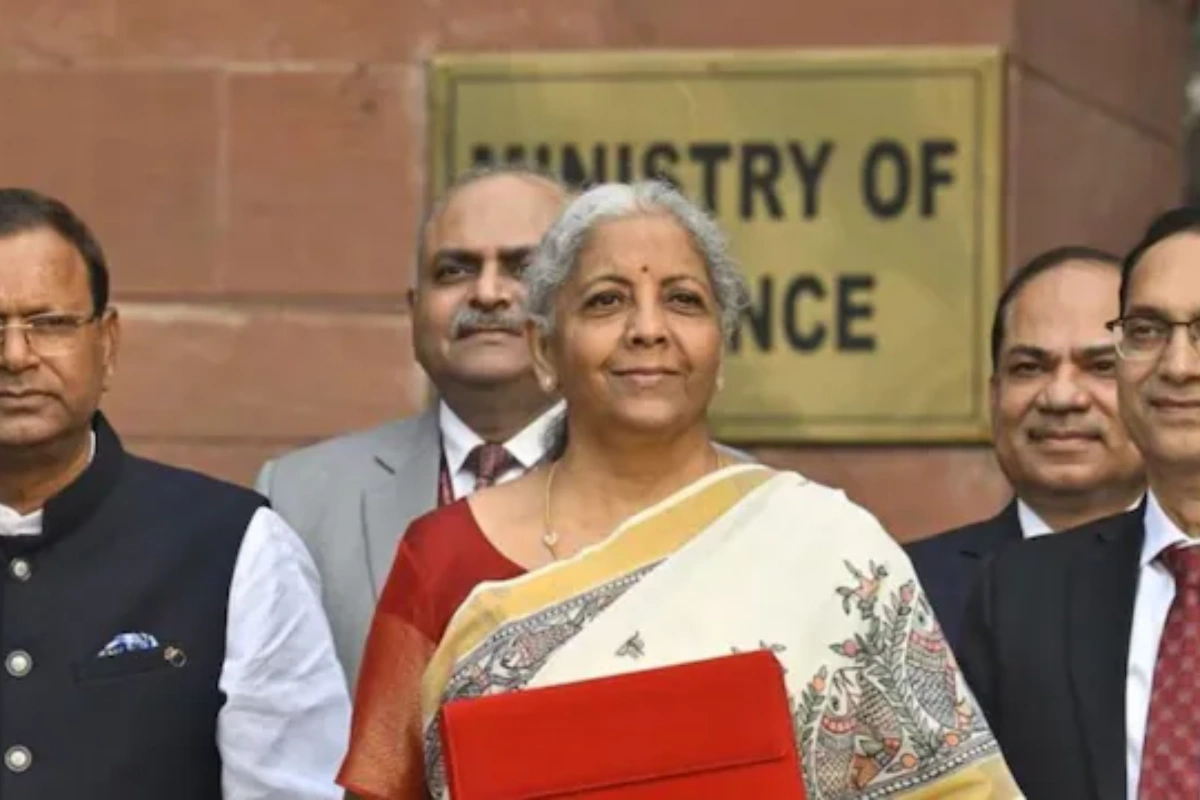
Finance Minister Nirmala Sitharaman’s Union Budget 2026 speech, delivered today, February 1, reflects a strong tilt toward structural reforms and long-term economic growth rather than immediate consumption-led relief for the middle class. The budget narrative prioritises capital expenditure, employment creation, agriculture productivity and energy security amid global uncertainty and domestic fiscal constraints.
DON'T MISS
Growth Over Tax Relief
Expectations of significant personal income tax relief, revised slabs, or large middle-class concessions were subdued in the speech. Instead, the finance minister emphasised public investment as the main growth engine, with capital expenditure projected to rise by 10–15 percent, potentially crossing ₹12 lakh crore. The approach signals a continuation of the government’s strategy to crowd in private investment through infrastructure-led expansion rather than tax sops.
Jobs, Manufacturing and MSMEs in Focus
Employment-led development featured prominently, with renewed focus on skill development, youth employability and manufacturing clusters. Measures aimed at strengthening MSMEs and improving logistics and export competitiveness were highlighted as tools to boost GDP and absorb labour, especially as private investment remains cautious due to global headwinds.
Agriculture and Rural Development Priorities
Agriculture allocations remain steady at around ₹1.5 lakh crore, reflecting fiscal prudence while maintaining focus on productivity, climate resilience and allied sectors. The budget builds on long-term trends of rising farm support through mechanisms such as MSP operations, PM-KISAN transfers and crop insurance rather than sharp headline increases.
Rural development expectations centred on employment through MGNREGA, rural housing under PMAY, and road connectivity projects. Support for farmer producer organisations, irrigation efficiency and agri-tech platforms like the Agri Stack underscores a shift from entitlement-heavy policies to system-level improvements.
Energy, Green Transition and Fiscal Discipline
Energy security, renewable expansion and nuclear power development form another key pillar, aligning economic growth with climate commitments. The budget also reflects caution on fiscal slippage, indicating limited room for large giveaways despite pressures from salaried taxpayers.