

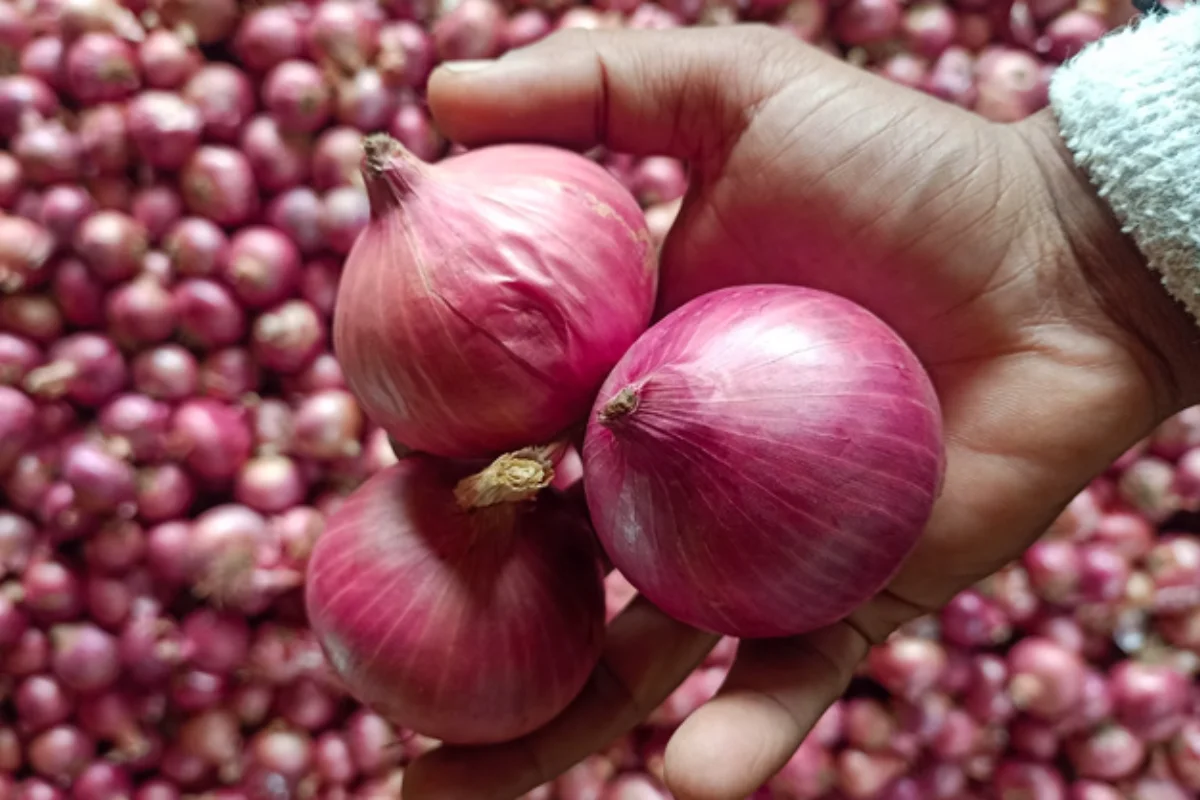
Onion Price: Onions depend on stored rabi stock until the fresh kharif crop reaches the mandis. This year, the monsoon was delayed, and kharif sowing was late. In Maharashtra’s Nashik district, one of India’s biggest onion regions, sowing was reported to be about 15 days late. Unseasonal rain also damaged some late-harvested onions in Maharashtra. With old stocks running low and the new crop not ready, fewer onions reached the market.
DON'T MISS
What the Numbers Show
Retail onion prices rose 82.3 per cent between June and mid-September, according to government data. The average retail price climbed from ₹29.50 to ₹53.78 per kg. In Kolkata, prices were above ₹50 per kg ahead of Durga Puja. Onion inflation rose from 22.5 per cent in July to 48.3 per cent in August.
Signs of Relief, With a Catch
On October 7, the Consumer Affairs Ministry said fresh kharif supplies had begun to ease prices. The weighted average mandi price in Maharashtra fell about 13 per cent, from ₹4,030 to ₹3,475 per quintal. Retail prices fell by ₹1 to ₹21 per kg in 126 cities. More recent market data shows the Lasalgaon modal price near ₹4,400 per quintal, which is firm and above the 30-day average. Delhi wholesale prices are in the mid-₹30 per kg range.
Government Steps
The Centre planned to release buffer stock from September, aimed at the period from Durga Puja through December. It targeted procurement of 2 lakh tonnes and raised the buying price by 13 per cent on July 4. Buffer onions were also set to reach Kolkata before the festival.
What Households Can Expect
Large kharif arrivals usually come in November and December, so prices may stay volatile until then. Weather and arrival patterns will decide how quickly they settle. Households can buy in modest quantities and avoid panic buying during the festival rush.


