


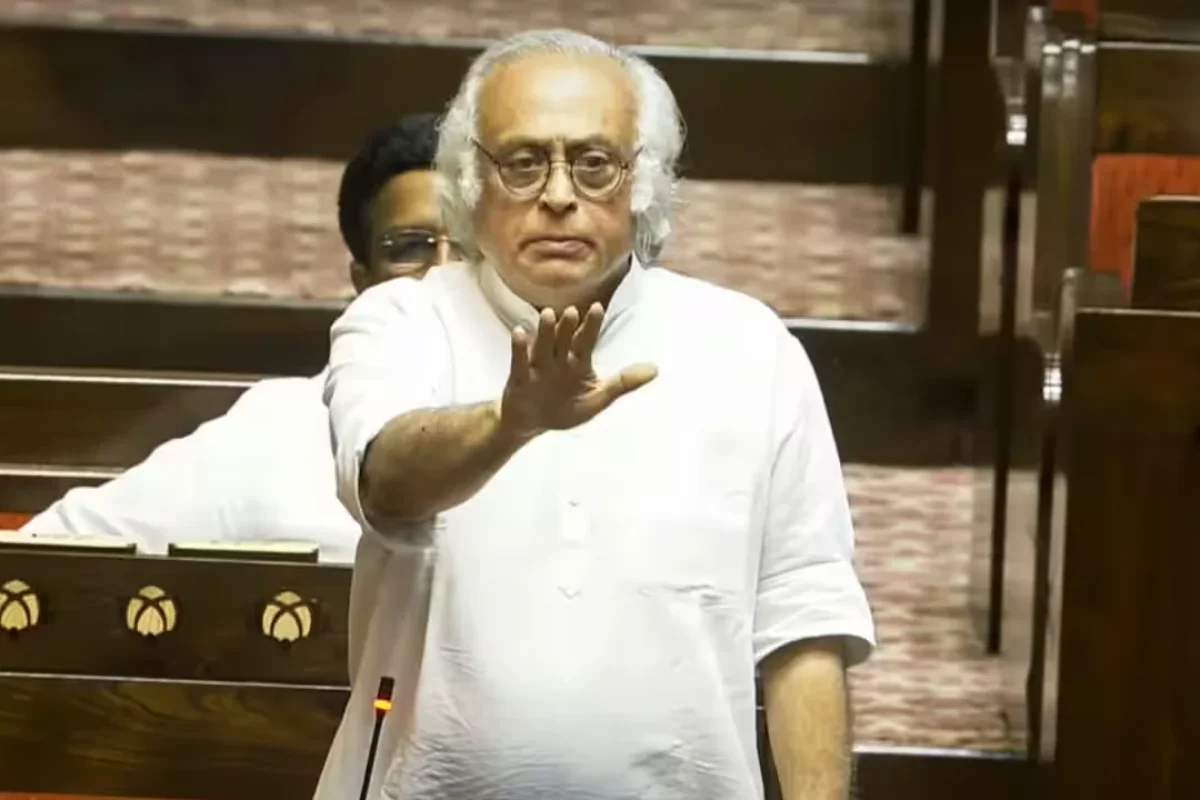
A 88-day Parliament break has created new political drama, with the Congress questioning the government’s motive in postponing the formally opening of the Monsoon Session. Congress leader Jairam Ramesh claimed that the suspended session might have been timed to buy the government time for the Centre to win the numbers necessary to pass the Delimitation Bills that the legislator described as “most damaging”.
Why Has Parliament Remained Open for 88 Days?
The Monsoon Session of Parliament started on July 20, 2026 and the Lok Sabha and Rajya Sabha were adjourned sine die on August 13. The session, however, had not been prorogued until then – a record set for 88 days, crossing 87 days (2008). A key difference is that in adjournment sine die the House is no longer sitting or has adjourned without setting a date to meet again. Proroguing formally ends a session.
DON'T MISS
Jairam Ramesh Challenges Delimitation Bills
Congress general secretary Jairam Ramesh also asked why the government permitted such a long period of time between adjournment and prorogation. The delay, he said, might enable Union Home Minister Amit Shah to gather two-thirds of the members needed for pass the Delimitation Bills. Ramesh also recalled the Opposition unity earlier that led to defeat of the constitutional amendment move of the ruling alliance on April 17, 2026. He cautioned that the Opposition would oppose it if the government went on to bulldoze the legislation.
What Is the Government Planning Through Delimitation?
The exercise is set to encompass the redrawing of parliamentary constituencies and have the potential to raise the 543-seat Lok Sabha to as many as 850. It had also been announced by the government that the delimitation exercise would be conducted and would be linked to the 33% reservation of seats for women in the Lok Sabha and state assemblies before 2029 general elections.The package of bills is proposed to contain a constitutional amendment, a new law on constituency delimitation, and the Union Territories.
What is the importance of a two-thirds majority?
The Constitution mandates a special majority for constitutional amendment. The Constitution (131st Amendment) Bill was passed in the April 17 vote with 298 votes in its favour and 230 votes against it. With 528 MPs voting, the Bill required a two-thirds majority of 352 votes to be passed.Hence the bills of the government failed to cross the threshold required in the Lok Sabha. If these bills are introduced again, they would also have to cross the constitutional threshold in the Rajya Sabha.