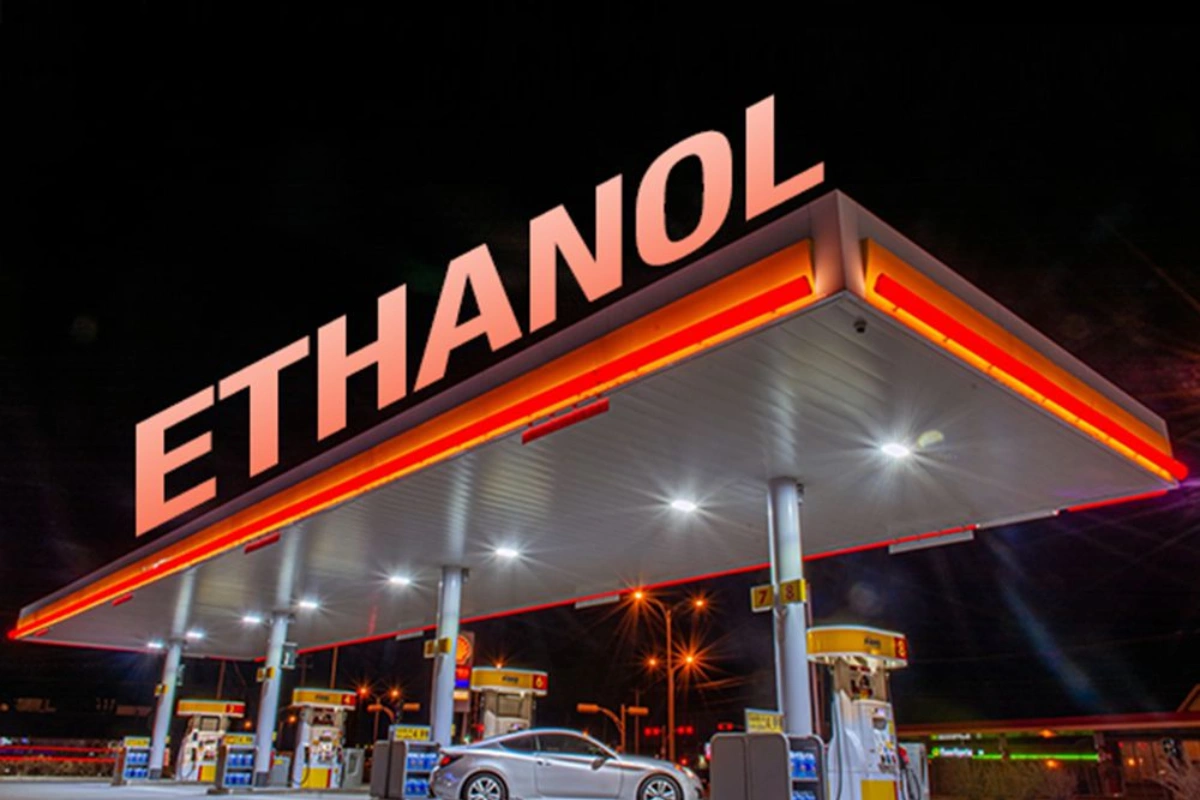
The Indian government has given a significant push to its green-energy roadmap by exempting variants of higher ethanol-blended petrol from the central excise duty. The move is for E22, E25, E27 and E30 fuels and comes after the rollout of E20 petrol as the next step in India’s ethanol-blending programme.
What does E22, E25, E27 and E30 mean?
The numbers indicate the percentage of ethanol mixed with conventional petrol.
DON'T MISS
- E22 is 22% alcohol
- Contains 25% Ethanol (E25)
- E27 is 27% ethanol
- E30 = 30% ethanol
These blends contain a greater proportion of biofuel than the E20 petrol currently being pushed, which is made up of 20% ethanol and 80% petrol.
Why Is India Betting Big on Ethanol?
India imports a substantial proportion of its crude oil requirements, thus leaving the country vulnerable to price shocks and geopolitical disruptions in the world.
The government intends to raise ethanol blending to:
- Reduce reliance on imported crude oil
- Enhance India’s energy security
- Cut transport carbon emissions
- Support the domestic sugar cane and agricultural sectors
- Promote cleaner and more sustainable fuel
The newest tax incentive is expected to encourage fuel companies to use more of the higher ethanol blends in the coming years.
Will fuel prices go down?
Not in the near future, anyway.”
While the government has removed excise duty on these higher ethanol blends, retail fuel prices are influenced by a number of factors, including crude oil prices, state taxes, refining costs and transportation costs.
Most drivers will not notice any difference right away. However, vehicles designed or calibrated to handle higher ethanol blends may be necessary for higher ethanol blends.
Car makers are already developing flex-fuel technologies and engines that can use fuels with higher ethanol levels efficiently. As these fuels become more readily available, vehicle compatibility will be more important to the consumer.