


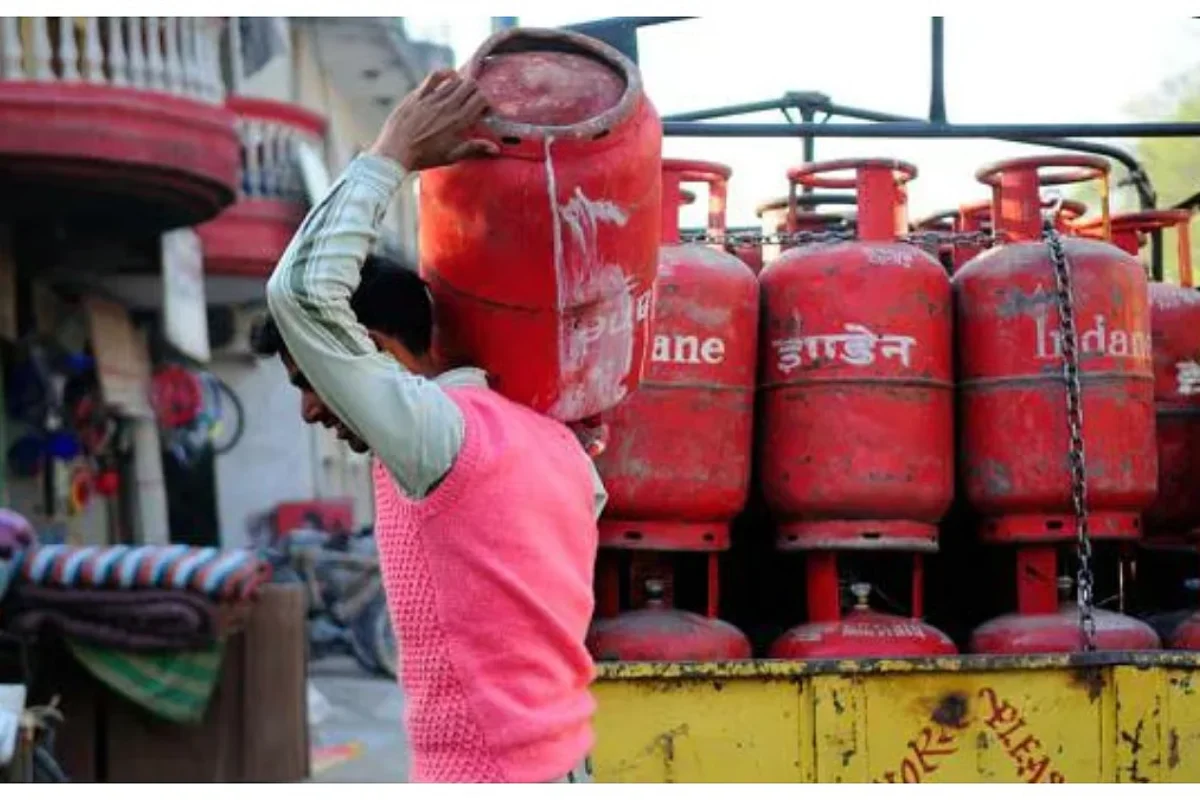
The festive season has begun, and your favourite restaurant’s bill may soon feel it. From October 1, 2026, the price of the 19-kg commercial LPG cylinder has been hiked, with the increase varying across cities. Home kitchens, however, get a break.
What Has Changed?
Oil marketing companies have raised the cost of 19-kg cylinders used by hotels, restaurants and food stalls. Delhi saw a hike of ₹62.50, taking the cost to ₹2,810.
New Commercial LPG Rates (19 kg)
| City | New Price | Increase |
| Delhi | ₹2,810 | ₹62.50 |
| Mumbai | ₹2,764 | ₹63 |
| Kolkata | ₹2,954 | ₹70 |
| Chennai | ₹2,983 | ₹66.50 |
| Patna | ₹3,100.50 | ₹71.50 |
Patna recorded the highest increase among the key cities.
DON'T MISS
Why Restaurants Are Feeling the Heat
Cooking gas is a daily expense for restaurants, caterers and roadside eateries. The revision will increase their monthly fuel costs. This is also the second such hike in the past two months, and it lands just when demand peaks. Small food businesses have thin margins, so they may be forced to choose between absorbing the cost and raising menu prices.For diners, the effect could be small: a slightly costlier thali, tea or snack. Bigger chains and caterers may revise prices more noticeably.
Relief for Homes
Households can relax. The 14.2-kg domestic cylinder continues to cost ₹942 in Delhi, ₹941.50 in Mumbai and ₹957.50 in Chennai. Your kitchen budget stays steady this month.
Why Do LPG Prices Change Every Month?
Prices are revised monthly by Indian Oil, Bharat Petroleum and Hindustan Petroleum. They depend on international fuel benchmarks, freight costs and foreign exchange movements. When global gas prices or the rupee’s value shift, the cylinder price follows.
How Can Businesses Cope?
- Track cooking times and switch off burners when not in use.
- Service stoves regularly so gas isn’t wasted.
- Place bulk orders early where possible, and plan menus around fuel-efficient dishes.