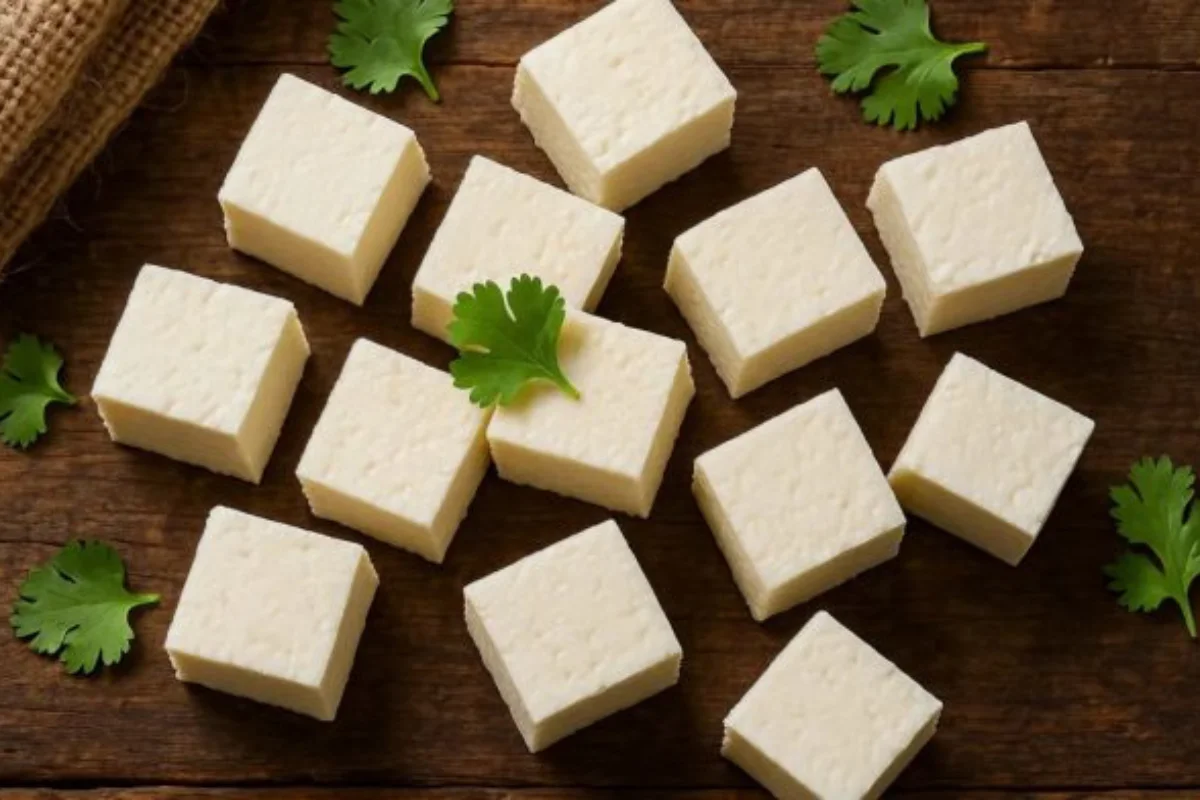
India’s food safety regulator is preparing to pull vegetable-oil-based “analogue paneer” out of the dairy aisle for good. The Food Safety and Standards Authority of India (FSSAI) has finalised a proposal to ban the sale of analogue paneer nationwide and phase out manufacturing by licence holders who currently produce it, a move that could reshape how one of India’s most widely consumed protein sources is made, sold, and served.
DON'T MISS
What Exactly Is Analogue Paneer
Analogue paneer is a factory-made substitute designed to look and feel like real paneer, but made by replacing milk fat and milk solids with vegetable oils, such as palm oil, along with starch, stabilisers, emulsifiers and artificial whiteners. Genuine paneer, by contrast, is made by curdling fresh milk with an acidic agent like lemon juice, citric acid or vinegar, preserving its natural protein and fat content.
How Regulators Plan To Catch It
FSSAI’s Central Advisory Committee finalised its ban proposal in October 2025, with formal adoption confirmed on March 2, 2026, under FSSAI CEO Rajit Punhani. To detect the fake product, the regulator is relying on two scientific markers: fatty acid profiling and a beta-sitosterol test. Beta-sitosterol is a plant compound naturally present in vegetable oils but almost absent in pure milk fat, typically staying below 5 parts per million.
Why The Regulator Is Acting Now
Paneer is one of India’s primary sources of dietary protein, and officials say the health stakes of widespread substitution are significant. Analogue paneer typically contains higher levels of trans fats and hydrogenated oils, along with lower protein and calcium content than real paneer, raising concerns around cholesterol, heart health, and digestive issues linked to added starches.
What This Means For Restaurants And Shoppers
If the nationwide ban goes into effect, restaurants and street food vendors will need to stop using vegetable-oil-based paneer substitutes entirely, a shift that raises raw material costs given the price gap between real and analogue versions.