


India has strongly rejected the latest ruling by the Hague-based Court of Arbitration on the Indus Waters Treaty, stating that the tribunal has no jurisdiction over India’s sovereign decisions.
The Ministry of External Affairs said the Court of Arbitration was “illegally constituted” and that India does not recognise its authority. New Delhi also reiterated that its decision to keep the Indus Waters Treaty in abeyance remains in force.
India Rejects Hague Tribunal’s Authority
The latest dispute centres on the 1960 Indus Waters Treaty, which governs the sharing of the Indus river system between India and Pakistan.
India has maintained that the arbitration body was established in violation of the treaty’s provisions. The government said it has never recognised the tribunal’s legal existence and has refused to participate in its proceedings.
DON'T MISS
According to India, the tribunal has no authority to issue decisions concerning the country’s sovereign actions or infrastructure projects.
Hague Tribunal Says Indus Waters Treaty Remains in Force
The Hague-based arbitration panel has ruled that the Indus Waters Treaty remains legally valid and cannot be unilaterally suspended.
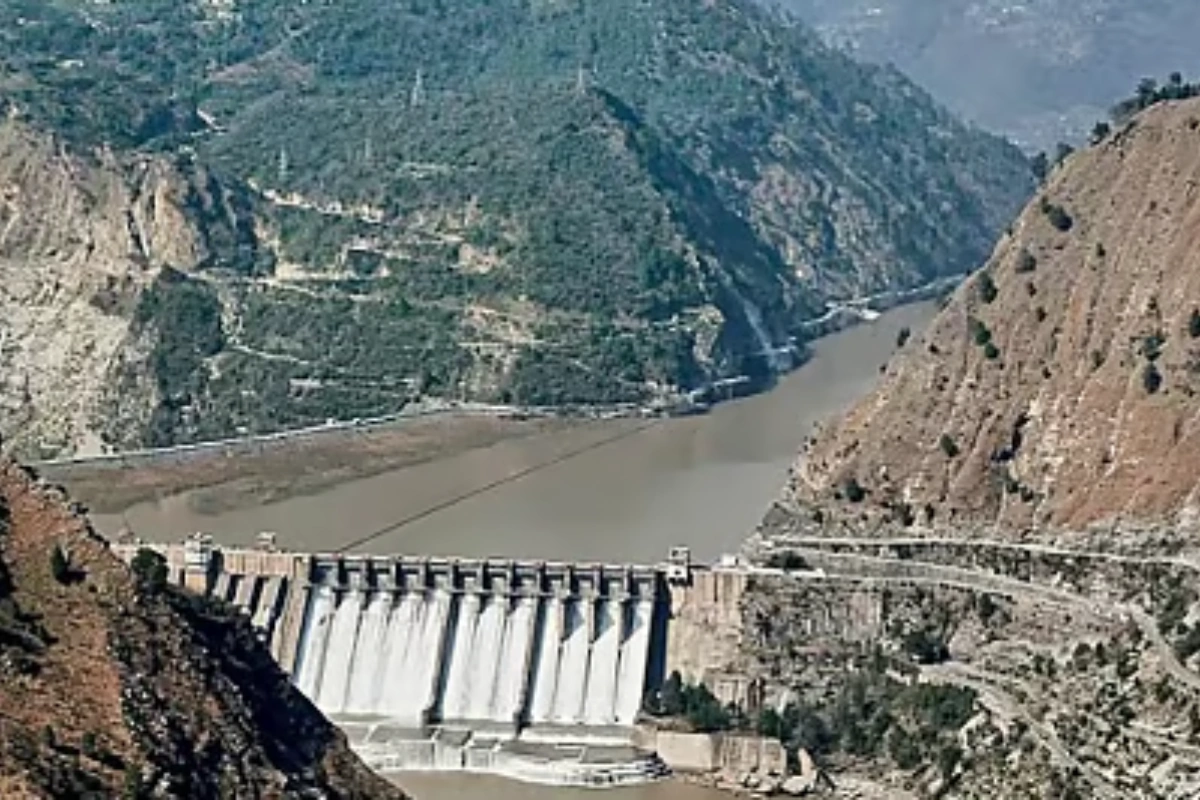
The panel also called for restrictions on certain construction activities related to India’s hydroelectric projects in Jammu and Kashmir while questions concerning their compliance with the treaty are examined.
The ruling has created a sharp legal and diplomatic disagreement between India’s position and that of the arbitration panel.
Why India Put the Treaty in Abeyance
India placed the Indus Waters Treaty in abeyance following the April 2025 Pahalgam terror attack, which significantly worsened relations between India and Pakistan.
New Delhi has repeatedly said that the treaty cannot continue under the existing circumstances and that its decision to keep the agreement in abeyance remains unchanged.
Pakistan, meanwhile, has continued to maintain that the treaty remains binding and has supported international proceedings concerning the agreement.
Indus Waters Treaty: A Long-Standing Agreement
The Indus Waters Treaty was signed by India and Pakistan in 1960 with the World Bank playing a key role in facilitating the agreement.
The treaty established arrangements for the use and sharing of waters from the Indus river system. It has remained an important part of India-Pakistan relations for decades, despite wars, diplomatic disputes and periods of severe tension.
The latest legal confrontation has once again placed the future of the water-sharing framework under the spotlight.
India-Pakistan Water Dispute Intensifies
India’s rejection of the Hague ruling is expected to further intensify the diplomatic dispute between New Delhi and Islamabad.