

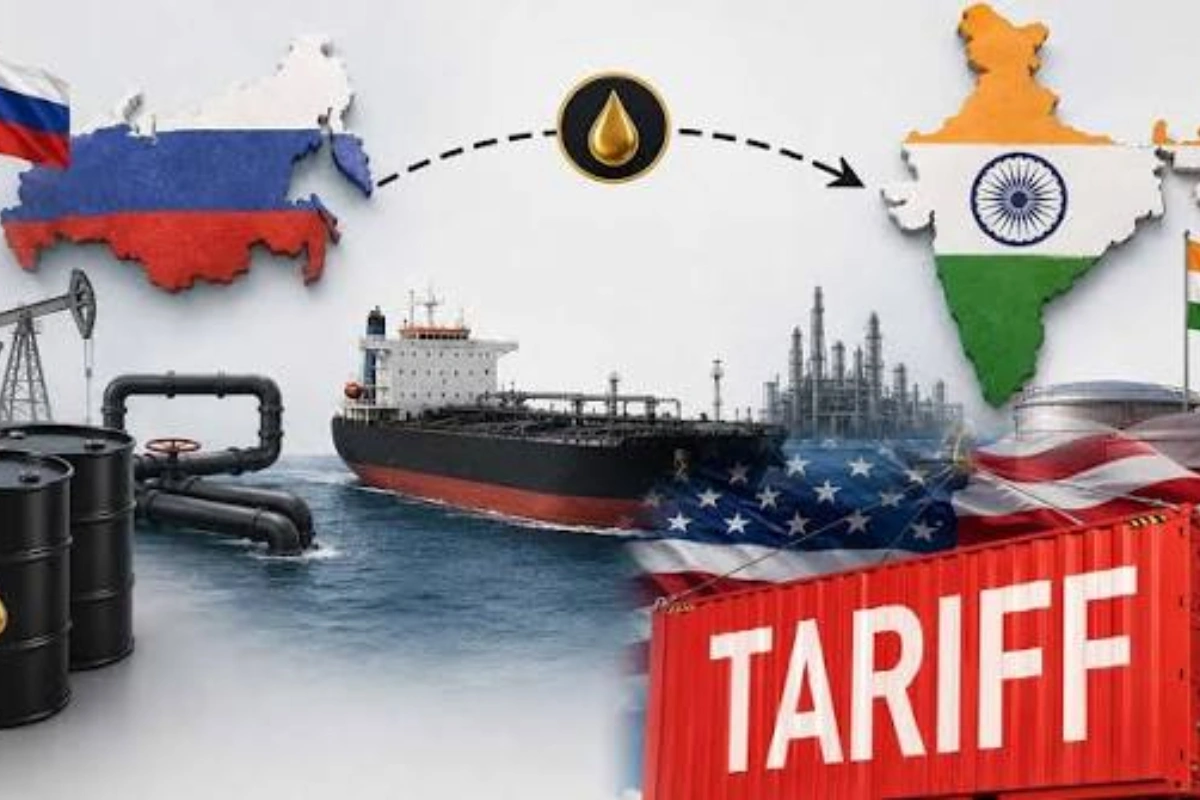
India’s import of Russian crude has attracted further attention following the approval of a bill by the US Senate that would impose a tariff of up to 100% on nations importing Russian energy resources. India is listed among the economies that would be affected by the proposed measure. However, the imposition of a 100% tariff on India has not yet been decided.
DON'T MISS
Will India Face a 100% Tariff?
The Senate bill sets a maximum tariff ceiling of 100%, but it does not require the US administration to impose the full rate on India. The actual tariff rate would be determined by the US Trade Representative. The legislation also gives the US President the option to issue a waiver under certain national-interest conditions. This means India could face higher tariffs if the measure becomes law and Washington decides to act, but there is currently no confirmation that India will be hit with a 100% tariff.
Why India’s Russian Oil Purchases Matter?
India has significantly increased its purchases of Russian crude in recent years, with energy security and competitive prices among the factors influencing its buying decisions. The US has previously criticised purchases of Russian energy as part of its broader efforts to pressure Moscow over the Ukraine war. India, however, has maintained that its energy imports are guided by national interests and energy security. The latest Senate vote could therefore add another layer of pressure to India-US trade negotiations.
What Happens Next?
The bill now moves to the US House of Representatives. If the House passes the legislation in the same form, it could then reach President Donald Trump for his signature. Even after that, the tariff rate would not necessarily be 100%. The US administration would have discretion over the rate, while the bill also provides a presidential waiver mechanism and requires reassessment every 180 days.


