

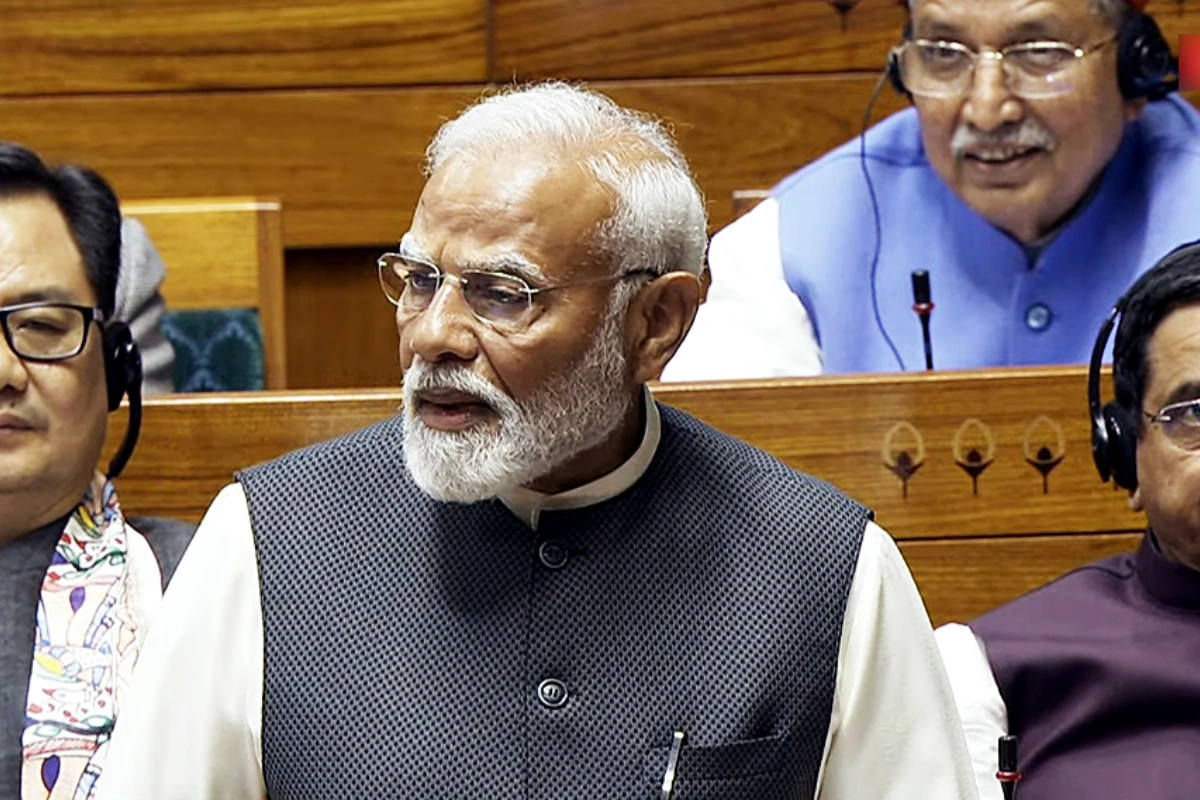
Prime Minister Narendra Modi on Friday inaugurated Seva Teerth, a newly built administrative complex designed to house key decision-making bodies of the central government, marking a major step in restructuring India’s governance infrastructure.
Unified administrative hub
The complex now accommodates the Prime Minister’s Office, the National Security Council Secretariat, and the Cabinet Secretariat, which were previously functioning from separate locations. Officials said bringing these institutions together is expected to improve coordination, streamline communication, and accelerate policy execution.
DON'T MISS
Government’s official statement on Seva Teerth
According to the government, the new buildings reflect “India’s administrative governance architecture” and underscore the Prime Minister’s commitment to building a modern, efficient, accessible, and citizen-centric governance ecosystem. Authorities emphasized that the integrated setup is intended to reduce bureaucratic delays and enhance institutional synergy.
Strategic significance
Administrative experts note that housing strategic decision-making bodies within a single complex can strengthen real-time coordination, particularly in areas involving national security, policy planning, and executive decision-making. Such structural integration is often seen in advanced governance systems globally.
Modern infrastructure focus
Officials highlighted that the complex has been designed with updated technological systems, secure communication facilities, and efficient workspace layouts aimed at improving productivity and operational efficiency within top government offices.
Next steps
Sources indicated that after the inauguration, work has already begun from the new premises, with senior officials initiating key administrative decisions and coordination meetings. The shift is expected to gradually redefine workflow processes across central government departments.
Governance outlook
Policy analysts say the Seva Teerth project signals a broader push toward institutional modernization and administrative consolidation. If implemented effectively, they believe it could strengthen governance responsiveness and enhance the efficiency of high-level decision-making in the years ahead.