

Pahalgam Terror Attack Anniversary: The first anniversary of the Pahalgam terror attack (April 22, 2025) is here. It marks more than just a tragic memory and instead also represents a turning point in the country’s diplomatic, strategic and economic approach towards Pakistan. Many in the political circles strongly believe that the Pahalgam terror attack completely redefined India’s Pakistan Policy forever.
Pahalgam Terror Attack Anniversary-Turn Of Events
The terror attack killed 26 innocent civilians, including 25 Hindus (24 Indians and 1 Nepali) and 1 Muslim tour guide. Hindu women were deliberately let off and told to let Indian Prime Minister Narendra Modi about the attack. The terror attack’s victims were segregated based on religion before they were brutally shot down by Pakistani terrorists.
Operation Sindoor: A New Military Doctrine
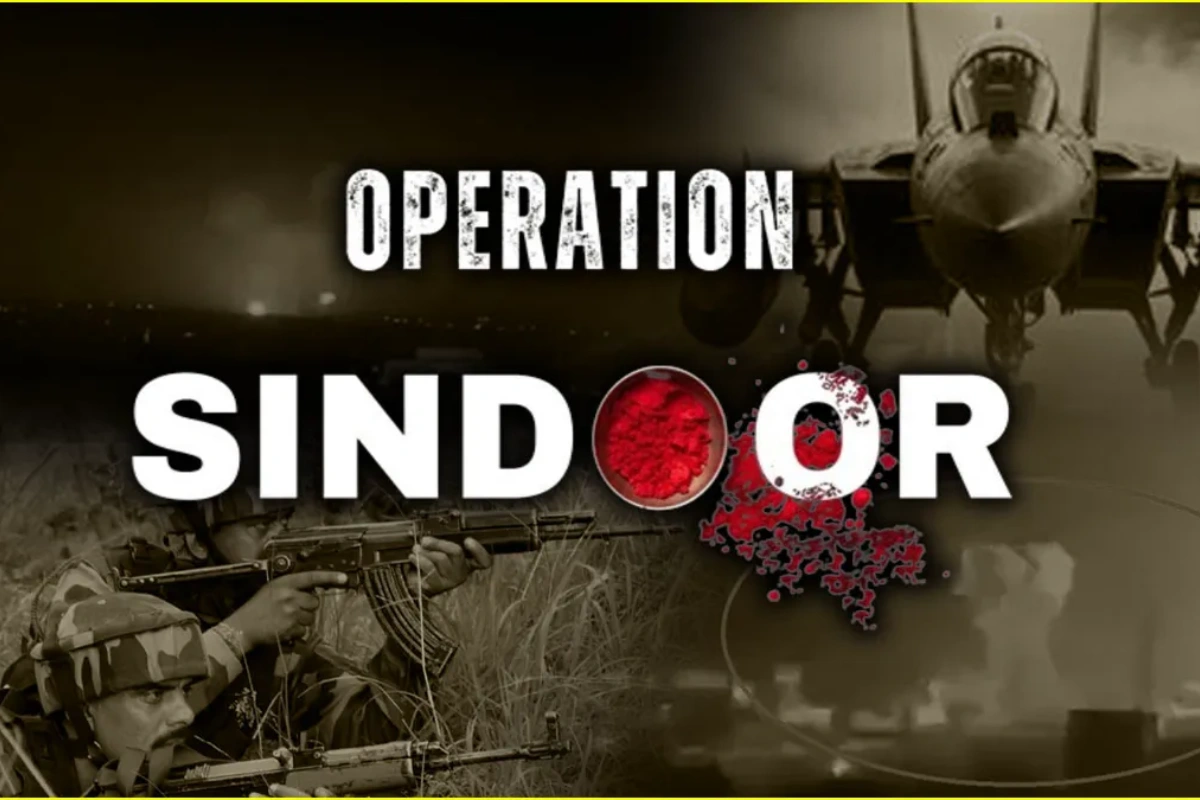
At the heart of India’s response to the Pahalgam massacre was Operation Sindoor that was launched on May 7, 2025. Unlike all previous retaliatory strikes, the operation marked a transition toward scale, precision and strategic messaging.
DON'T MISS
Indian armed forces conducted a series of targeted attacks on 9 terror camps across Pakistan and Pakistan-occupied Kashmir. Operation Sindoor resulted in the death of more than 100 terrorists and operatives linked to major groups like Jaish-e-Mohammed and Lashkar-e-Taiba.
For India-Pakistan relationships, Operation Sindoor established a new red line where Pakistan has been told clearly and loudly that any terror attack would invite direct cross-border retaliation from India. The doctrine moved beyond the earlier strategic restraint of India and introduced a policy of the country’s assured punitive response.
Indus Waters Cutoff: Weaponizing Water Diplomacy
After the Pahalgam massacre, India decided to suspend the Indus Waters Treaty, an agreement that survived since 1960s. A lifeline for Pakistan’s agriculture, the Indus river system used to support nearly 80 percent of its irrigated land. The Indian move increased water insecurity risks for agriculture, investor concerns over long-term resource stability and potential rise in food inflation and rural distress.
Trade And Cricket Ties Cut
India also initiated a series of steps to cut all forms of economic and cultural engagement. All forms of bilateral trade have been suspended, cricket ties excluding those ICC-sanctioned have been cut off and stringent visa restrictions and border closures followed, reducing people-to-people contact.
FATF Grey List Pressure And Financial Isolation
Although Pakistan had previously faced scrutiny from the Financial Action Task Force (FATF), the Pahalgam attack reinforced global narratives around terror financing. India utilized a series of diplomatic channels to highlight the alleged role of Pakistan, increasing pressure on international watchdogs and partners.
This helps in limiting foreign investment inflows for Pakistan, raising its borrowing costs from institutions like the IMF and World Bank and damaging the country’s already-tarnished global financial credibility.
One year later, the message is clear: India’s Pakistan policy is no longer about managing conflict; it is about imposing heavy and unbearable costs on the terror state of Pakistan.


